Australian Cattle Dog vs Belgian Laekenois
Side-by-side comparison across all 14 AKC trait ratings, with a clear verdict on which breed fits which kind of household.
Not sure which breed fits your life?
Answer five questions about your home, your schedule, and your tolerance for shedding. We’ll match you to your top three breeds from over 200.
Australian Cattle Dog vs Belgian Laekenois
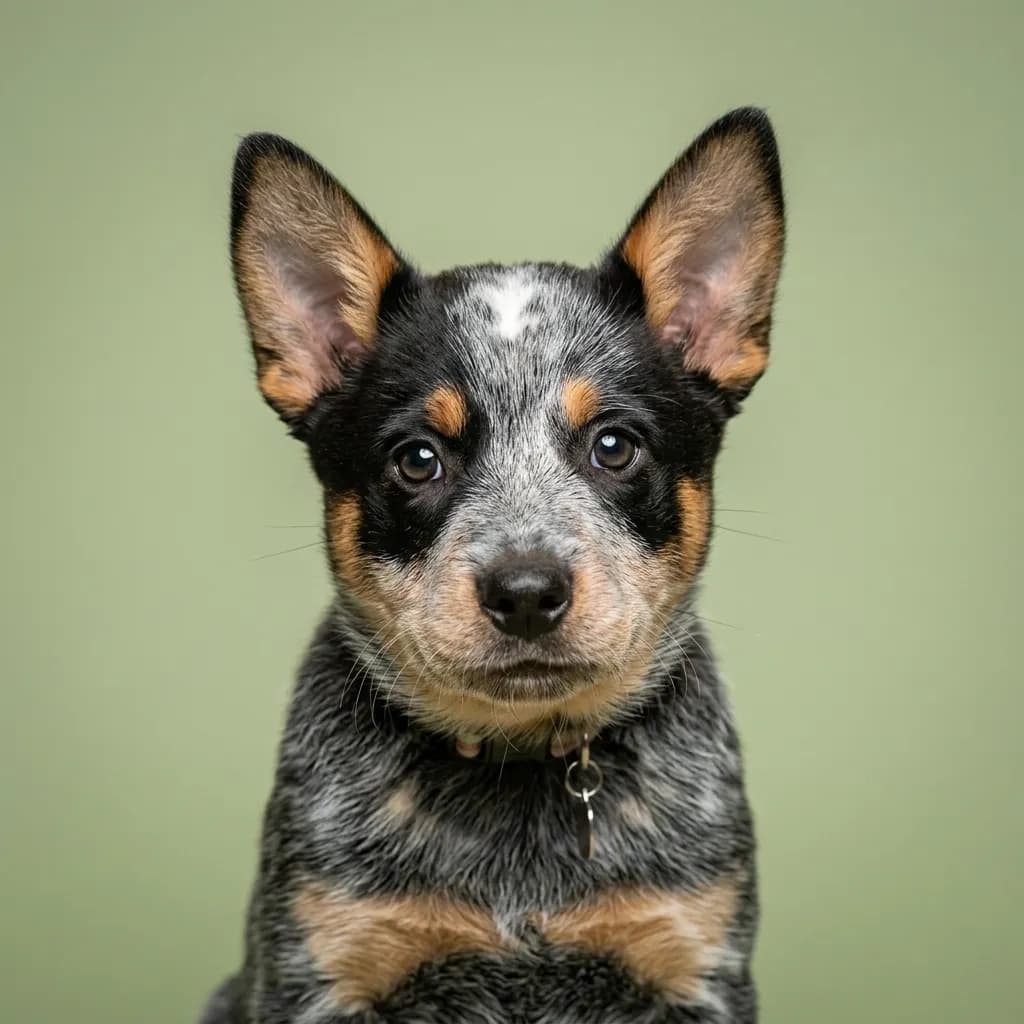
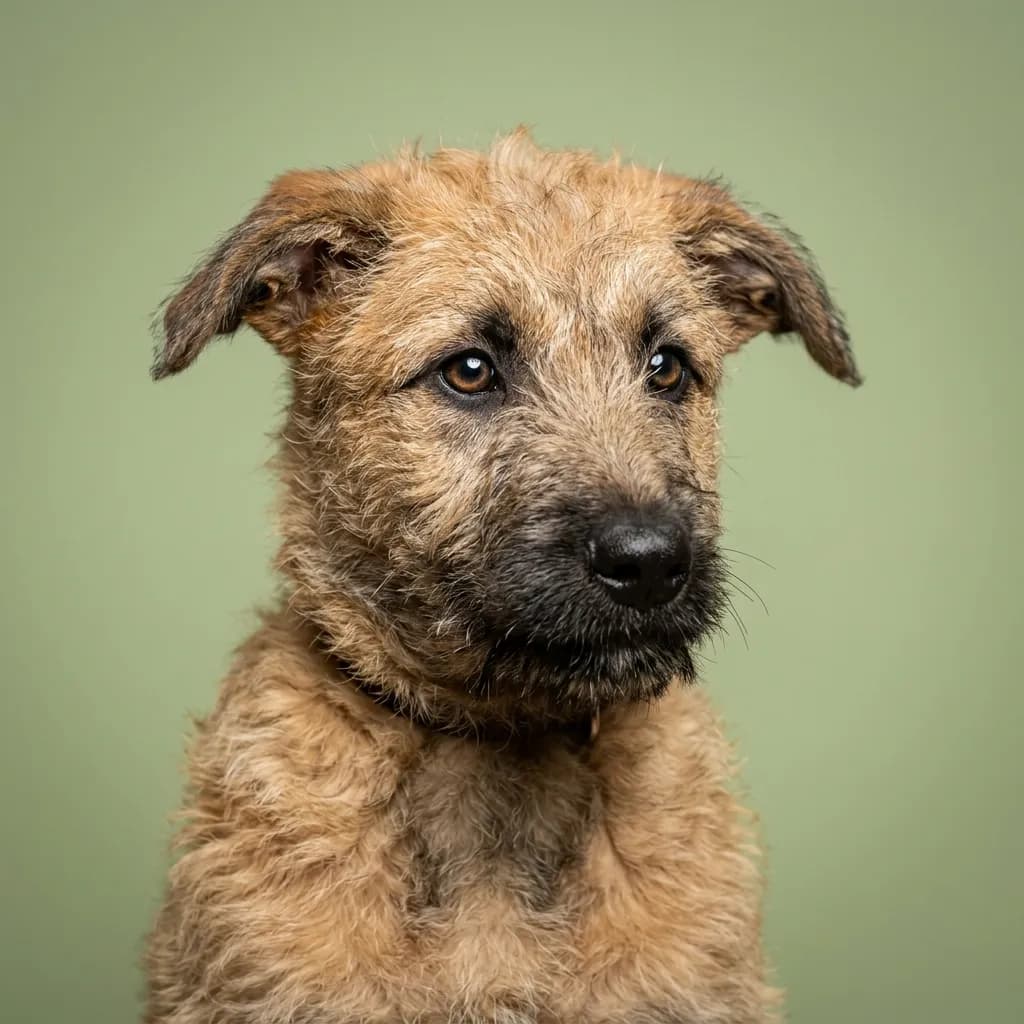
People compare Australian Cattle Dogs and Belgian Laekenois because both are high-drive herding breeds that thrive on work and structure. They’re not casual pets. You’ll only see them side by side in discussions among dog folks who already know they need a project, not just a companion. The real difference comes down to rhythm and role. The Cattle Dog is a relentless engine, bred to push cattle across scorched Australian plains for hours without a break. It’s lean, intense, and slightly reserved, with a mind that never shuts off. You’ll need to match its energy with dog sports or serious hiking. It bonds deeply but on its terms. affection is earned, not given freely. It’s the dog that will outlast you on a trail and still want more. The Laekenois, rarer and rougher in coat, was herding sheep and guarding laundry in Belgium. yes, really. That quirky history shaped a dog that’s slightly more versatile in temperament. It’s still no couch potato, but it craves closeness more than the Cattle Dog. It’s more vocal, more openly attached, and slightly taller and heavier at 55 to 65 pounds. Where the Cattle Dog is a focused soloist, the Laekenois wants to be part of your life, not just your schedule. If you’re choosing, ask yourself: do you want a partner that challenges you every day (Cattle Dog), or one that leans on you and demands emotional reciprocity (Laekenois)? Both need experienced hands, but the Laekenois will cost more. both in price and grooming. And here’s the real talk: neither will forgive a boring life. Pick either, and you’re committing to a decade and a half of motion.
Trait-by-trait
Higher bar = more of that trait. Shedding, barking, drooling, grooming flipped for readability.Where they diverge
Choose the Australian Cattle Dog if…
- Active people
- Outdoor enthusiasts
- Experienced owners
- You value energy level — Australian Cattle Dog scores noticeably higher.
Choose the Belgian Laekenois if…
- Experienced owners
- Active people
- Working roles
- You value barking level — Belgian Laekenois scores higher here.