Australian Cattle Dog vs Belgian Malinois
Side-by-side comparison across all 14 AKC trait ratings, with a clear verdict on which breed fits which kind of household.
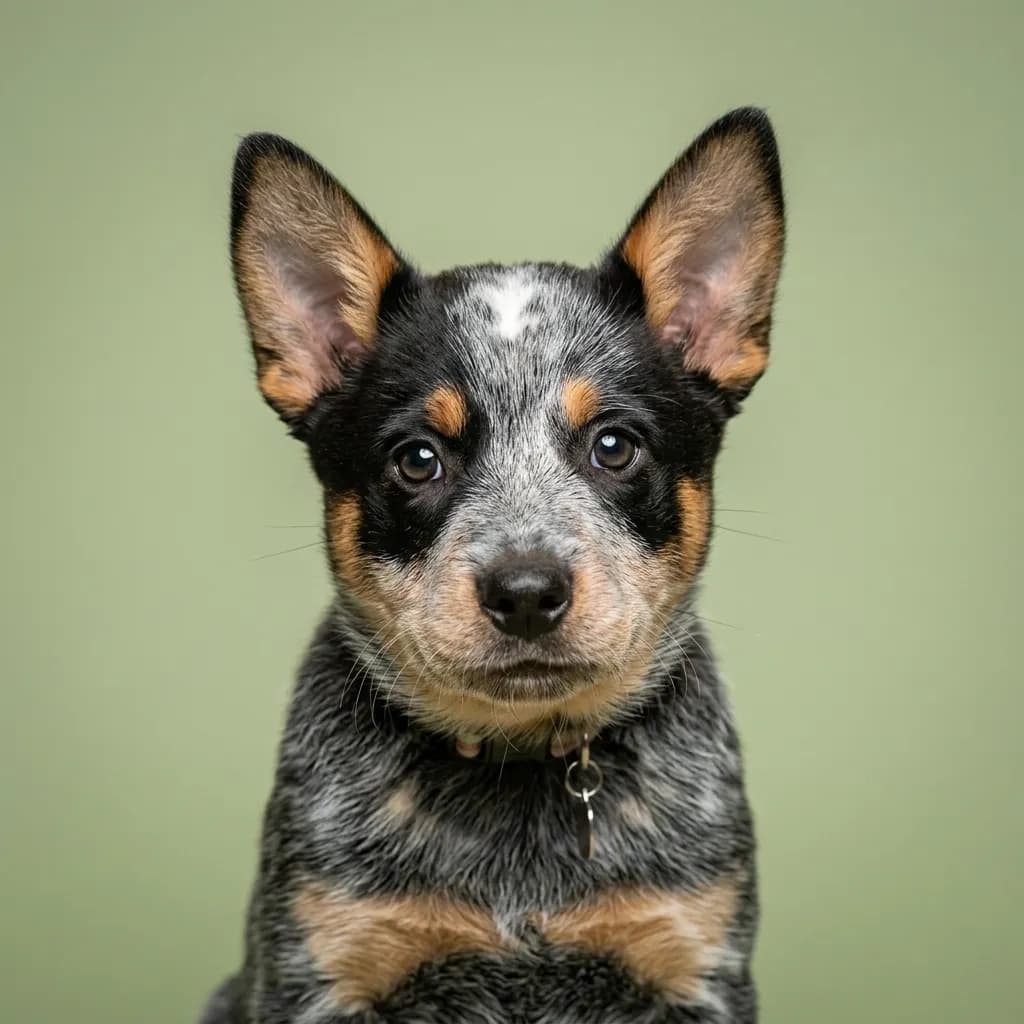
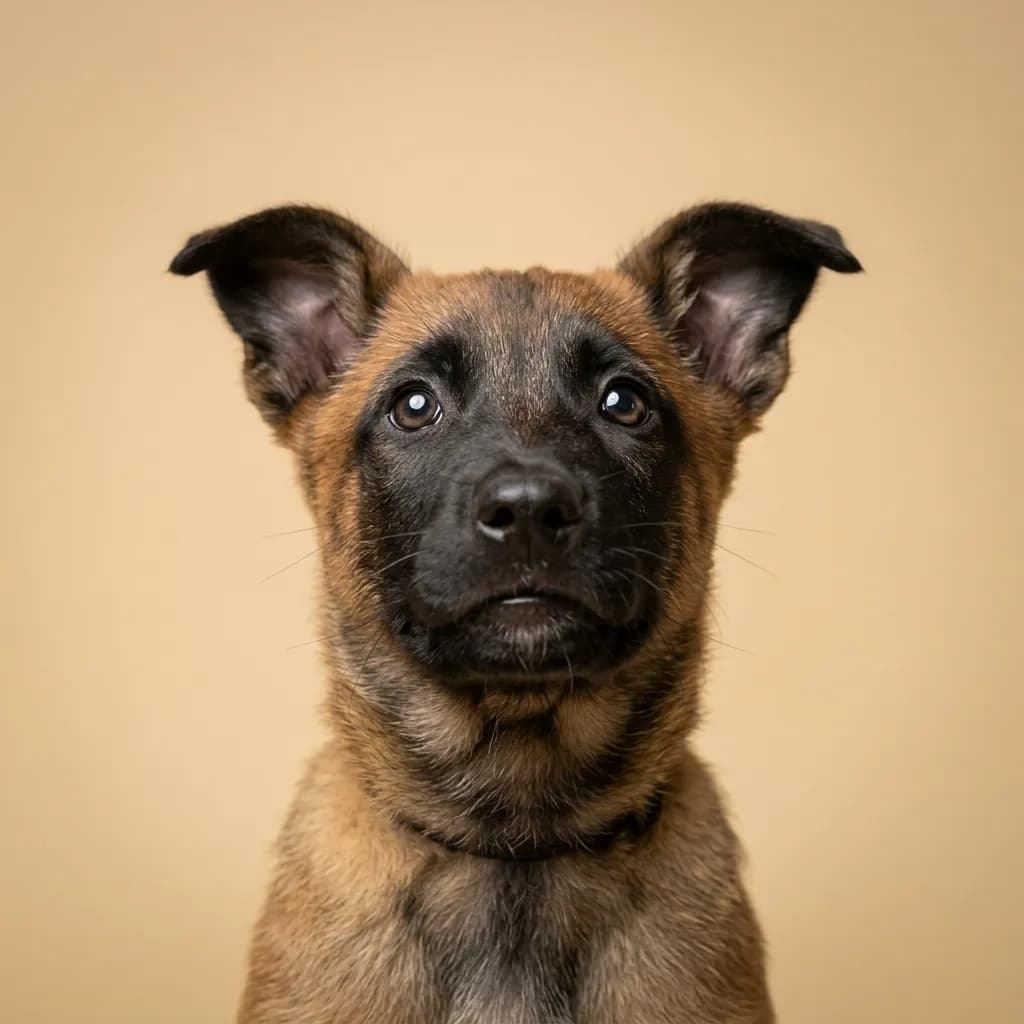
Not sure which breed fits your life?
Answer five questions about your home, your schedule, and your tolerance for shedding. We’ll match you to your top three breeds from over 200.
Australian Cattle Dog vs Belgian Malinois
You’re comparing an Australian Cattle Dog and a Belgian Malinois because they both look like they could run a marathon, herding invisible sheep through your backyard, and you want a dog that’s sharp, driven, and always “on.” On paper, they’re cut from the same high-performance cloth. both bred to work all day, think independently, and bond fiercely with their person. But beneath the surface, they’re wired differently. The Cattle Dog is your rugged trail partner. Compact, tough as nails, and slightly less intense, this breed thrives on a rhythm of physical and mental challenges. They’re curious and pleasant, but don’t mistake that for chill. they’ve got a furnace inside. They’ll hike 10 miles, then focus on a puzzle toy like it’s their job. They’re less prone to bark than you’d think, but they’re not great with young kids and absolutely will nip at heels just for fun. The Malinois is next-level. Bigger, taller, and built like a canine athlete on a mission, they’re the breed police and military snatch from breeders. Their trainability is off the charts. they want to work, now, always. They’re confident to the point of boldness and need a handler, not just an owner. They’ll bark more, need more space, and demand more structure. Here’s the real talk: if you’re active but want a dog that can wind down after a long day, the Cattle Dog might surprise you with their loyalty and slightly softer edge. But if you’re ready for a 24/7 training project that lives for purpose, the Malinois will give you everything. provided you can keep up. Choose the Cattle Dog if you want a partner. Choose the Malinois if you’re ready to lead a warrior.
Trait-by-trait
Higher bar = more of that trait. Shedding, barking, drooling, grooming flipped for readability.Where they diverge
Choose the Australian Cattle Dog if…
- Active people
- Outdoor enthusiasts
- Experienced owners
- You value energy level — Australian Cattle Dog scores noticeably higher.
Choose the Belgian Malinois if…
- Experienced owners
- Active people
- Working roles (police/military)
- You value barking level — Belgian Malinois scores higher here.