Australian Cattle Dog vs Doberman Pinscher
Side-by-side comparison across all 14 AKC trait ratings, with a clear verdict on which breed fits which kind of household.
Not sure which breed fits your life?
Answer five questions about your home, your schedule, and your tolerance for shedding. We’ll match you to your top three breeds from over 200.
Australian Cattle Dog vs Doberman Pinscher
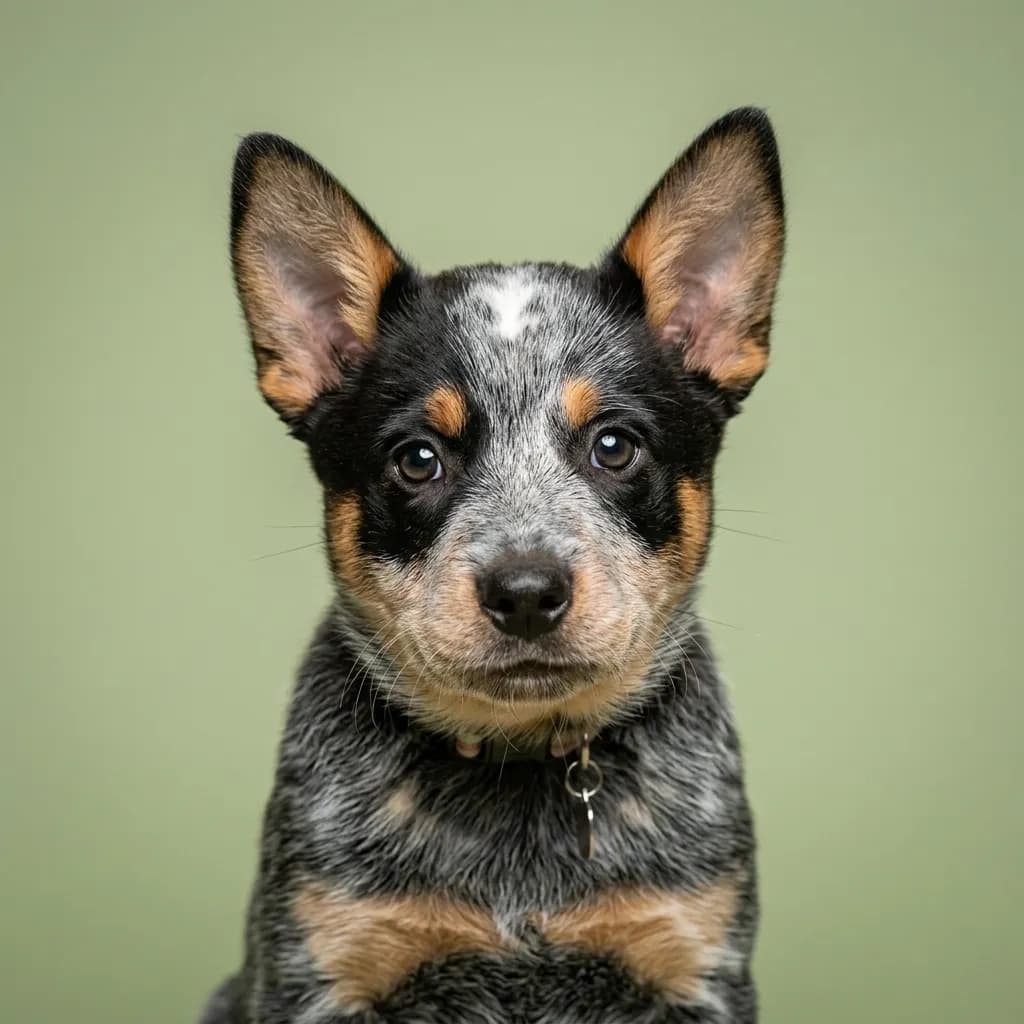
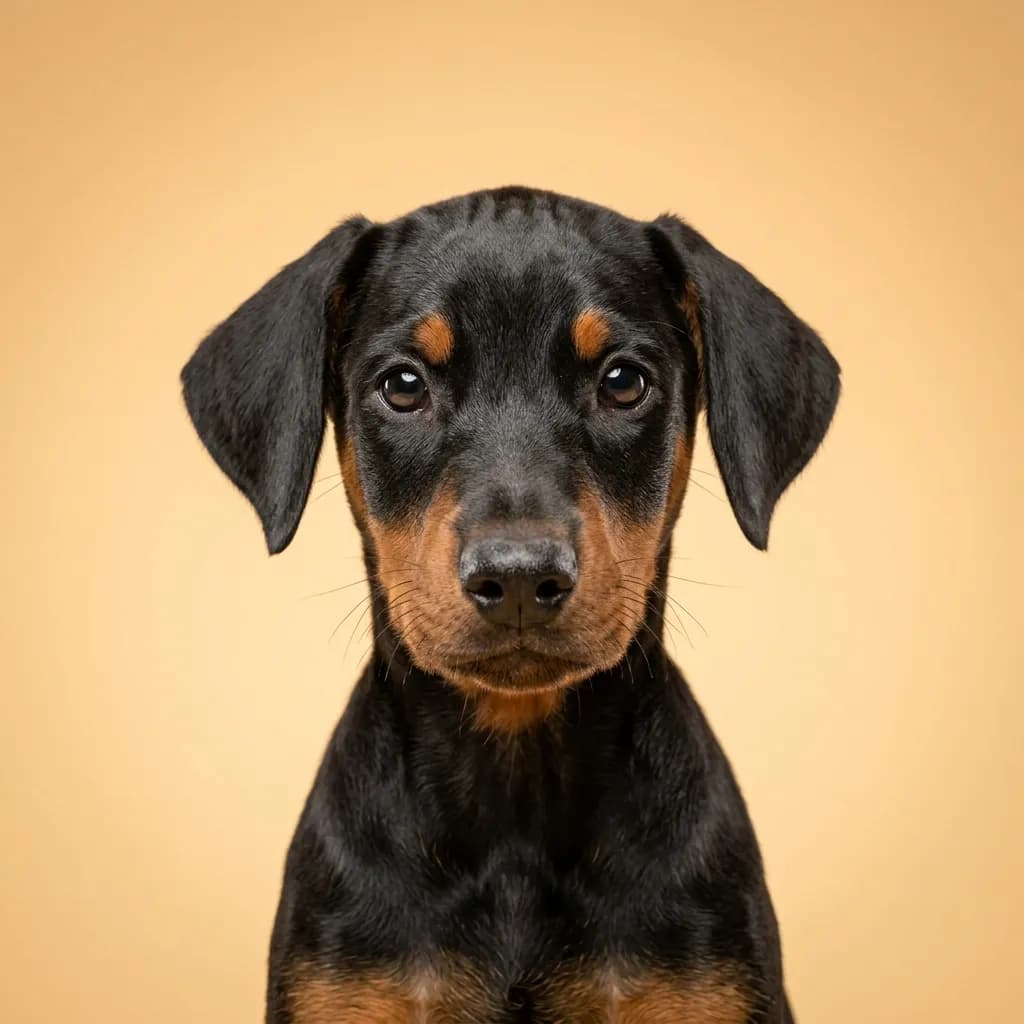
People toss the Australian Cattle Dog and Doberman Pinscher into the same ring because they’re both high-energy, smart, and protective. but that’s where the similarity ends. Think of it like comparing a pickup truck built for rugged terrain to a sports sedan tuned for speed and presence. Same purpose, totally different ride. The Blue Heeler is a coiled spring of endurance, bred to work all day in the Australian outback. They’re lean, tough, and laser-focused on tasks, but that intensity means they need a job. whether it’s agility, hiking, or advanced obedience. They’re not overly vocal, which surprises people, but they bond tightly with one or two people and can be reserved with kids and strangers. You want a partner in your outdoor adventures, not a cuddle puddle on the couch. The Doberman, meanwhile, is power with polish. Bred as a guardian, they’re deeply loyal, surprisingly gentle with family, and thrive on structure. They’re more adaptable to suburban life than you’d think. but only if you’re moving with them. A bored Doberman is a destructive Doberman. They want to be close, they want to protect, and they need consistent training from someone who understands dog psychology. Here’s the real talk: the Heeler will outlive the Doberman by several years, but the Doberman will win you over with devotion that feels personal, almost intuitive. If you’re active and want a sharp, independent thinker, go Heeler. If you want a devoted family guardian who’s always watching your back and don’t mind the higher vet costs and shorter timeline, the Doberman’s your match. Just know. neither will let you slack off.
Trait-by-trait
Higher bar = more of that trait. Shedding, barking, drooling, grooming flipped for readability.Where they diverge
Choose the Australian Cattle Dog if…
- Active people
- Outdoor enthusiasts
- Experienced owners
Choose the Doberman Pinscher if…
- Experienced dog owners
- Active families
- Homes with a yard
- You value affectionate w/ family — Doberman Pinscher scores higher here.