Australian Cattle Dog vs Great Pyrenees
Side-by-side comparison across all 14 AKC trait ratings, with a clear verdict on which breed fits which kind of household.
Not sure which breed fits your life?
Answer five questions about your home, your schedule, and your tolerance for shedding. We’ll match you to your top three breeds from over 200.
Australian Cattle Dog vs Great Pyrenees
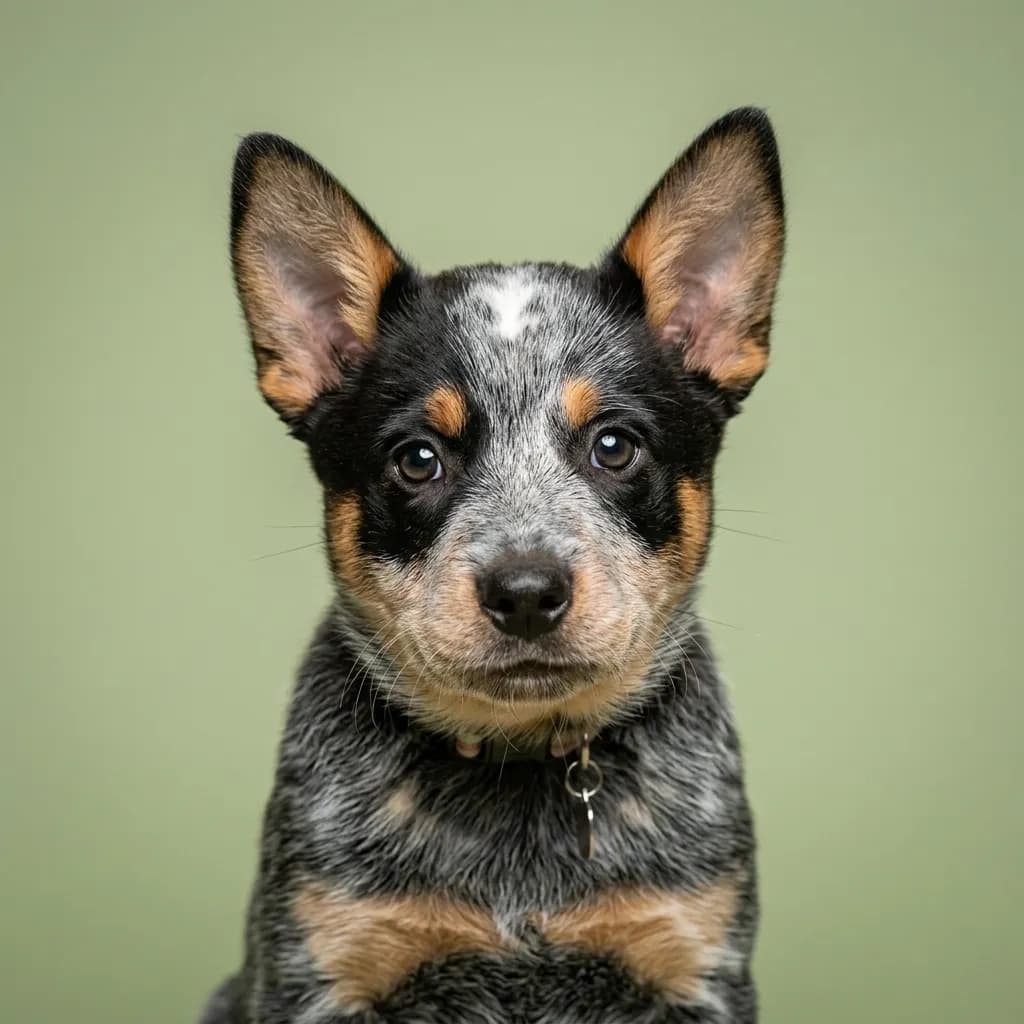
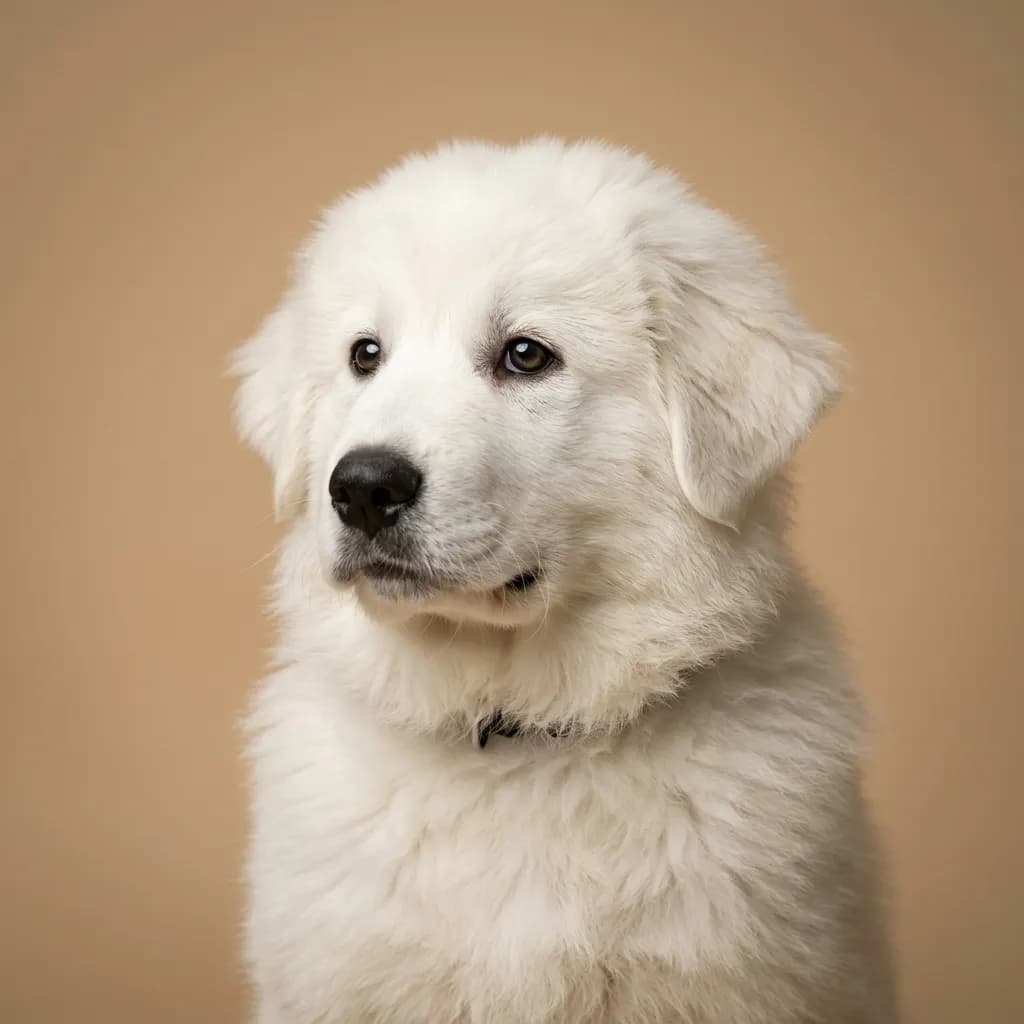
You’re not really comparing these two breeds unless you’ve stood in a wide-open field, wind in your face, trying to picture your life with either a tireless cattle dog at your heels or a massive white mountain of fur standing guard. People lump them together because both are working dogs with strong instincts, but that’s where the similarity ends. One was built to move, the other to hold ground. The Australian Cattle Dog is all coiled energy and focus. This is the dog that will outlast you on a 15-mile hike, then want to play frisbee. He’s sharp as a tack, learns fast, and thrives on tasks. But he’s not a cuddle puddle. He’ll bond deeply with one or two people and stay politely aloof with kids and strangers. If you’re inactive or live in a condo, this dog will turn your life into a chewed-up, bored-out mess. The Great Pyrenees, meanwhile, is a gentle giant with the soul of a night watchman. He’s calm in the house, deeply affectionate with family, and will lie sentinel for hours, scanning the horizon. Bred to make independent decisions with sheep, he’s not the most obedient dog. Forget off-leash reliability. And yes, you’ll be brushing tumbleweeds of white fur year-round. The real insight? The Cattle Dog needs a job, yes. But the Pyrenees needs space. physical and mental. He’s not lazy, he’s deliberate. Confinement stresses him in ways you can’t see until he starts barking at shadows at 2 a.m. Choose the Cattle Dog if you want a partner in motion. Choose the Pyrenees if you want a guardian who becomes part of the land. Just make sure your lifestyle matches his soul.
Trait-by-trait
Higher bar = more of that trait. Shedding, barking, drooling, grooming flipped for readability.Where they diverge
Choose the Australian Cattle Dog if…
- Active people
- Outdoor enthusiasts
- Experienced owners
- You value energy level — Australian Cattle Dog scores noticeably higher.
Choose the Great Pyrenees if…
- Livestock guardians
- Rural or farm living
- Families with children
- You value affectionate w/ family — Great Pyrenees scores higher here.