Australian Cattle Dog vs Harrier
Side-by-side comparison across all 14 AKC trait ratings, with a clear verdict on which breed fits which kind of household.
Not sure which breed fits your life?
Answer five questions about your home, your schedule, and your tolerance for shedding. We’ll match you to your top three breeds from over 200.
Australian Cattle Dog vs Harrier
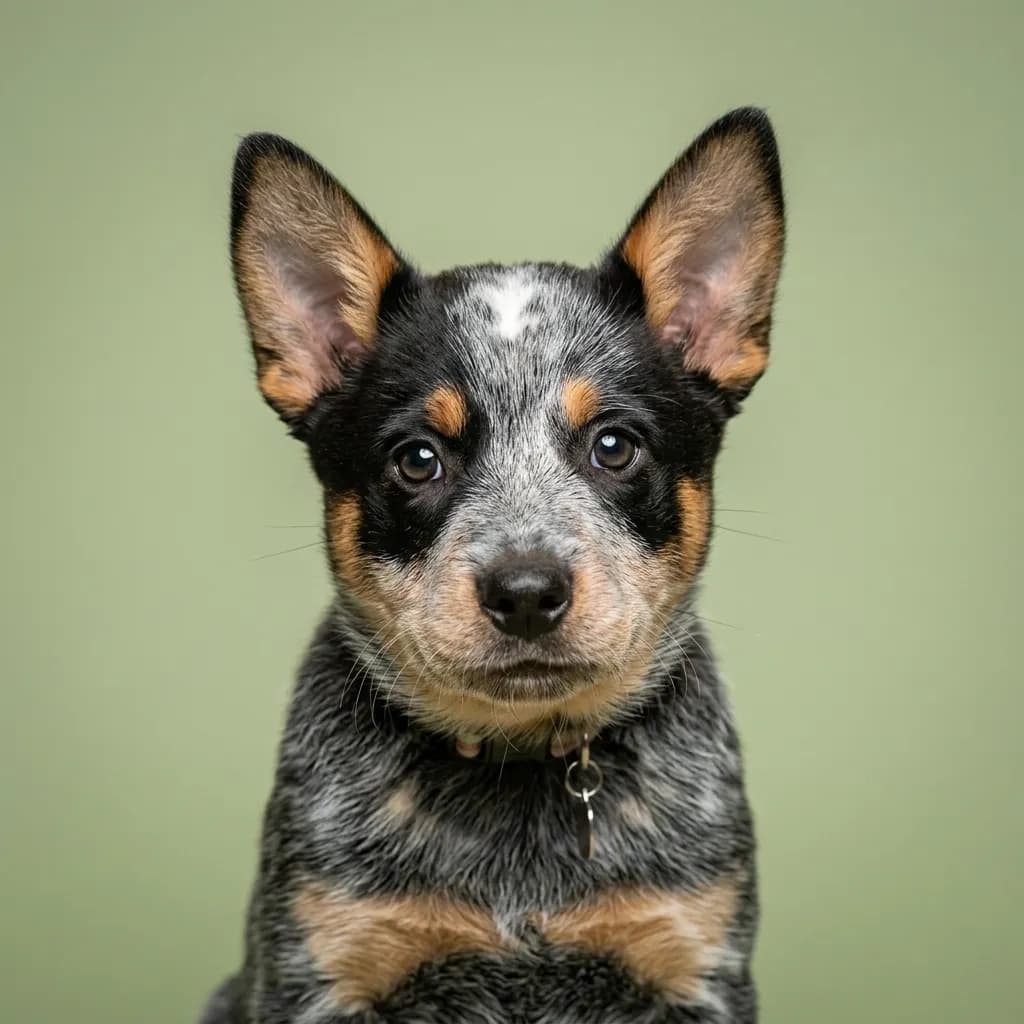
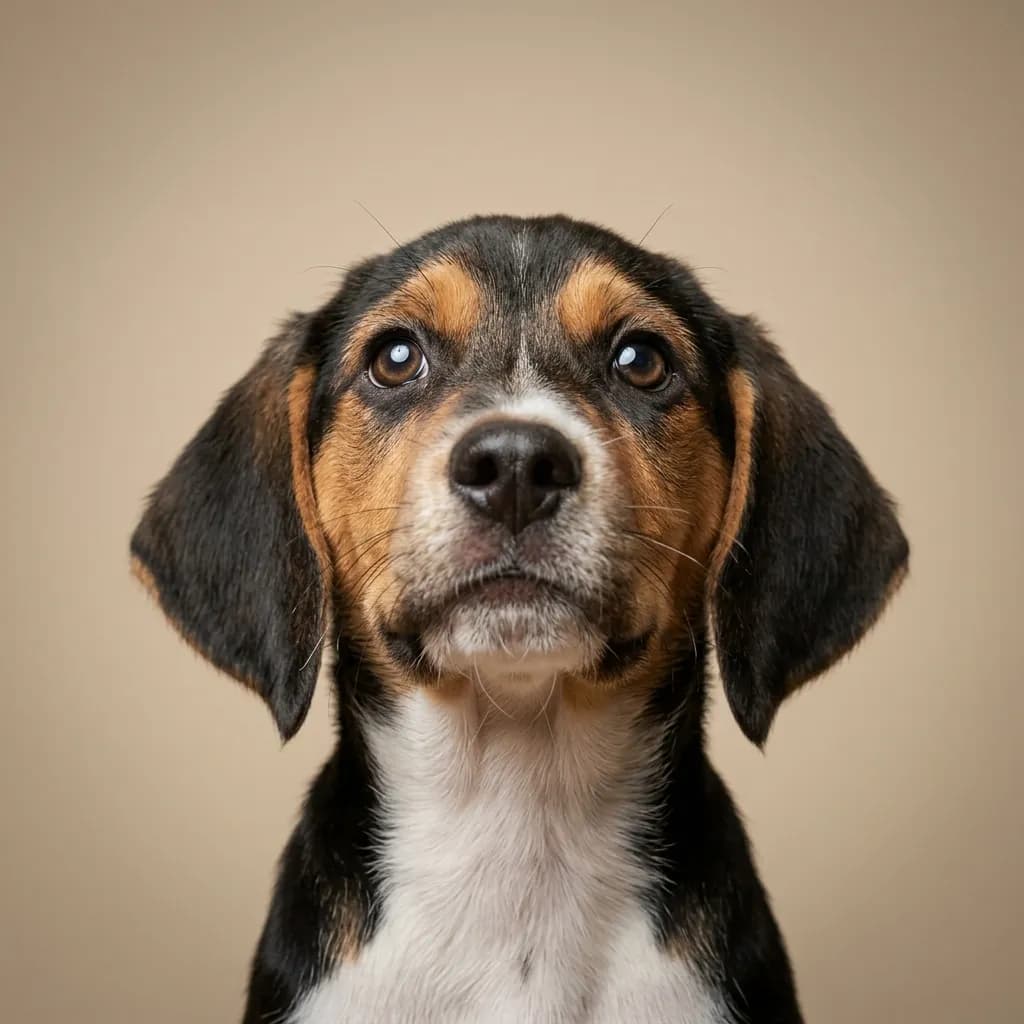
People compare Australian Cattle Dogs and Harriers because they’re both medium-sized, active dogs with short coats and an appetite for movement. On paper, they even weigh about the same and thrive with people who spend time outdoors. But that’s where the real similarities end. These dogs come from wildly different jobs, and that shapes everything about how they live with you. The Cattle Dog was forged in the Australian outback, nipping at the heels of stubborn cattle across endless miles. That means intense focus, a need for mental puzzles, and a loyalty that borders on obsessive. but with reserve around strangers and kids under supervision. They’re smart enough to out-think you and energetic enough to outlast you. If you’re into agility, hiking, or just have a farm to manage, they’ll match your grind. But if you’re looking for a casual couch buddy, this isn’t it. The Harrier, on the other hand, was bred to run in packs through the English countryside, baying while chasing hare. They’re social, loud, and deeply motivated by scent. Their affection is easy and broad. not selective like the Cattle Dog’s. They get along with kids, strangers, and other dogs without a second thought. But that voice? It’s constant. And once they catch a whiff of something interesting, good luck calling them back. Here’s the real talk: if you want a dog that partners with you like a co-pilot, the Cattle Dog will astonish you. If you want a dog that’s part of the family party, always eager and always friendly, the Harrier will win your heart. But neither will tolerate boredom. Choose based on whether you want a focused worker or a joyful hunter at your side.
Trait-by-trait
Higher bar = more of that trait. Shedding, barking, drooling, grooming flipped for readability.Where they diverge
Choose the Australian Cattle Dog if…
- Active people
- Outdoor enthusiasts
- Experienced owners
- You value watchdog / protective — Australian Cattle Dog scores noticeably higher.
Choose the Harrier if…
- Active families
- Hunters
- Rural living
- You value barking level — Harrier scores higher here.