Australian Cattle Dog vs Irish Setter
Side-by-side comparison across all 14 AKC trait ratings, with a clear verdict on which breed fits which kind of household.
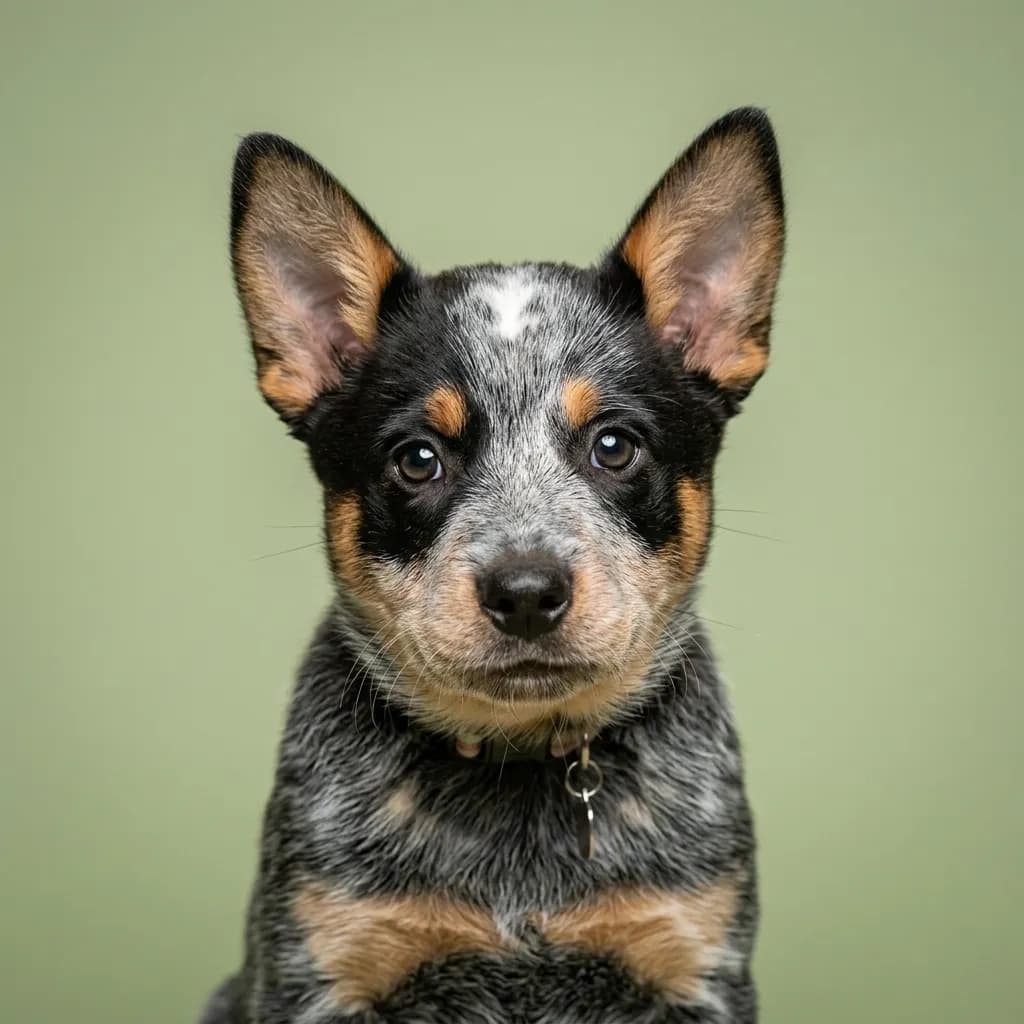
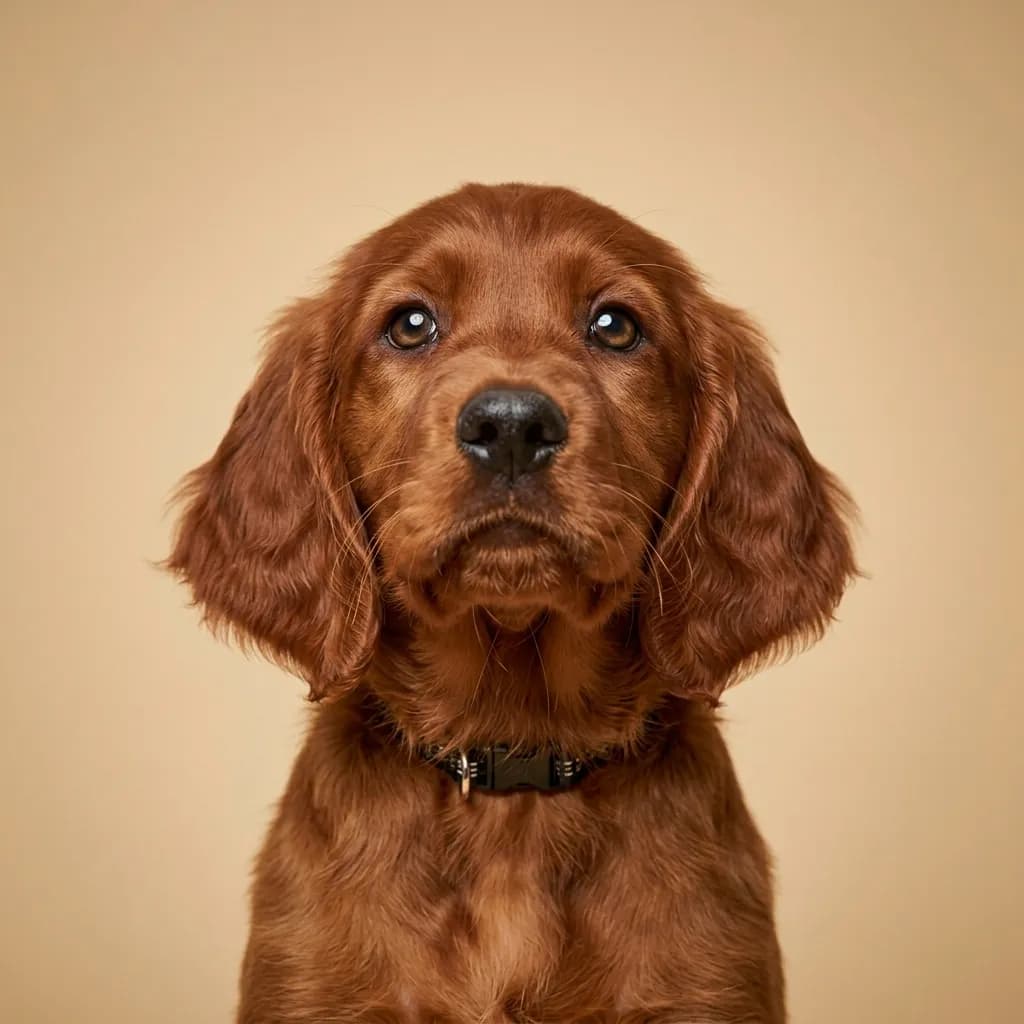
Not sure which breed fits your life?
Answer five questions about your home, your schedule, and your tolerance for shedding. We’ll match you to your top three breeds from over 200.
Australian Cattle Dog vs Irish Setter
People compare Australian Cattle Dogs and Irish Setters because both are high-energy, intelligent breeds that thrive on activity and connection. but that’s where the similarities end. If you’re torn between them, you’re really asking: do I want a laser-focused partner or a joyful free spirit? The Cattle Dog is the working machine. Bred to move stubborn cattle across 100-degree Australian ranges, this dog lives to work. It’s alert, intense, and deeply loyal to its person. You’ll need time for not just physical exercise but mental puzzles, training drills, and purpose. They’re not naturally cuddly, and their reservedness with strangers can be mistaken for aloofness. Kids aren’t their default audience. they tolerate them if raised together, but they won’t seek them out. First-time owners often get overwhelmed by their focus and need for structure. The Irish Setter, on the other hand, is pure enthusiasm in feathered red coat. Bred to range fields and point game, they’re built for motion and beauty. They’re deeply affectionate, love everyone, and will happily sprawl across your lap after a long run. Their energy is more exuberant than obsessive, and they adapt better to family life, even around young kids. Yes, they need miles every day, but they’re more forgiving if you miss a hike. They bark more, shed more, and demand more grooming. but they give back in affection. Here’s the real difference: a Cattle Dog will change how you live. An Irish Setter will join your life as it is. Pick the Cattle Dog if you want a co-pilot. Pick the Setter if you want a wingman.
Trait-by-trait
Higher bar = more of that trait. Shedding, barking, drooling, grooming flipped for readability.Where they diverge
Choose the Australian Cattle Dog if…
- Active people
- Outdoor enthusiasts
- Experienced owners
- You value watchdog / protective — Australian Cattle Dog scores noticeably higher.
Choose the Irish Setter if…
- Active families
- Hunters
- Outdoors enthusiasts
- You value affectionate w/ family — Irish Setter scores higher here.