Australian Cattle Dog vs Keeshond
Side-by-side comparison across all 14 AKC trait ratings, with a clear verdict on which breed fits which kind of household.
Not sure which breed fits your life?
Answer five questions about your home, your schedule, and your tolerance for shedding. We’ll match you to your top three breeds from over 200.
Australian Cattle Dog vs Keeshond
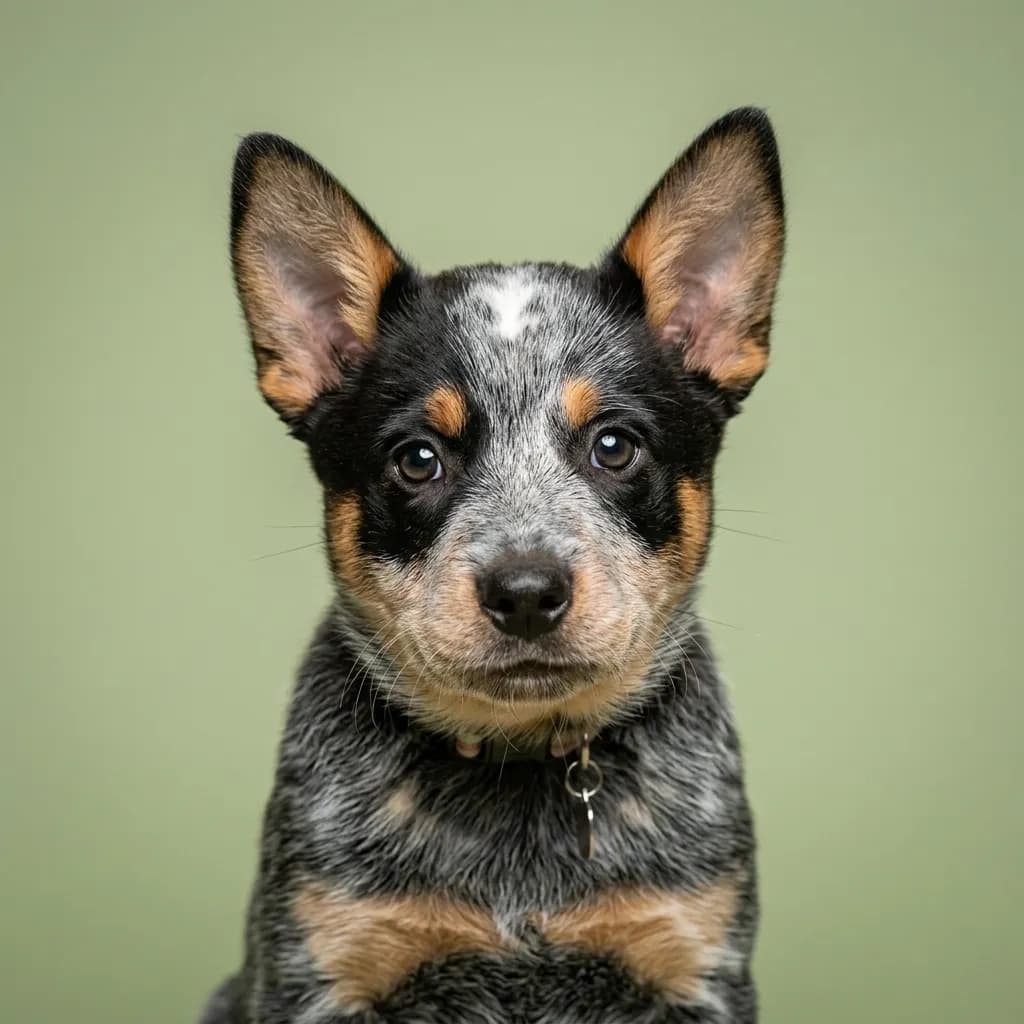
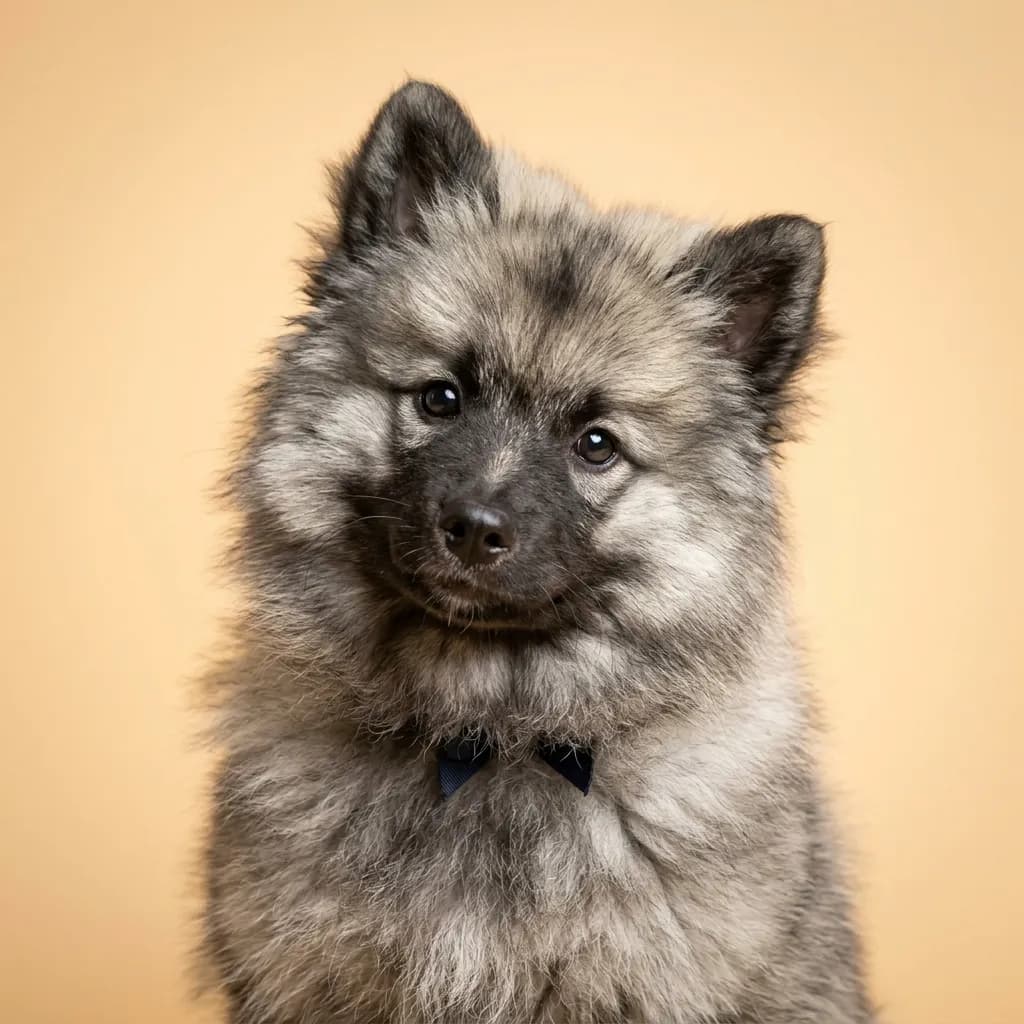
You’re not comparing these two because they look anything alike. You’re here because you want a mid-sized dog with a big personality and you’ve landed on a high-octane ranch hand versus a fluffy Dutch diplomat. The Australian Cattle Dog and the Keeshond couldn’t be more different in purpose, even if they’re close in size. The Cattle Dog is all business. Bred to drive stubborn livestock across scorched Australian ranges, this dog lives for challenge. It’s got the energy of a squirrel on espresso and the focus of a sniper. You don’t just walk this dog, you work it. Without serious physical and mental demands, it will rearrange your garden, chew your baseboards, or invent new ways to stress you out. It’s loyal, but not overly cuddly, and it’s not impressed by kids. some tolerate them, many don’t. This isn’t a first dog. It’s a third dog, for someone who hikes, runs, or trains for agility on weekends. The Keeshond is the neighbor who knows everyone on the block. Fluffy, expressive, and always up for a chat, it thrives on connection. It barks. at mail carriers, squirrels, the wind. and it wants to be involved in everything. Unlike the Cattle Dog’s laser focus, the Keeshond spreads its affection evenly across the household. It adapts to apartments or houses, loves cold weather, and is genuinely sweet with children. But that glorious coat sheds year-round and demands weekly brushing. Here’s the real difference: the Cattle Dog needs a job, the Keeshond needs a family. Pick the first if you want a canine athlete who’ll keep up with your ultra-trails. Pick the Keeshond if you want a furry therapist with a bark and a smile. One keeps cattle in line, the other keeps your heart in check.
Trait-by-trait
Higher bar = more of that trait. Shedding, barking, drooling, grooming flipped for readability.Where they diverge
Choose the Australian Cattle Dog if…
- Active people
- Outdoor enthusiasts
- Experienced owners
- You value energy level — Australian Cattle Dog scores noticeably higher.
Choose the Keeshond if…
- Families with children
- Active owners
- Cold climates
- You value barking level — Keeshond scores higher here.