Australian Cattle Dog vs Mudi
Side-by-side comparison across all 14 AKC trait ratings, with a clear verdict on which breed fits which kind of household.
Not sure which breed fits your life?
Answer five questions about your home, your schedule, and your tolerance for shedding. We’ll match you to your top three breeds from over 200.
Australian Cattle Dog vs Mudi
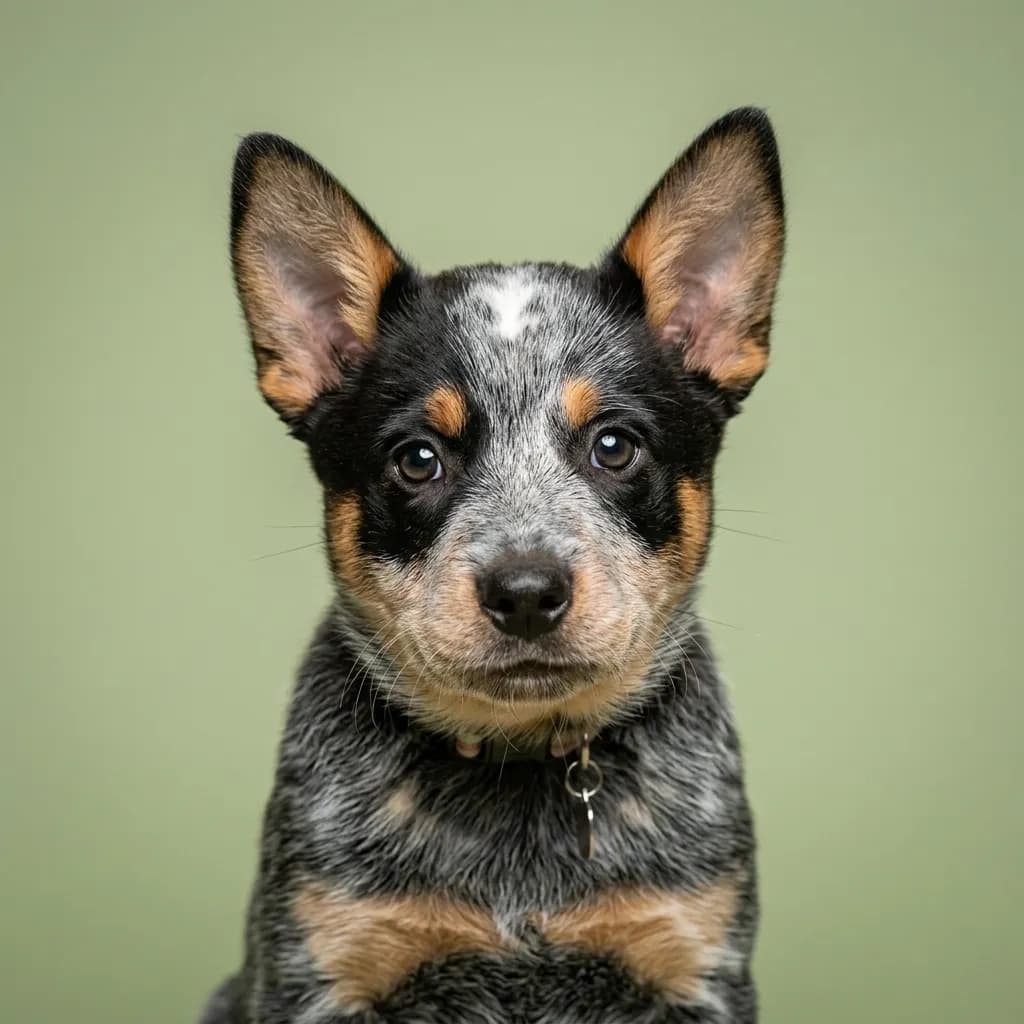
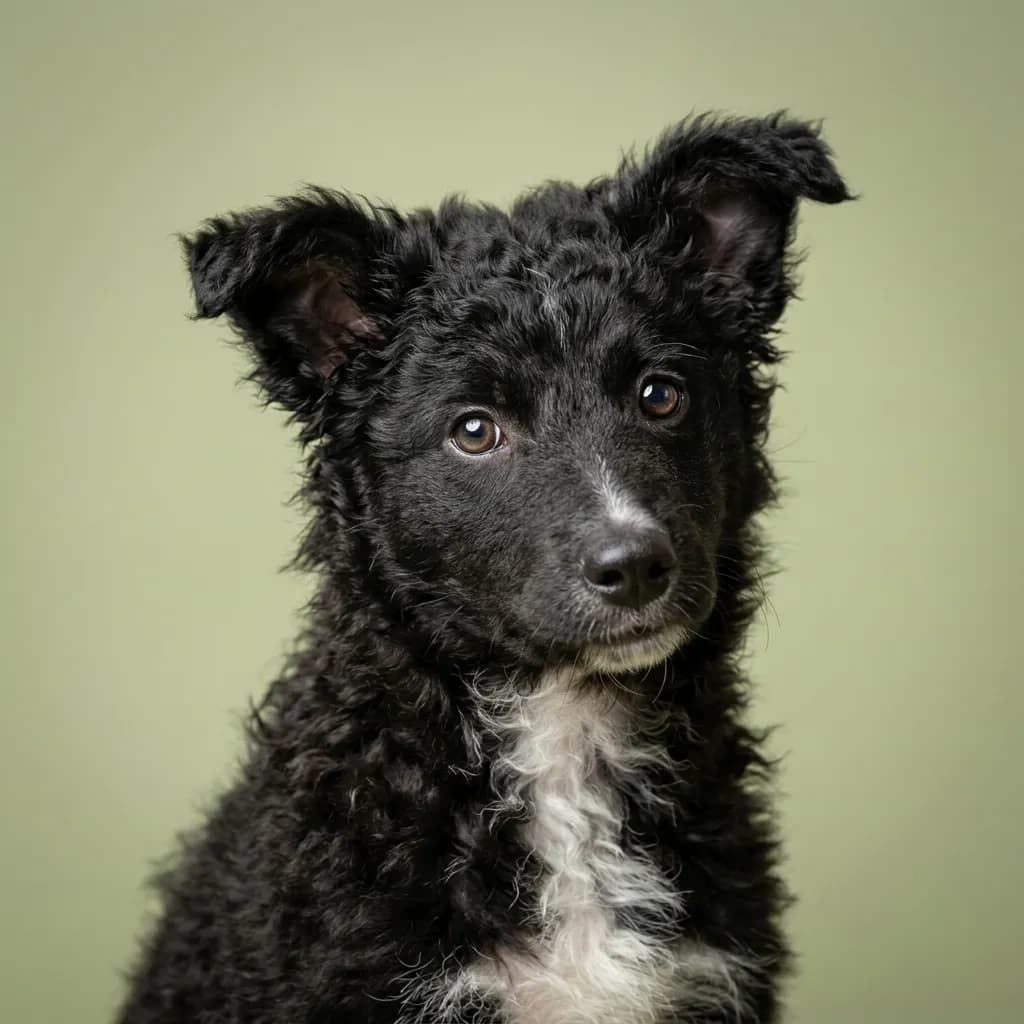
You’re looking at these two because they’re both high-octane herding dogs that thrive on work and challenge. But that’s where the similarities end. The Australian Cattle Dog and Mudi both demand engagement, yes, but they hand it back in very different flavors. The Cattle Dog is a tank. At 50 pounds of coiled muscle and grit, this is a dog built for relentless days under the Australian sun, moving stubborn cattle across endless plains. It’s tough, stoic, and will work until it drops. You’ll need to match that energy or you’ll end up with a frustrated, destructive companion. They bond deeply but often reserve warmth for family, and they don’t always love rowdy kids. Their barking is low, but their stubborn streak can be high. If you’re into dog sports like treiball or long-distance hiking, great. But if you want a cuddly, outgoing housemate, look elsewhere. Now the Mudi? This is the agile, sensitive genius from Hungary. Lighter, louder, and way more expressive, the Mudi lives to please and reads your mood like a therapist. They’re easier to train than the Cattle Dog. five stars across the board. and more affectionate. But they bark more, partly because they’re alert, partly because they want to talk to you. They adapt better to smaller spaces if exercised well, but they hate boredom as much as the Cattle Dog. Here’s the real talk: the Cattle Dog challenges you to prove you’re worthy of leading them. The Mudi wants to be your partner, not your project. If you’ve never owned a herding breed, the Mudi’s sensitivity might overwhelm you. But if you want a dog that feels like a true collaborator, not just a soldier, the Mudi might just change your life.
Trait-by-trait
Higher bar = more of that trait. Shedding, barking, drooling, grooming flipped for readability.Where they diverge
Choose the Australian Cattle Dog if…
- Active people
- Outdoor enthusiasts
- Experienced owners
- You value shedding level — Australian Cattle Dog scores noticeably higher.
Choose the Mudi if…
- Active families
- Experienced herding breed owners
- Dog sport enthusiasts
- You value barking level — Mudi scores higher here.