Australian Cattle Dog vs Puli
Side-by-side comparison across all 14 AKC trait ratings, with a clear verdict on which breed fits which kind of household.
Not sure which breed fits your life?
Answer five questions about your home, your schedule, and your tolerance for shedding. We’ll match you to your top three breeds from over 200.
Australian Cattle Dog vs Puli
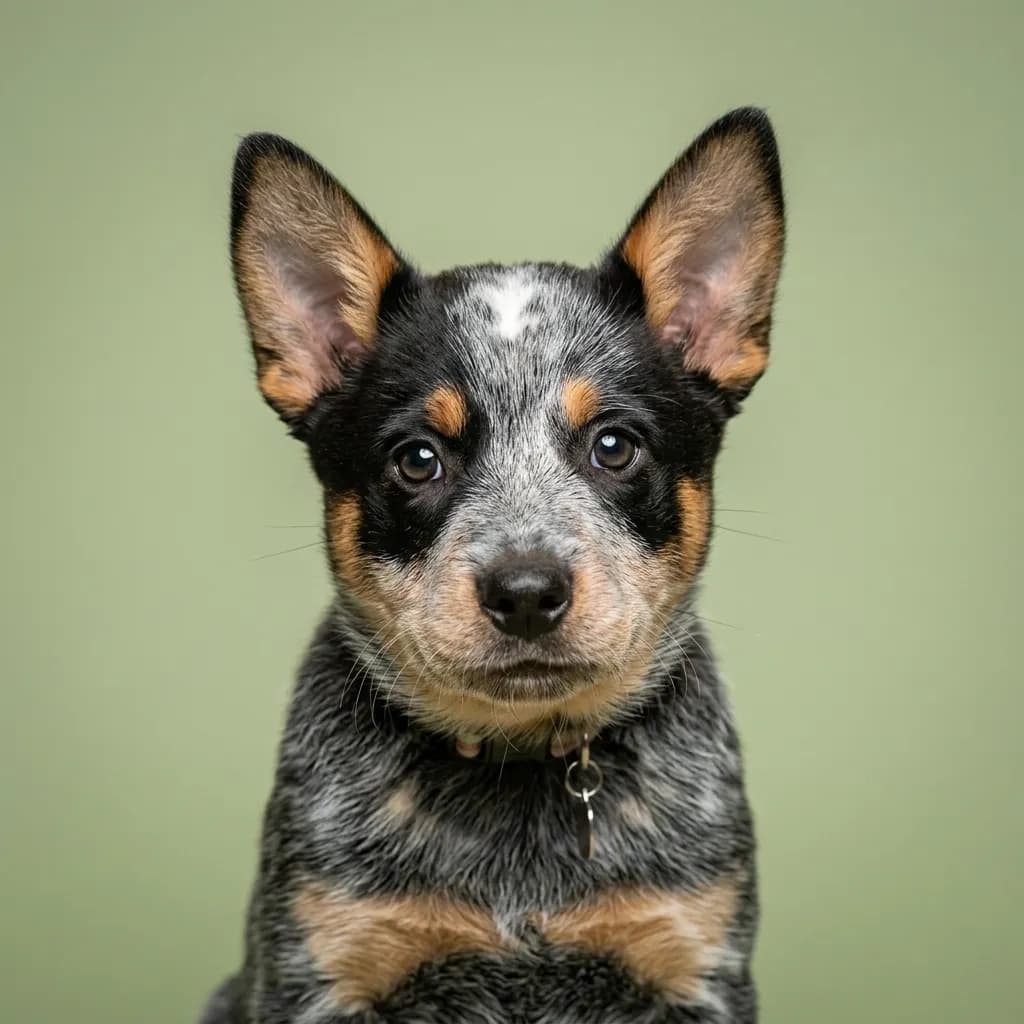
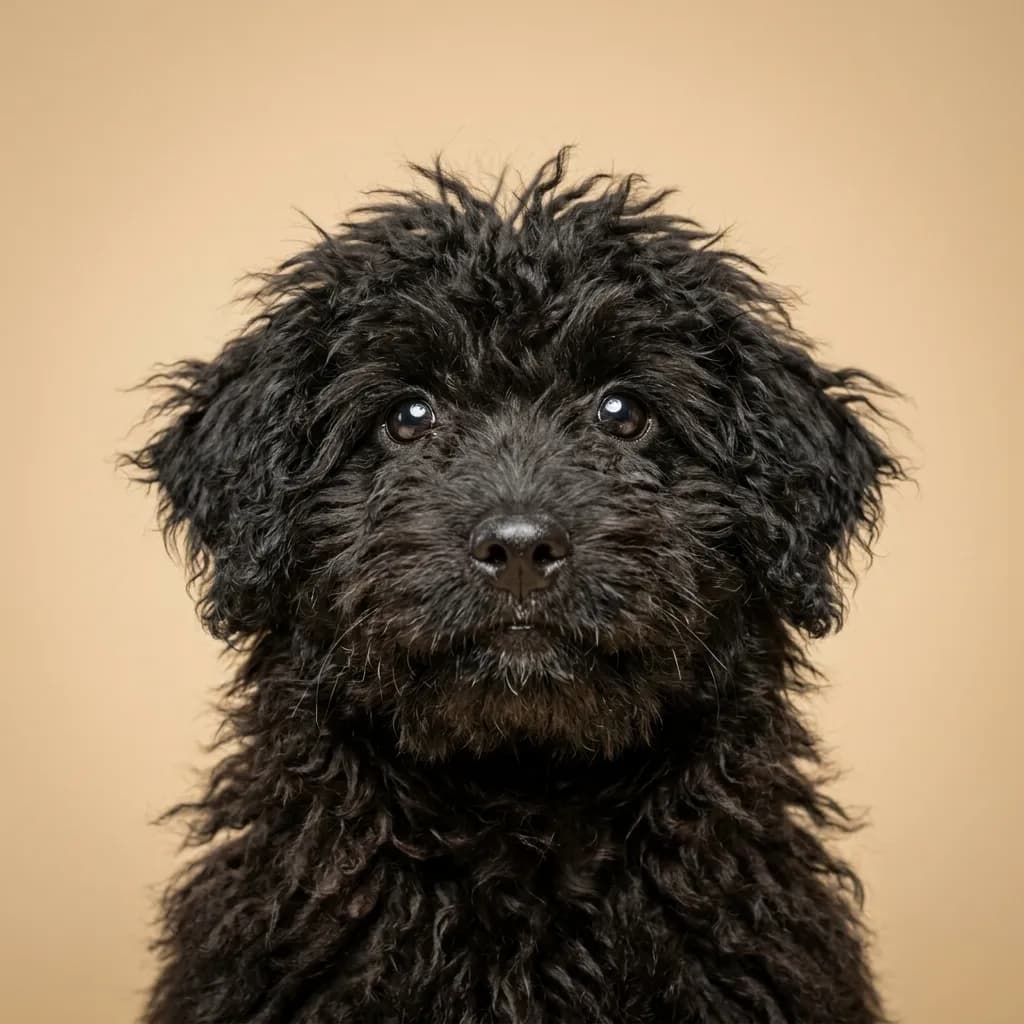
People compare Australian Cattle Dogs and Pulis because both are herding breeds with big brains and bold personalities, but that’s where the similarities mostly end. If you’re torn between them, you’re really choosing between a high-octane workaholic and a quirky, deeply bonded companion with dreadlocks. The Cattle Dog is built for motion. Bred to drive cattle across scorching Australian ranges, this dog won’t just join you on a hike . it’ll want to summit three peaks before lunch. It’s intensely alert, suspicious of strangers, and thrives on tasks. Without enough physical and mental work, it’ll invent its own job, like reorganizing your garden with its teeth. It sheds moderately and doesn’t bark much, but its energy level is relentless. This isn’t a dog for evening couch routines. The Puli, in contrast, looks like a mop with eyes but moves with surprising agility. It’s bred for herding too, but in tighter formations, which means it’s more tuned into its handler and quicker to pick up commands. It bonds fiercely with its family and is more adaptable to different living situations . as long as you’re ready to commit to grooming. Those cords aren’t lazy man’s dreadlocks. They need regular separation and drying, or they’ll trap moisture and smell like wet wool for months. Here’s the real insight: the Cattle Dog respects competence. The Puli craves emotional connection. Pick the Cattle Dog if you need a partner who’ll match your drive. Pick the Puli if you want a dog that feels like part of your emotional ecosystem . and don’t mind spending hours every week maintaining a coat that’s basically a part-time job. You don’t own a Puli. You steward it.
Trait-by-trait
Higher bar = more of that trait. Shedding, barking, drooling, grooming flipped for readability.Where they diverge
Choose the Australian Cattle Dog if…
- Active people
- Outdoor enthusiasts
- Experienced owners
- You value shedding level — Australian Cattle Dog scores noticeably higher.
Choose the Puli if…
- Active families
- Experienced dog owners
- Those wanting a unique coat
- You value coat grooming — Puli scores higher here.