Australian Cattle Dog vs Pumi
Side-by-side comparison across all 14 AKC trait ratings, with a clear verdict on which breed fits which kind of household.
Not sure which breed fits your life?
Answer five questions about your home, your schedule, and your tolerance for shedding. We’ll match you to your top three breeds from over 200.
Australian Cattle Dog vs Pumi
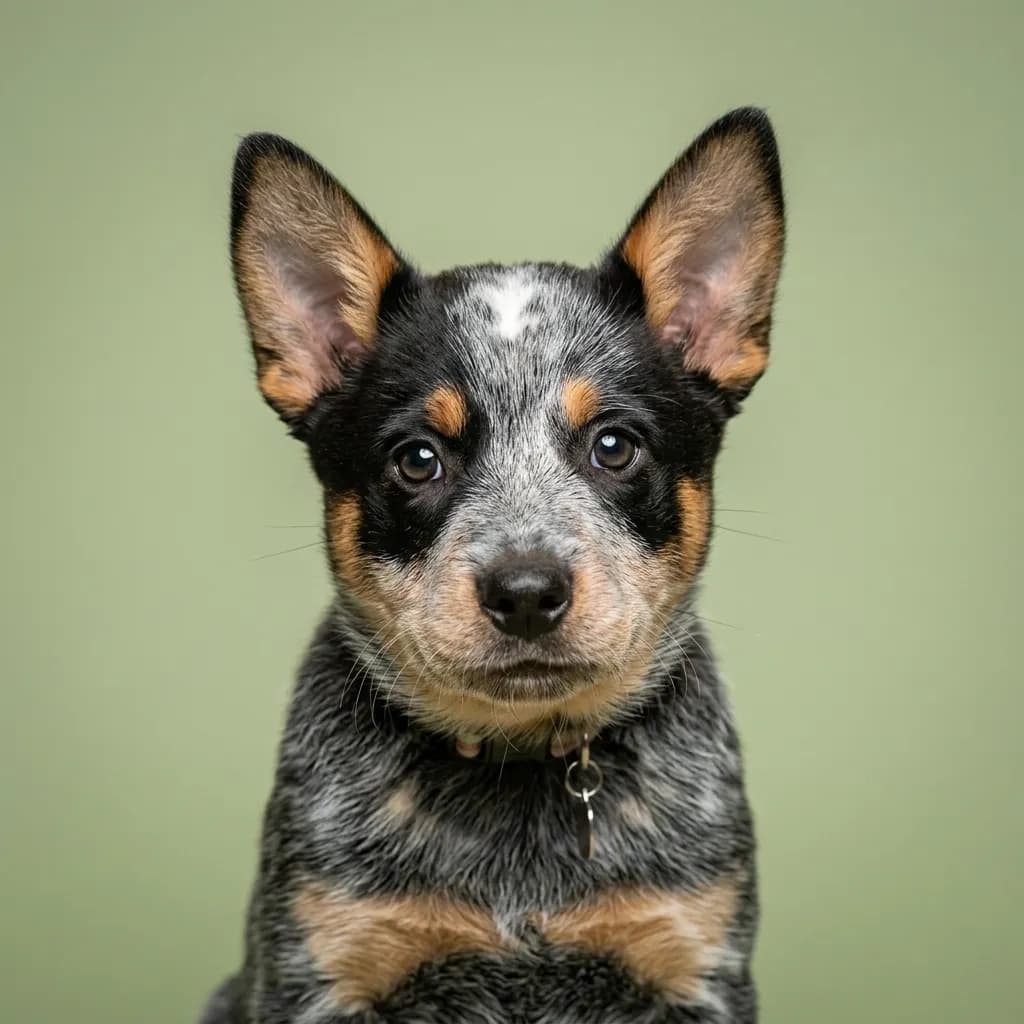
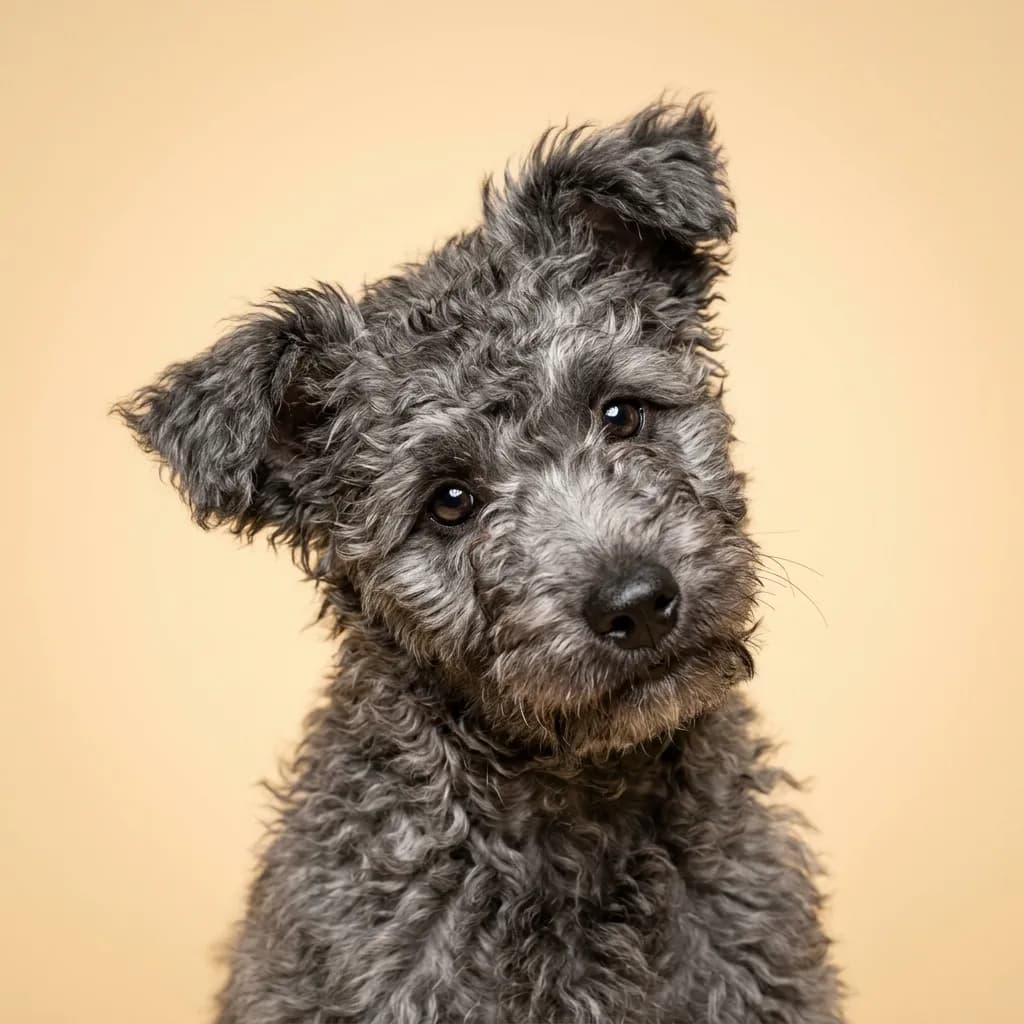
People compare Australian Cattle Dogs and Pumis because they’re both high-octane herding breeds that thrive on work and challenge, not couch time. If you’re looking at either, you’re probably someone who hikes, runs, or does dog sports and wants a dog that’s always ready. But beneath the shared intensity, these dogs live different lives. The Cattle Dog is a tough, compact powerhouse built for grinding miles across the Australian outback, nipping at the heels of stubborn cattle. They’re stoic, slightly reserved, and bond deeply with one or two people. Don’t be fooled by the low barking score. they’ll bark when it matters, but their real trait is silent determination. They’re not as adaptable as you’d hope; a city apartment will break them. They need space, jobs, and experienced handling. The Pumi, though smaller, is a whirlwind of expression. ears like satellite dishes, curly coat, and a voice that’s used more freely. They’re more affectionate across the board, attaching to the whole family and craving involvement in everything. They adapt better to suburban life as long as they get their mental fix, but their barking can be a real issue if unchecked. And while they shed less, that coat needs upkeep. Here’s the real difference: Cattle Dogs respect you like a boss. Pumis want to be your emotional partner in crime. If you’re into agility or obedience, both excel, but the Pumi’s trainability and eagerness give them an edge if you’re competing. That said, Pumis cost more and are rarer. finding a breeder takes work. Pick the Cattle Dog if you want a loyal, rugged companion for outdoor missions and don’t mind a bit of aloofness. Choose the Pumi if you want a vocal, expressive shadow who’ll learn fast, love harder, and remind you daily that life’s a project.
Trait-by-trait
Higher bar = more of that trait. Shedding, barking, drooling, grooming flipped for readability.Where they diverge
Choose the Australian Cattle Dog if…
- Active people
- Outdoor enthusiasts
- Experienced owners
- You value shedding level — Australian Cattle Dog scores noticeably higher.
Choose the Pumi if…
- Active owners
- Dog sports enthusiasts
- Experienced herding breed owners
- You value affectionate w/ family — Pumi scores higher here.