Australian Cattle Dog vs Saint Bernard
Side-by-side comparison across all 14 AKC trait ratings, with a clear verdict on which breed fits which kind of household.
Not sure which breed fits your life?
Answer five questions about your home, your schedule, and your tolerance for shedding. We’ll match you to your top three breeds from over 200.
Australian Cattle Dog vs Saint Bernard
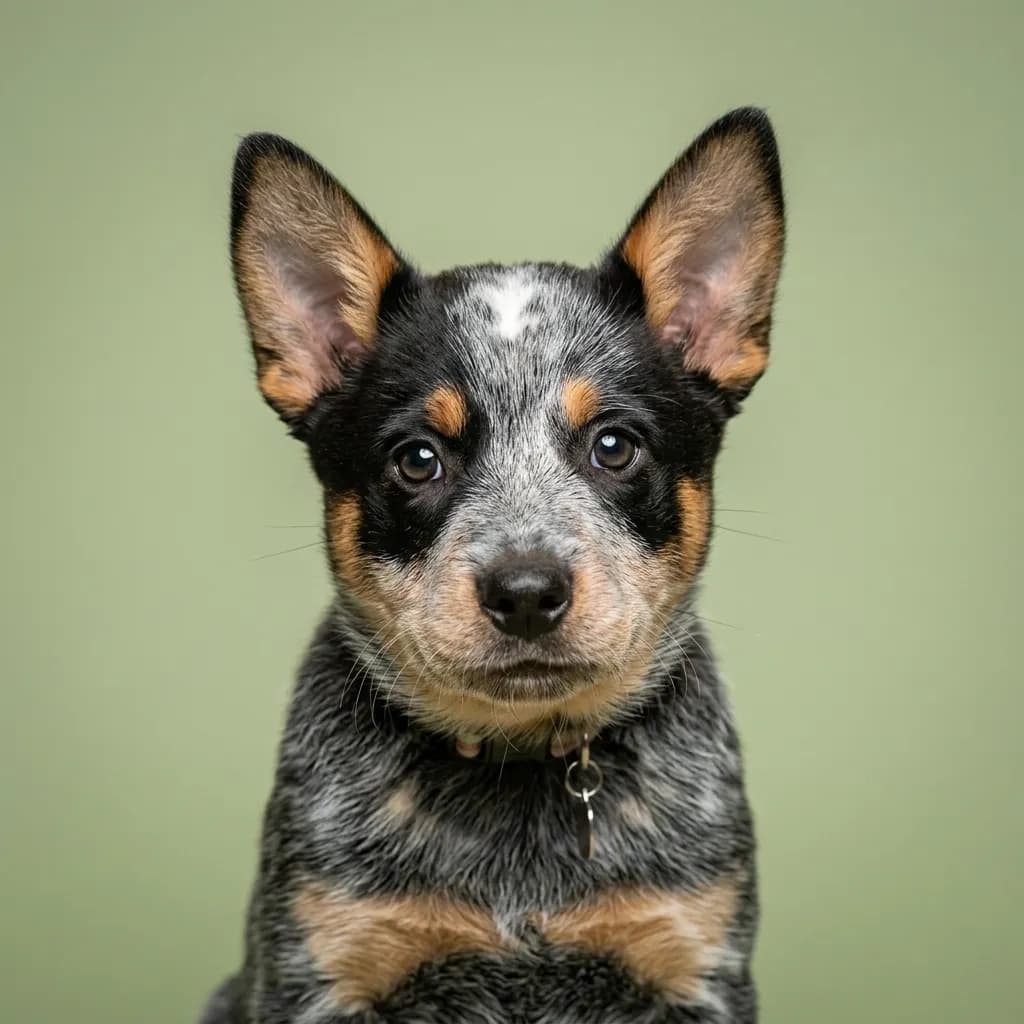
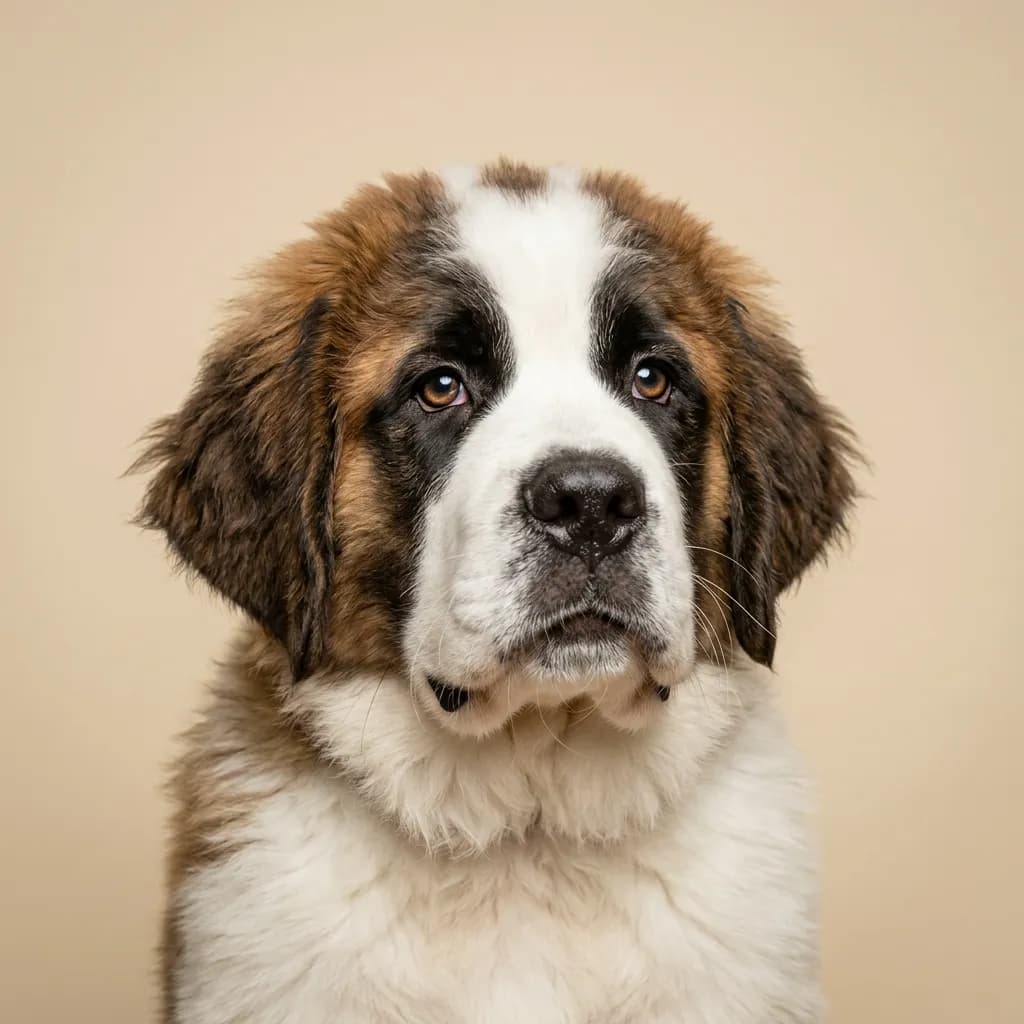
People compare Australian Cattle Dogs and Saint Bernards because both are iconic, deeply loyal, and visually striking in their own way. one’s a rugged cattle driver, the other a legendary mountain rescuer. But in practice, they’re polar opposites, and choosing between them is really about choosing your lifestyle. If you’re constantly on the move, love hiking, agility, or need a dog that’ll work alongside you. mentally and physically. the Australian Cattle Dog is unmatched. These dogs thrive on challenge, stay sharp well into old age, and bond fiercely with their people. But they’re not cuddle bugs by default; they’ll respect you more if you earn it. They’re not ideal for families just wanting a gentle, laid-back pet, and their energy can overwhelm small kids. You’ll need space, time, and patience for their intensity. The Saint Bernard? That’s your hug in dog form. Massive, calm, and deeply affectionate, they’re natural family guardians who adore kids and adapt surprisingly well to home life. as long as you’ve got room for a 150-pound dog that drools after every drink and sheds like a snowstorm in spring. They’re not lazy, but their energy is measured, not endless. They’ll greet you warmly, but they won’t demand a 10-mile run. Here’s the real talk: the Cattle Dog will outlive the Saint Bernard by 5 to 8 years, but the Saint Bernard will fill your home with love, mess, and presence in a way few dogs can. One is a lifelong adventure partner, the other a short, beautiful storm of warmth. Pick based on whether you want a teammate or a hearth.
Trait-by-trait
Higher bar = more of that trait. Shedding, barking, drooling, grooming flipped for readability.Where they diverge
Choose the Australian Cattle Dog if…
- Active people
- Outdoor enthusiasts
- Experienced owners
- You value energy level — Australian Cattle Dog scores noticeably higher.
Choose the Saint Bernard if…
- Families with children
- Those wanting a gentle giant
- Cold climate households
- You value drooling level — Saint Bernard scores higher here.