Australian Cattle Dog vs Shiba Inu
Side-by-side comparison across all 14 AKC trait ratings, with a clear verdict on which breed fits which kind of household.
Not sure which breed fits your life?
Answer five questions about your home, your schedule, and your tolerance for shedding. We’ll match you to your top three breeds from over 200.
Australian Cattle Dog vs Shiba Inu
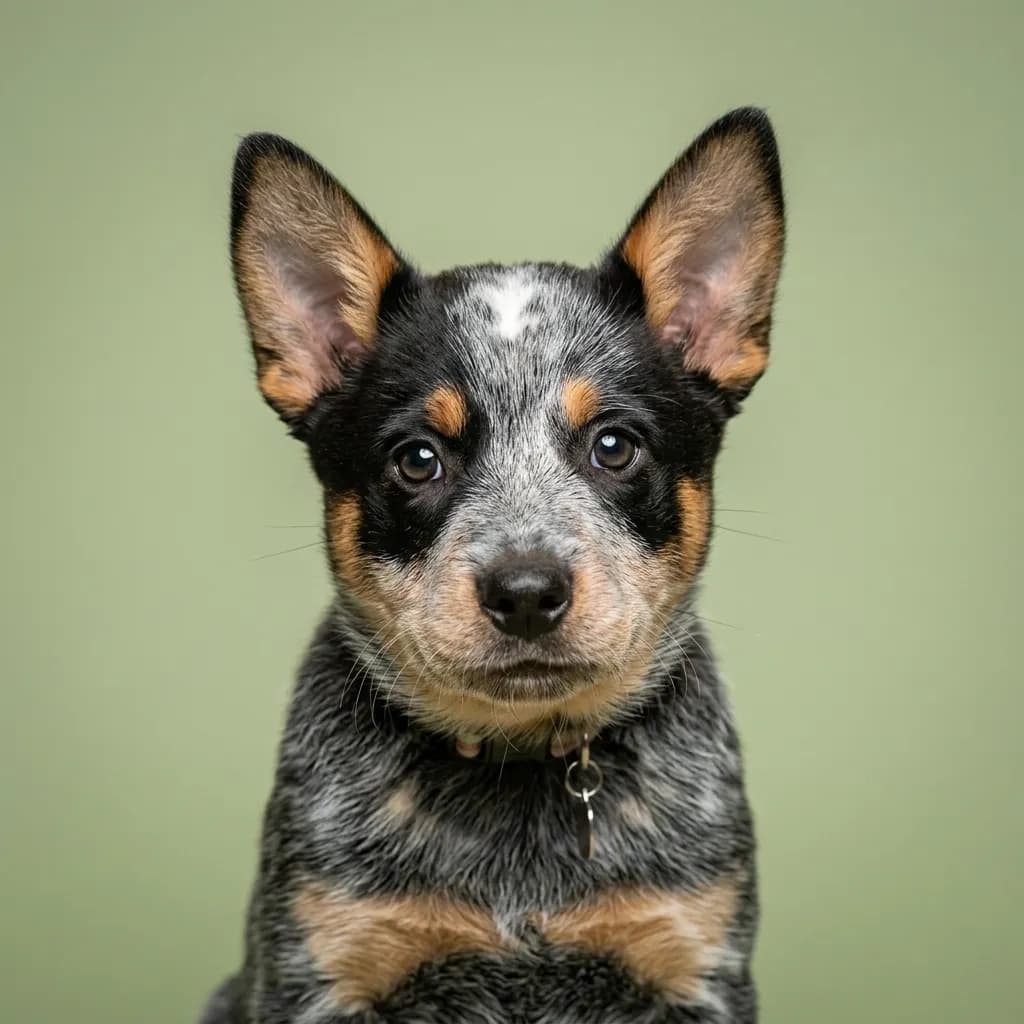
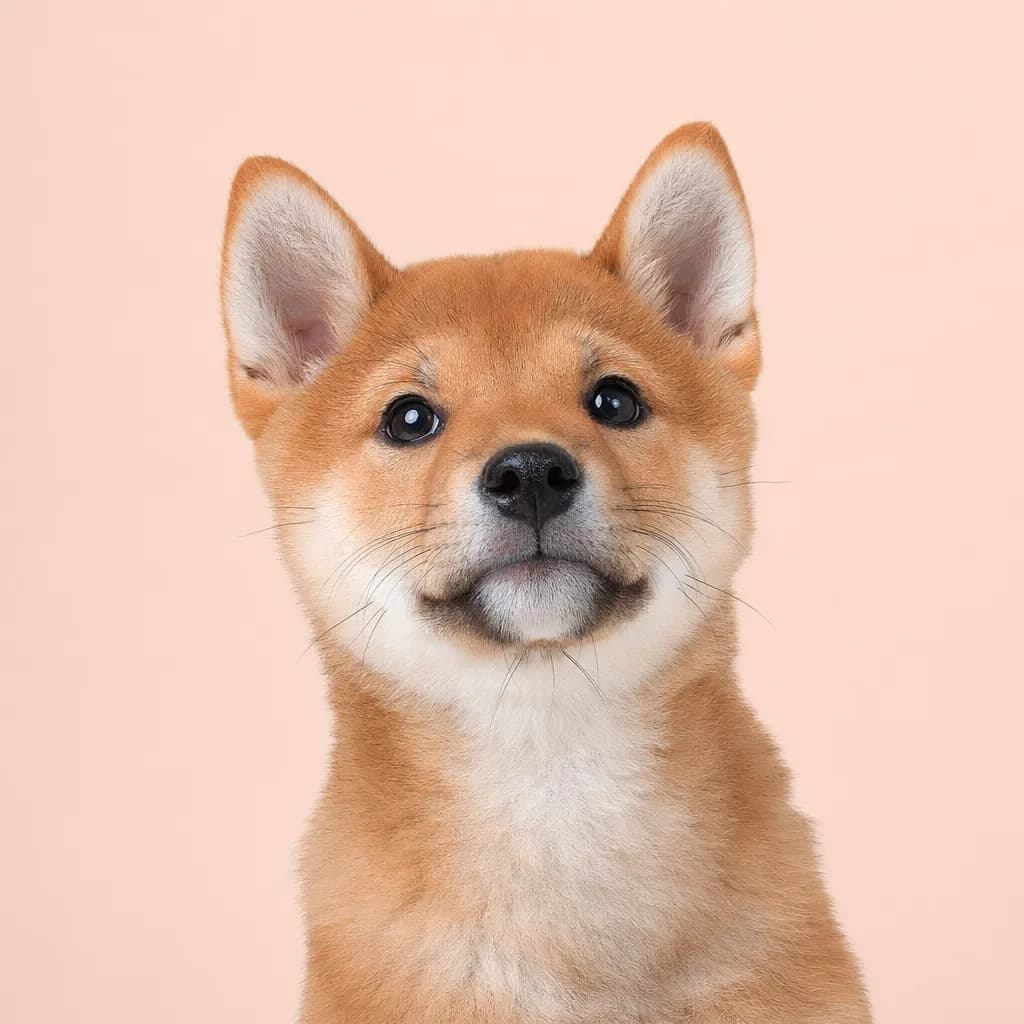
People compare Australian Cattle Dogs and Shiba Inus because they’re both compact, fox-faced, and fiercely independent. They look like they could be cousins. alert, agile, and built with a wild spark in their eyes. But that’s where the similarities end. Choosing between them isn't just about looks. It’s about how you live, how much control you want (or can have), and what kind of chaos you’re ready for. The Australian Cattle Dog is a marathon runner with a job obsession. Bred to move cattle across scorched outback plains, this dog needs physical and mental work. every single day. If you’re hiking, biking, or into dog sports like agility or herding trials, you’ll have a partner for life. But fail to challenge them, and you’ll come home to chewed door frames and a backyard escape attempt. They’re smart and trainable, but that energy score of 5/5 isn't a suggestion. They’re not aloof. they’ll bond deeply with their people, just on their terms. The Shiba Inu, on the other hand, is more like that cool, quiet friend who shows up when they feel like it. They’re clean, cat-like, often litter-box trainable, and famously stubborn. Training is a negotiation, not a command. They’re affectionate, but with limits. You don’t own a Shiba. You’re more like their preferred habitat. Here’s the real talk: both are terrible for first-time owners, but for different reasons. The Cattle Dog will run you into the ground if you can’t keep up. The Shiba will ignore you completely if you don’t earn their respect. If you want a dog that reflects your lifestyle, pick the Cattle Dog. If you want a dog that barely tolerates yours, get the Shiba.
Trait-by-trait
Higher bar = more of that trait. Shedding, barking, drooling, grooming flipped for readability.Where they diverge
Choose the Australian Cattle Dog if…
- Active people
- Outdoor enthusiasts
- Experienced owners
- You value trainability — Australian Cattle Dog scores noticeably higher.
Choose the Shiba Inu if…
- Experienced dog owners
- Those wanting a cat-like independence
- Active owners
- You value affectionate w/ family — Shiba Inu scores higher here.