Australian Cattle Dog vs Teddy Roosevelt Terrier
Side-by-side comparison across all 14 AKC trait ratings, with a clear verdict on which breed fits which kind of household.

Not sure which breed fits your life?
Answer five questions about your home, your schedule, and your tolerance for shedding. We’ll match you to your top three breeds from over 200.
Australian Cattle Dog vs Teddy Roosevelt Terrier
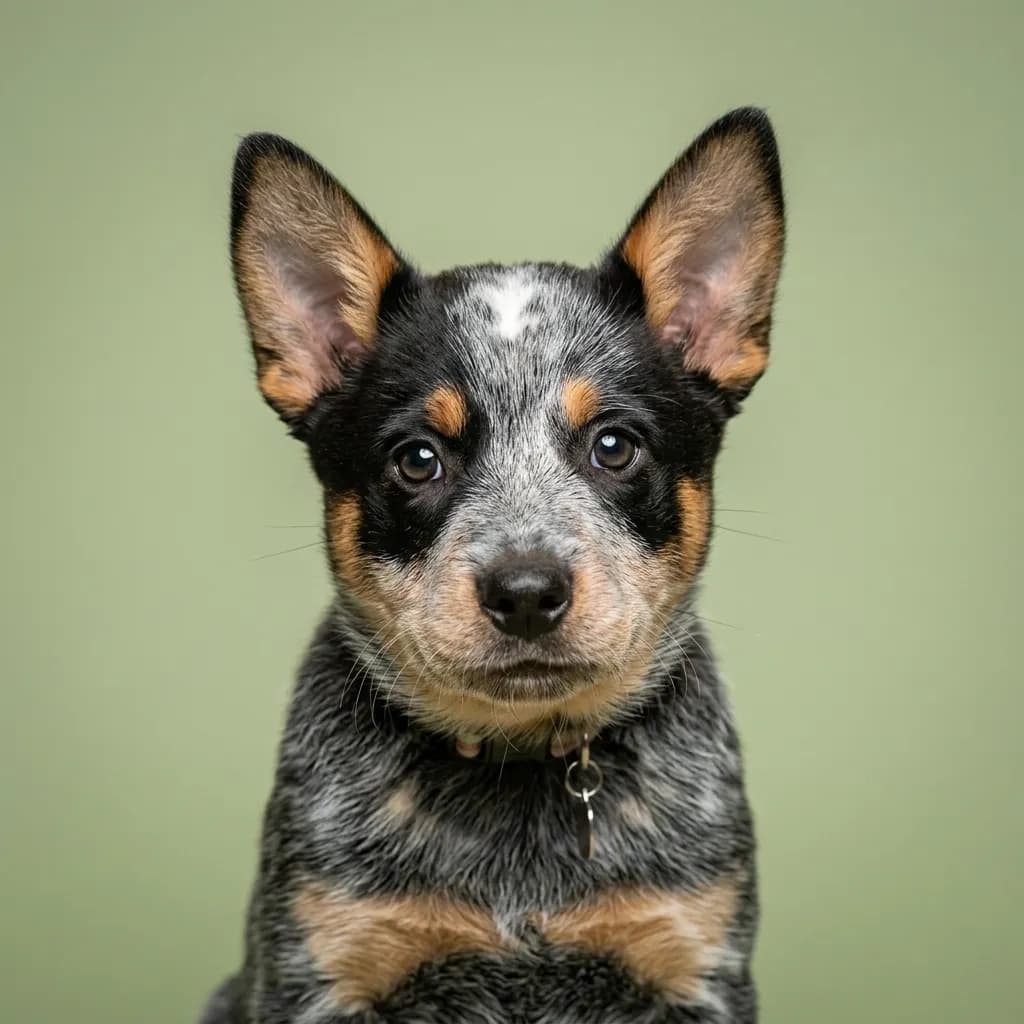
You don’t see these two coming head to head on paper. after all, one’s a compact barnyard ratter built to scurry under wagons, the other a tough-as-nails cattle driver bred to cover 20 miles a day in the Outback. But people compare Australian Cattle Dogs and Teddy Roosevelt Terriers because they’re both high-energy, brainy, and loyal in their own grit. If you’re looking for a dog that’s always on and eager to learn, both fit the bill. The real question isn’t what they share. it’s what kind of chaos you’re ready for. The Cattle Dog is a co-pilot. It wants a job, a plan, and space to move. You’ll need agility courses, hiking trails, or serious backyard training setups. It’s reserved with strangers and can be snarky with kids if not socialized early. It won’t yap much, but it will stare at you like you’re slacking. The Teddy? Same mental horsepower but wrapped in a lapdog-sized body that actually wants to be on your lap after a day of zooming. It’s louder. bark-wise. and will alert you to squirrels, mail carriers, and passing clouds. But it bonds fiercely with the whole family and adapts to apartments or farms just fine. Pick the Cattle Dog if you’re active, experienced, and want a partner in adventure. Pick the Terrier if you want that same drive and smarts but in a smaller, more affectionate package that fits city life. Here’s the real talk: both breeds suffer when bored. But the Cattle Dog will rewire your sprinkler system out of sheer frustration. The Teddy will just outsmart you. then cuddle you into forgiving it.
Trait-by-trait
Higher bar = more of that trait. Shedding, barking, drooling, grooming flipped for readability.Where they diverge
Choose the Australian Cattle Dog if…
- Active people
- Outdoor enthusiasts
- Experienced owners
Choose the Teddy Roosevelt Terrier if…
- Active families
- Farm settings for pest control
- Apartment or small home living
- You value barking level — Teddy Roosevelt Terrier scores higher here.