Australian Cattle Dog vs Weimaraner
Side-by-side comparison across all 14 AKC trait ratings, with a clear verdict on which breed fits which kind of household.
Not sure which breed fits your life?
Answer five questions about your home, your schedule, and your tolerance for shedding. We’ll match you to your top three breeds from over 200.
Australian Cattle Dog vs Weimaraner
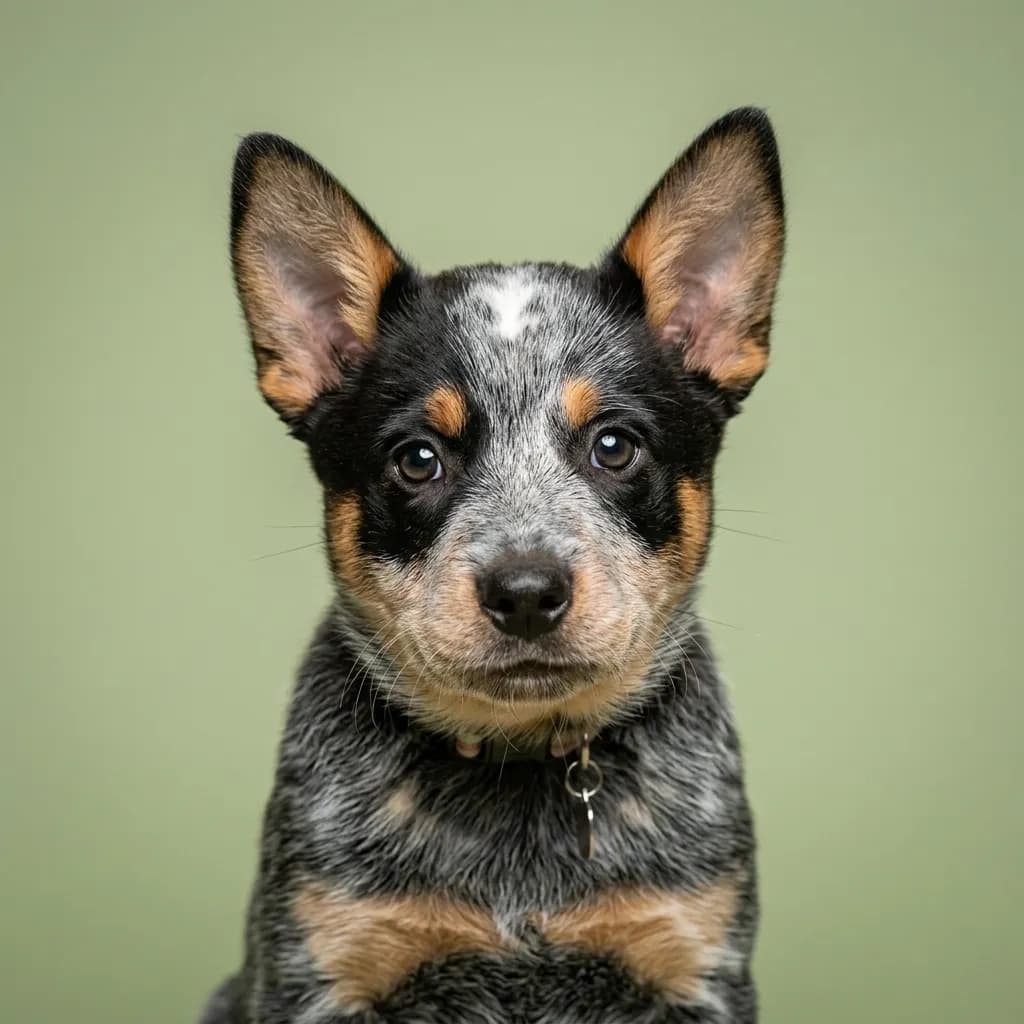
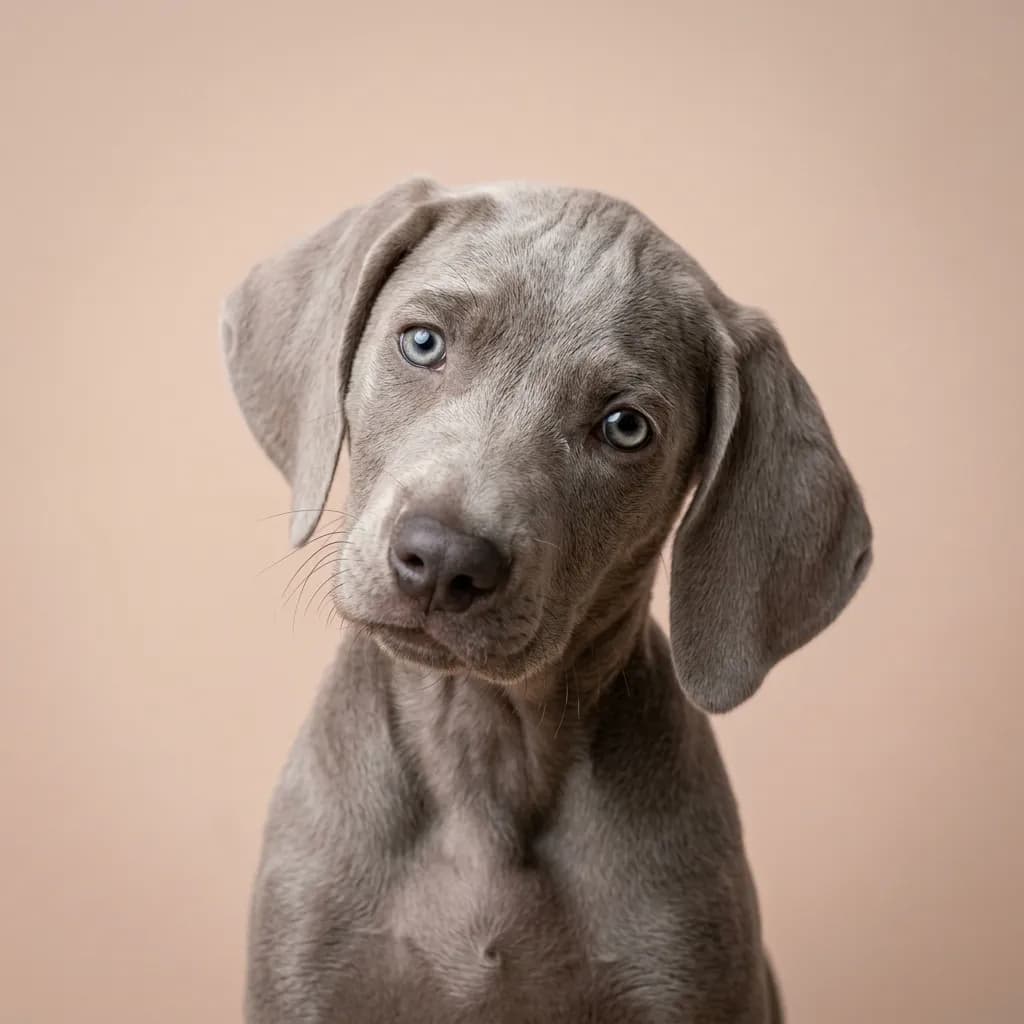
People compare Australian Cattle Dogs and Weimaraners because both are high-energy, intelligent breeds that demand an active lifestyle, and they look striking in their own ways. one with mottled blue or red fur and piercing eyes, the other with that iconic silver-gray coat and intense gaze. But beyond the surface, these dogs live very different lives. The Cattle Dog is a coiled spring, bred to work cattle across endless outback terrain. They’re intensely focused, independent thinkers who’ll test your leadership. They don’t bark much, but they’ll nudge kids with their nose or nip at heels out of instinct. They’re loyal in a reserved way. affectionate on their terms, not yours. You’ll need time for serious mental work; this is a dog that thrives on dog sports, advanced obedience, or herding trials. The Weimaraner is more of a velcro dog. Big, athletic, and deeply attached, they want to be where you are, always. They’ll sprint beside you on a 10-mile run, then curl at your feet like a giant gray kitten. They’re more naturally sociable with kids and strangers, but they hate being left alone. separation anxiety isn’t a maybe, it’s a near guarantee if you’re out all day. Here’s the real difference: the Cattle Dog respects you for your skill, the Weimaraner loves you for your presence. Choose the Cattle Dog if you want a partner in precision, someone who’ll earn every bit of your attention. Pick the Weimaraner if you want a devoted shadow who happens to also hunt, run, and swim like a champion. But don’t fool yourself. neither tolerates boredom. One will shut down, the other will destroy your couch. Both need purpose.
Trait-by-trait
Higher bar = more of that trait. Shedding, barking, drooling, grooming flipped for readability.Where they diverge
Choose the Australian Cattle Dog if…
- Active people
- Outdoor enthusiasts
- Experienced owners
Choose the Weimaraner if…
- Active families with space
- Hunters
- Runners and hikers
- You value affectionate w/ family — Weimaraner scores higher here.