Australian Cattle Dog vs Working Kelpie
Side-by-side comparison across all 14 AKC trait ratings, with a clear verdict on which breed fits which kind of household.
Not sure which breed fits your life?
Answer five questions about your home, your schedule, and your tolerance for shedding. We’ll match you to your top three breeds from over 200.
Australian Cattle Dog vs Working Kelpie
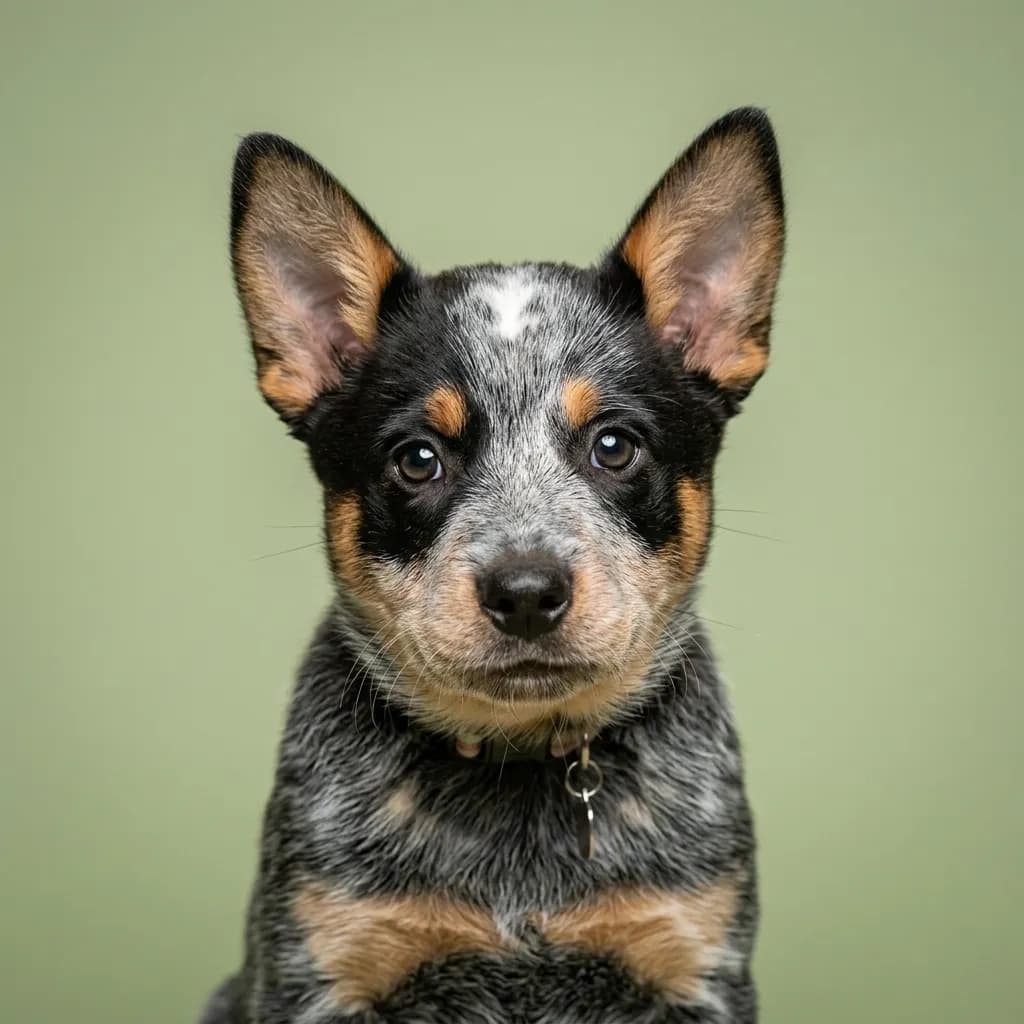
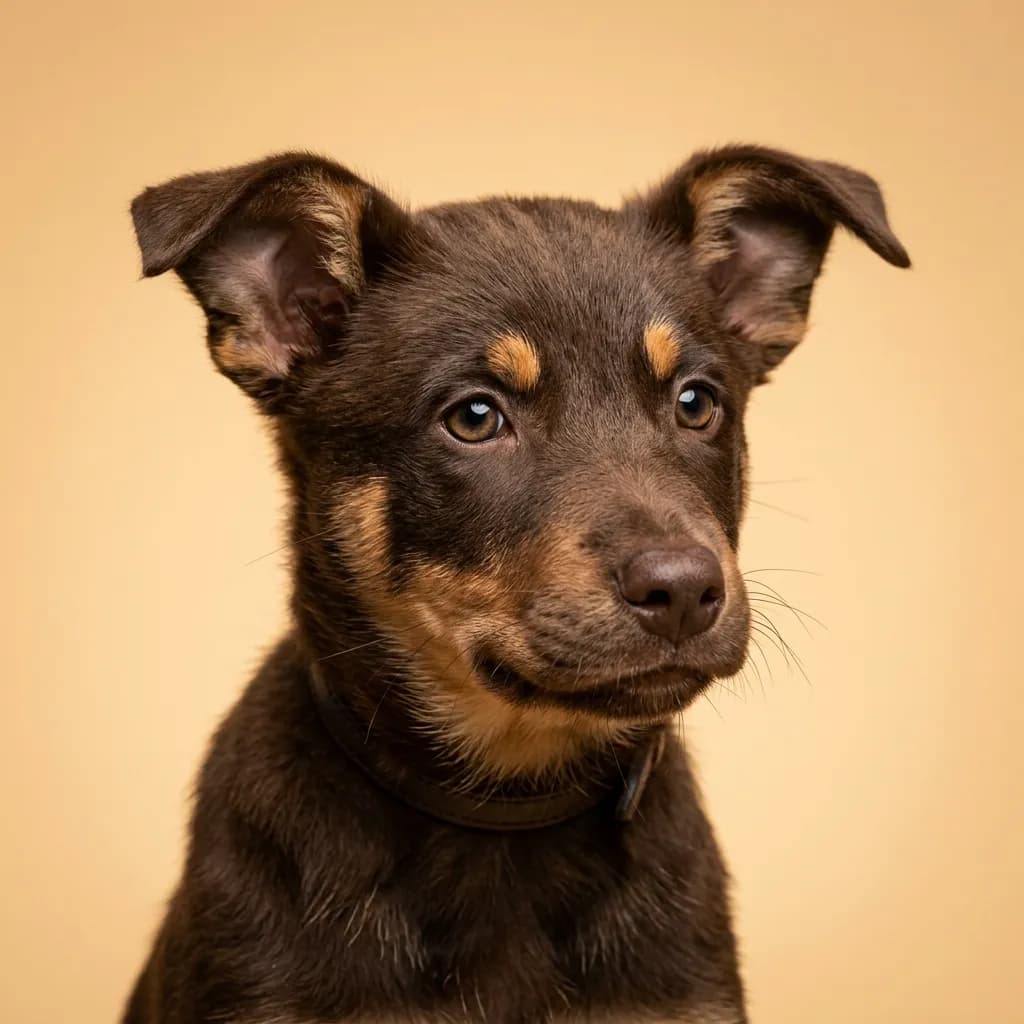
People compare Australian Cattle Dogs and Working Kelpies because they’re both tough, tireless Aussie herders built for wide-open spaces and hard work. On paper, they look like cousins. high energy, sharp minds, built for heat and dust. But if you’re standing in a paddock at dawn trying to decide which dog to bring home, the differences start to matter in ways the breed standards won’t tell you. The Cattle Dog is your focused, controlled sprinter. Calmer around the homestead, less bark, more “read your mind” intensity. They bond tightly, can be wary of strangers, and thrive when given a job. like agility, hiking, or bike-joring. But they’re also more likely to nip at kids out of instinct, and their stubborn streak means you need experience to lead them well. The Working Kelpie? That’s a wildfire in dog form. Bred to cover 30 miles a day on their own, making split-second decisions with sheep, they’re more independent, more vocal, and way more tolerant of kids. They’ll work beside you, not just for you. But their mental engine never shuts off. If you don’t give them real purpose. actual herding, advanced obedience, daily challenges. they’ll find their own job, like digging up your garden or learning how to open the fridge. Here’s the real talk: neither belongs in a city. But if you’re on a farm and need a dog that can work livestock with minimal direction, the Kelpie’s instinct is unmatched. If you’re an active owner who wants a loyal, intense partner for dog sports and backcountry trips but still wants some calm in the house, the Cattle Dog might just be your match. Just don’t expect either to ever truly settle on the couch.
Trait-by-trait
Higher bar = more of that trait. Shedding, barking, drooling, grooming flipped for readability.Where they diverge
Choose the Australian Cattle Dog if…
- Active people
- Outdoor enthusiasts
- Experienced owners
Choose the Working Kelpie if…
- Farmers and ranchers
- Experienced dog owners
- Active rural lifestyles
- You value good with young children — Working Kelpie scores higher here.