Australian Kelpie vs Belgian Tervuren
Side-by-side comparison across all 14 AKC trait ratings, with a clear verdict on which breed fits which kind of household.

Not sure which breed fits your life?
Answer five questions about your home, your schedule, and your tolerance for shedding. We’ll match you to your top three breeds from over 200.
Australian Kelpie vs Belgian Tervuren
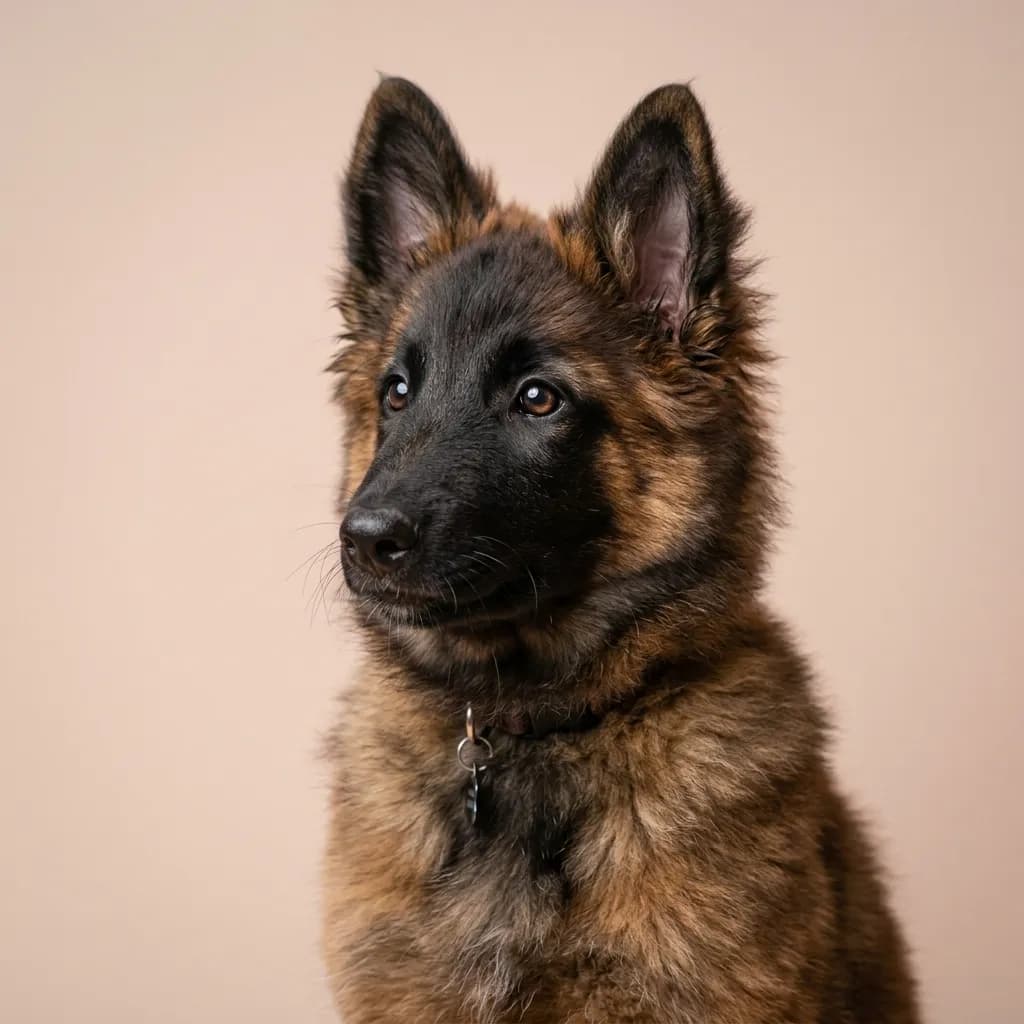
People compare Kelpies and Tervurens because they’re both high-drive herding dogs that look kind of like German shepherds at a glance, and they both thrive on work. But that’s where the similarity ends. If you’re choosing between them, you’re really asking: do you want a tireless, low-key fieldhand or a passionate, intense partner? The Kelpie is the dog that will work your sheep all day in 100-degree heat and then quietly curl up on the porch without demanding much conversation. They’re tough, independent, and don’t bark unless something’s wrong. They bond deeply with their person but won’t follow you to the bathroom. They’re also half the price of a Tervuren, partly because they’re less flashy and far less common in the U.S. The Tervuren, on the other hand, is all heart and intensity. They’re the dog that locks eyes with you during training like you’re solving a puzzle together. They’re more expressive, more vocal, and they absolutely need a job. whether that’s agility, tracking, or advanced obedience. You’ll pay more upfront, yes, but you’re also getting a dog that lives for connection and precision. Here’s the real difference beyond the numbers: Kelpies are built to solve problems on their own. Tervurens want to solve them with you. So if you’re doing dog sports and want a co-pilot who thrives on teamwork, go Tervuren. If you need a dog that can handle wide-open spaces and long hours without constant direction, the Kelpie’s your dog. Neither will tolerate a couch potato lifestyle. But the Kelpie might survive it longer. if not happily.
Trait-by-trait
Higher bar = more of that trait. Shedding, barking, drooling, grooming flipped for readability.Where they diverge
Choose the Australian Kelpie if…
- working farms and ranches
- very active owners
- canine sport enthusiasts
- You value affectionate w/ family — Australian Kelpie scores noticeably higher.
Choose the Belgian Tervuren if…
- Active people
- Experienced owners
- Dog sports enthusiasts
- You value barking level — Belgian Tervuren scores higher here.