Australian Kelpie vs Drever
Side-by-side comparison across all 14 AKC trait ratings, with a clear verdict on which breed fits which kind of household.
Not sure which breed fits your life?
Answer five questions about your home, your schedule, and your tolerance for shedding. We’ll match you to your top three breeds from over 200.
Australian Kelpie vs Drever
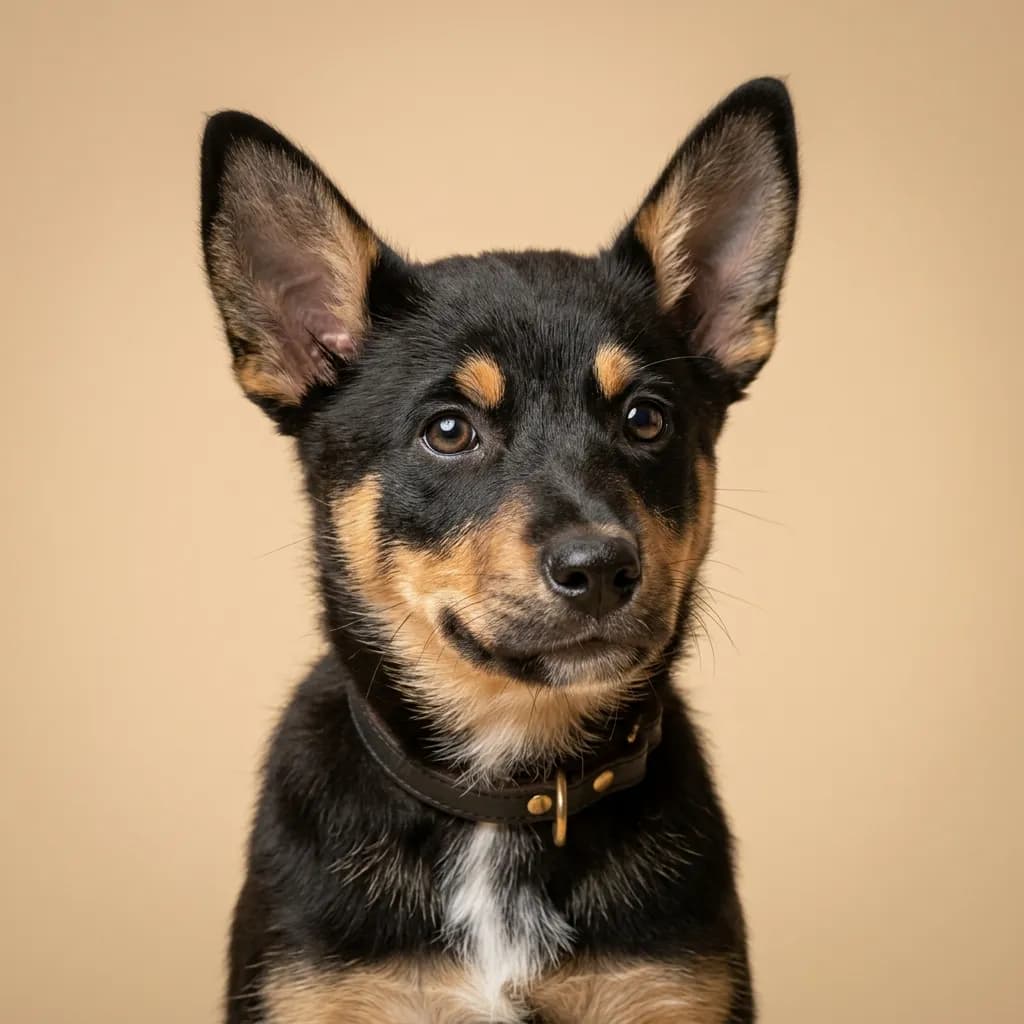
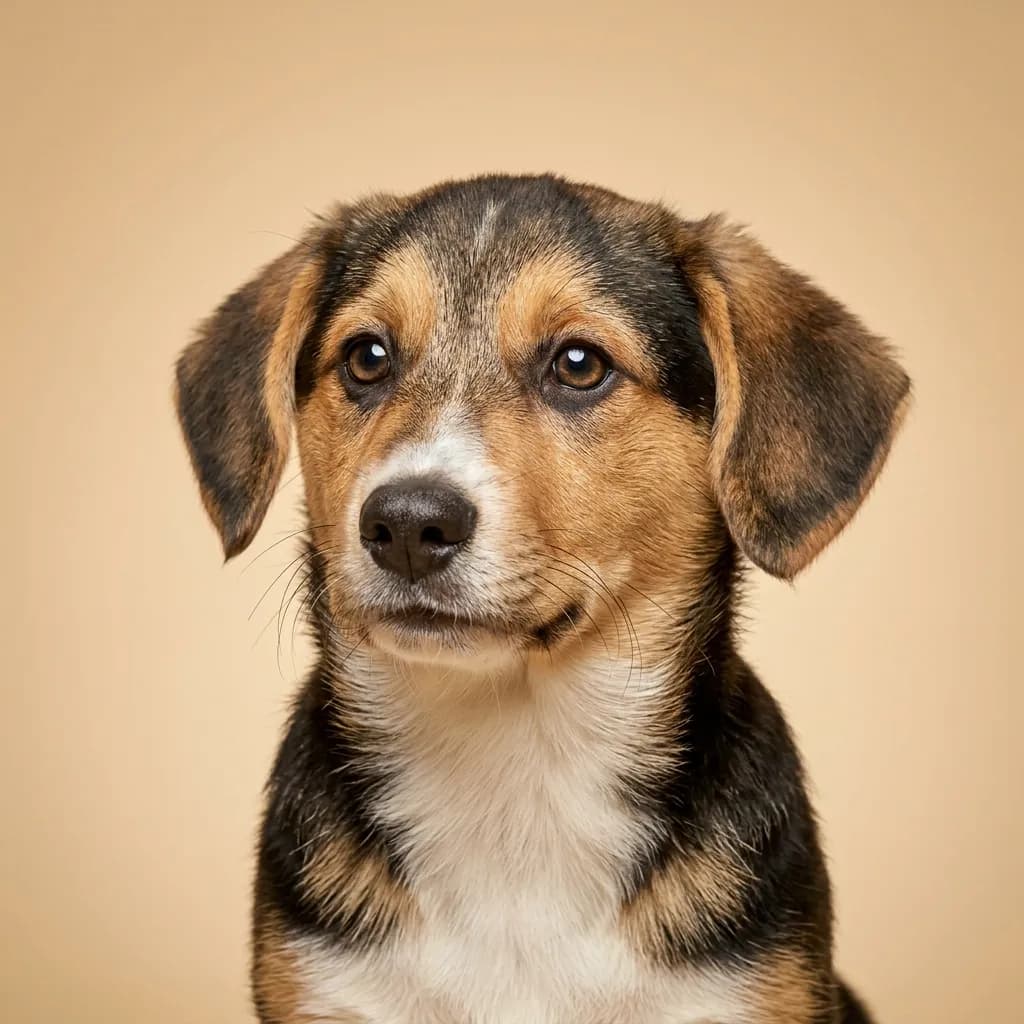
People compare the Australian Kelpie and the Drever because both are mid-sized, hardworking breeds with a quiet dignity and a knack for thriving in rugged environments. On paper, they seem like two sides of the same coin. loyal, energetic, built for purpose. But spend time with them and you’ll realize they’re wired for entirely different kinds of work, and by extension, entirely different kinds of lives. The Kelpie is a fireball of focused energy, bred to cover miles of scorched outback terrain, moving sheep with precision and independence. You don’t just walk a Kelpie. you channel its intensity into dog sports, advanced obedience, or actual herding. Without that outlet, it’ll rewire your fence just to feel something. They’re smart enough to outthink you, which is great if you’re up for the challenge, awful if you’re not. The Drever, short-legged but fearless, was built to trail deer through Scandinavian snow, baying just enough to keep hunters on track. It’s calmer indoors, more predictable with kids, and eager to please in a way that makes training feel rewarding, not exhausting. But don’t mistake its patience for laziness. this dog needs daily miles, especially in scent-rich woods or open fields. And if your fence is under four feet, it might as well not exist. Here’s the real talk: the Kelpie bonds to a job and a handler, the Drever bonds to a family and a routine. If you’re a first-time owner wanting a loyal, active dog that plays well with kids and isn’t trying to herd your neighbors, the Drever’s your pick. But if you’re an experienced handler craving a high-octane partner who lives for mental and physical challenges, the Kelpie will change your life. if you can keep up.
Trait-by-trait
Higher bar = more of that trait. Shedding, barking, drooling, grooming flipped for readability.Where they diverge
Choose the Australian Kelpie if…
- working farms and ranches
- very active owners
- canine sport enthusiasts
- You value mental stimulation needs — Australian Kelpie scores noticeably higher.
Choose the Drever if…
- hunters
- active families in cold climates
- outdoor adventurers
- You value barking level — Drever scores higher here.