Australian Cattle Dog vs Drever
Side-by-side comparison across all 14 AKC trait ratings, with a clear verdict on which breed fits which kind of household.
Not sure which breed fits your life?
Answer five questions about your home, your schedule, and your tolerance for shedding. We’ll match you to your top three breeds from over 200.
Australian Cattle Dog vs Drever
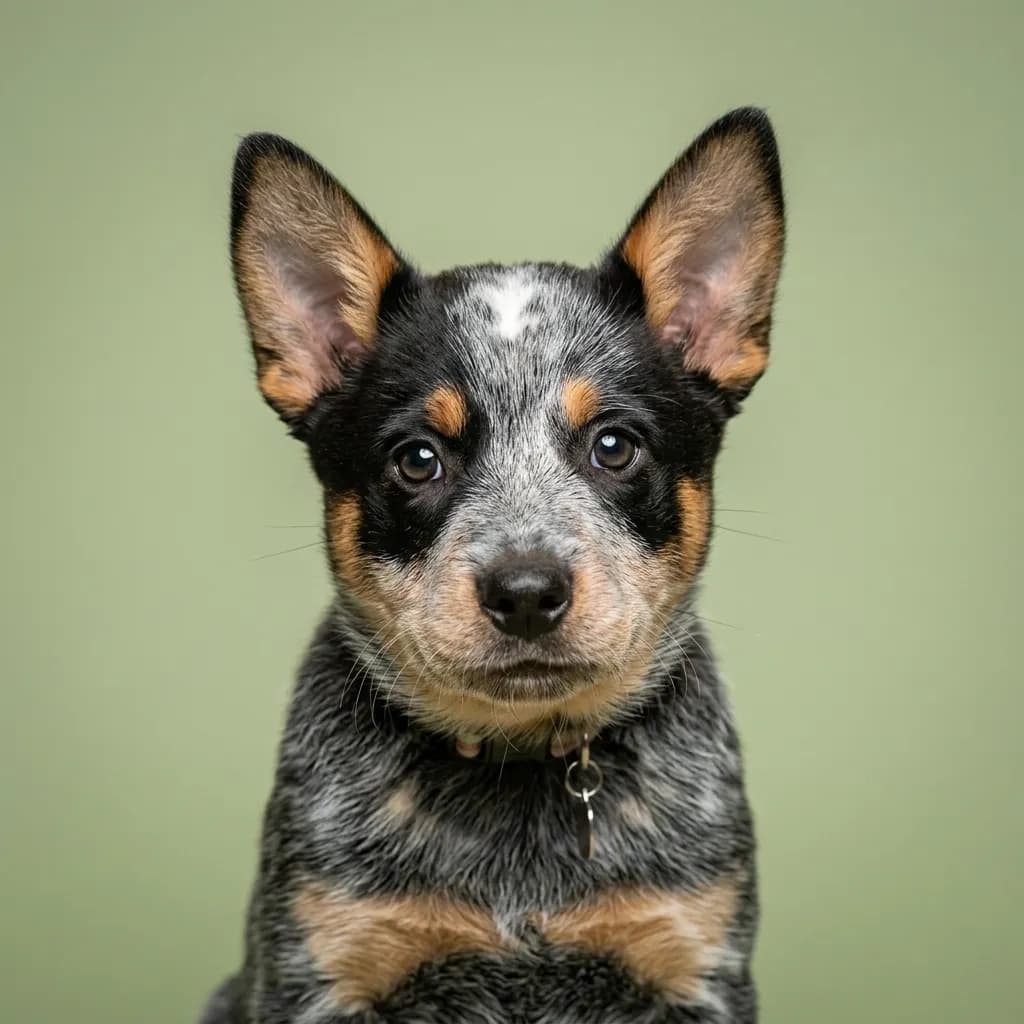
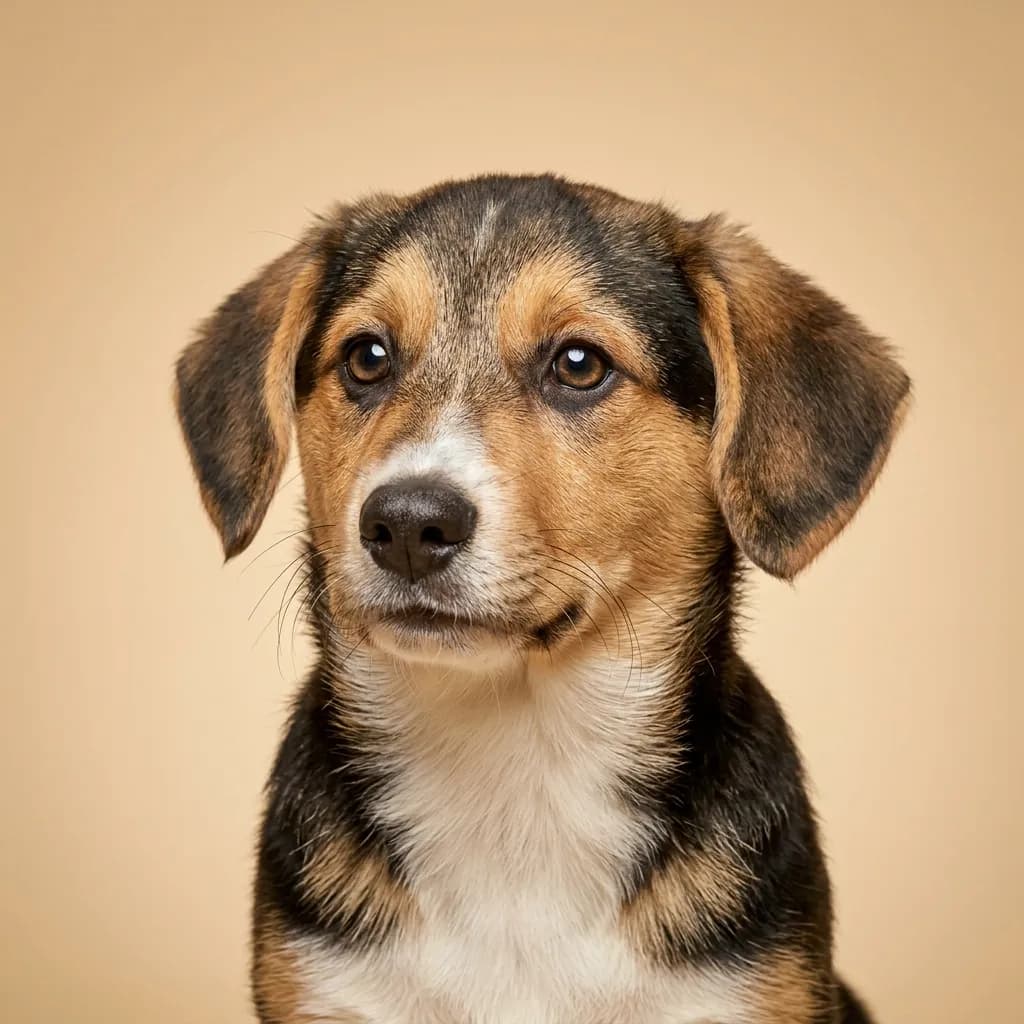
People compare Australian Cattle Dogs and Drevers because both are mid-sized, active breeds with short coats and a knack for working outdoors. But that’s where the similarities end. If you’re torn between them, what you’re really deciding is whether you want a relentless, high-octane partner in mental puzzles and physical endurance, or a steady, nose-to-the-ground tracker with a calm heart and a loud voice. The Cattle Dog is all fire and focus. Developed to move cattle across scorched Australian plains, this dog won’t just keep up with your trail runs, it’ll want five more miles. It thrives on tasks, learns fast, and bonds intensely. But it’s not always easy with kids, and left alone too long, it might dismantle your coffee table out of sheer boredom. You need time, experience, and energy to match. The Drever, on the other hand, was built for the Nordic woods, quietly herding deer through thick forests. It’s loyal and even-tempered, great with kids, and surprisingly trainable, though it’ll bay when it catches a scent. so skip this breed if you live near thin walls or noise-sensitive neighbors. It’s adaptable to cold climates and family life, but not quite the competitive sport machine the Cattle Dog is. Here’s the real difference: the Cattle Dog needs a job to feel complete. The Drever just wants to be part of your day. An honest insight? The Drever’s quiet determination can fool you into thinking it’s low-maintenance. It’s not. That bark is loud and frequent, and once it’s on a scent trail, recall becomes a suggestion. Both breeds demand commitment, just in different languages. one speaks in intensity, the other in persistence.
Trait-by-trait
Higher bar = more of that trait. Shedding, barking, drooling, grooming flipped for readability.Where they diverge
Choose the Australian Cattle Dog if…
- Active people
- Outdoor enthusiasts
- Experienced owners
- You value watchdog / protective — Australian Cattle Dog scores noticeably higher.
Choose the Drever if…
- hunters
- active families in cold climates
- outdoor adventurers
- You value barking level — Drever scores higher here.