Australian Kelpie vs Karelian Bear Dog
Side-by-side comparison across all 14 AKC trait ratings, with a clear verdict on which breed fits which kind of household.
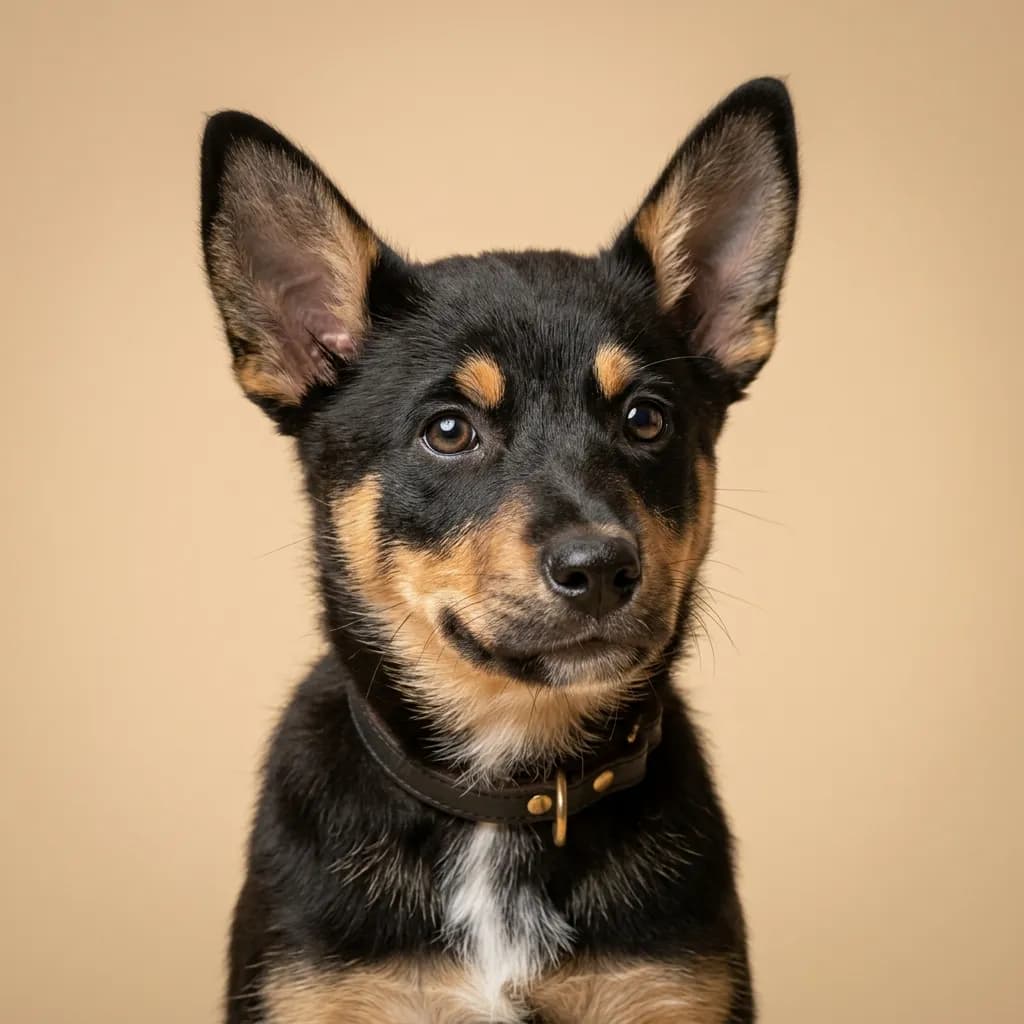
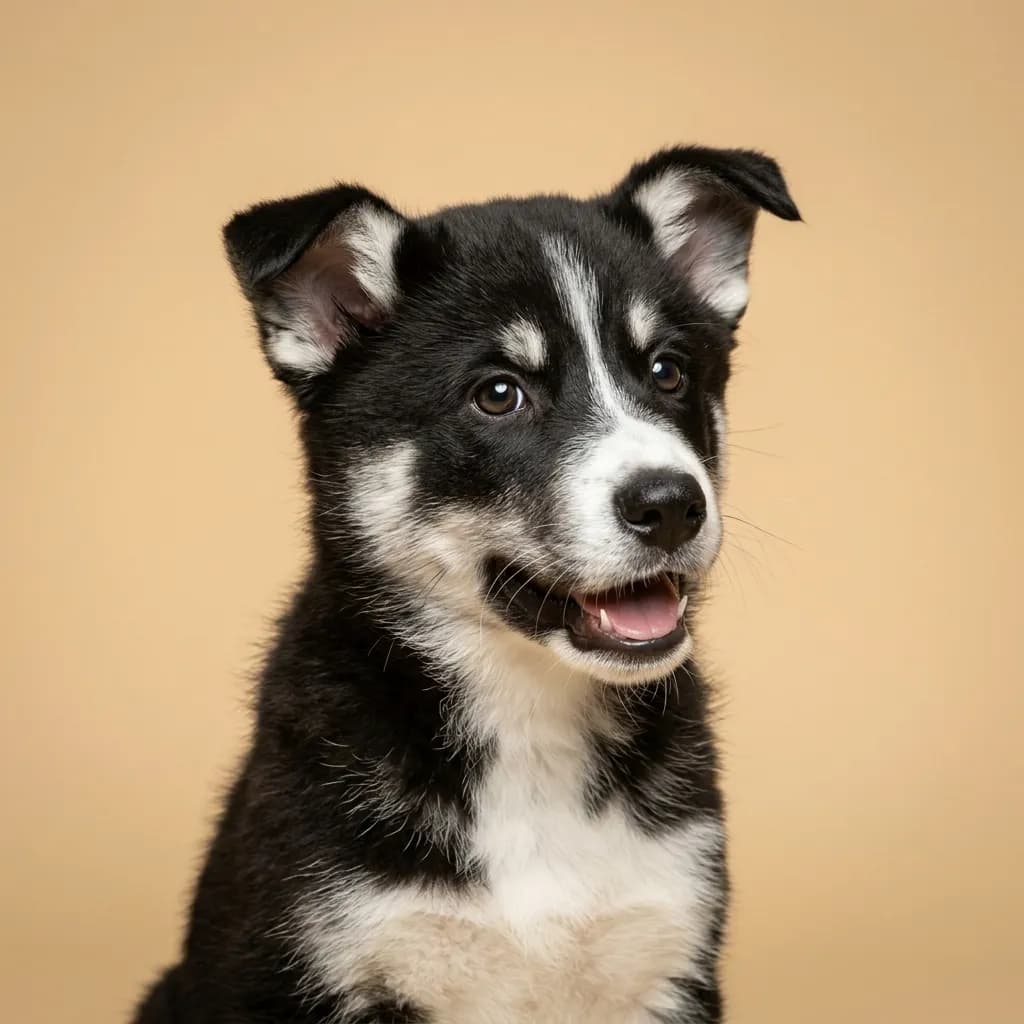
Not sure which breed fits your life?
Answer five questions about your home, your schedule, and your tolerance for shedding. We’ll match you to your top three breeds from over 200.
Australian Kelpie vs Karelian Bear Dog
People compare the Australian Kelpie and Karelian Bear Dog because both are compact, tough, and bred for extreme jobs in wild landscapes. But that’s where the similarity ends. One’s built to cover 30 miles a day on a sheep station; the other was forged in Finnish forests to stare down bears. Choosing between them isn’t about preference. it’s about purpose. The Kelpie lives to work. You’ve got to give it a job, or it’ll invent one. like herding your kids or tearing up your backyard. It’s hyper-attentive, deeply bonded, and thrives on mental puzzles and physical grind. If you’re into agility, flyball, or long trail runs, the Kelpie’s your partner. But don’t expect a couch potato. This dog doesn’t know how to chill. The Karelian Bear Dog is a different beast entirely. Calmer in energy but higher in intensity, it’s independent by design. It doesn’t need to be told twice, but it also doesn’t care if you’re the boss. Bred to track and confront bears solo, it’s fearless to a fault. That makes it a nightmare in homes with other pets or curious toddlers. It’s not aggressive without cause, but it won’t back down when it thinks there is one. Here’s the truth the breeders won’t lead with: the Kelpie’s biggest flaw is boredom, but the Karelian’s is its unshakeable instincts. You can train a Kelpie to live in suburbia. barely. You can’t train a Karelian to ignore its wiring. It will always watch the treeline. Pick the Kelpie if you want a tireless companion who lives for your attention. Pick the Karelian only if you understand that you’re not getting a pet. you’re managing a working predator.
Trait-by-trait
Higher bar = more of that trait. Shedding, barking, drooling, grooming flipped for readability.Where they diverge
Choose the Australian Kelpie if…
- working farms and ranches
- very active owners
- canine sport enthusiasts
- You value good with young children — Australian Kelpie scores noticeably higher.
Choose the Karelian Bear Dog if…
- Experienced dog owners
- Hunters of large game
- Cold climates
- You value coat grooming — Karelian Bear Dog scores higher here.