Australian Kelpie vs Papillon
Side-by-side comparison across all 14 AKC trait ratings, with a clear verdict on which breed fits which kind of household.

Not sure which breed fits your life?
Answer five questions about your home, your schedule, and your tolerance for shedding. We’ll match you to your top three breeds from over 200.
Australian Kelpie vs Papillon
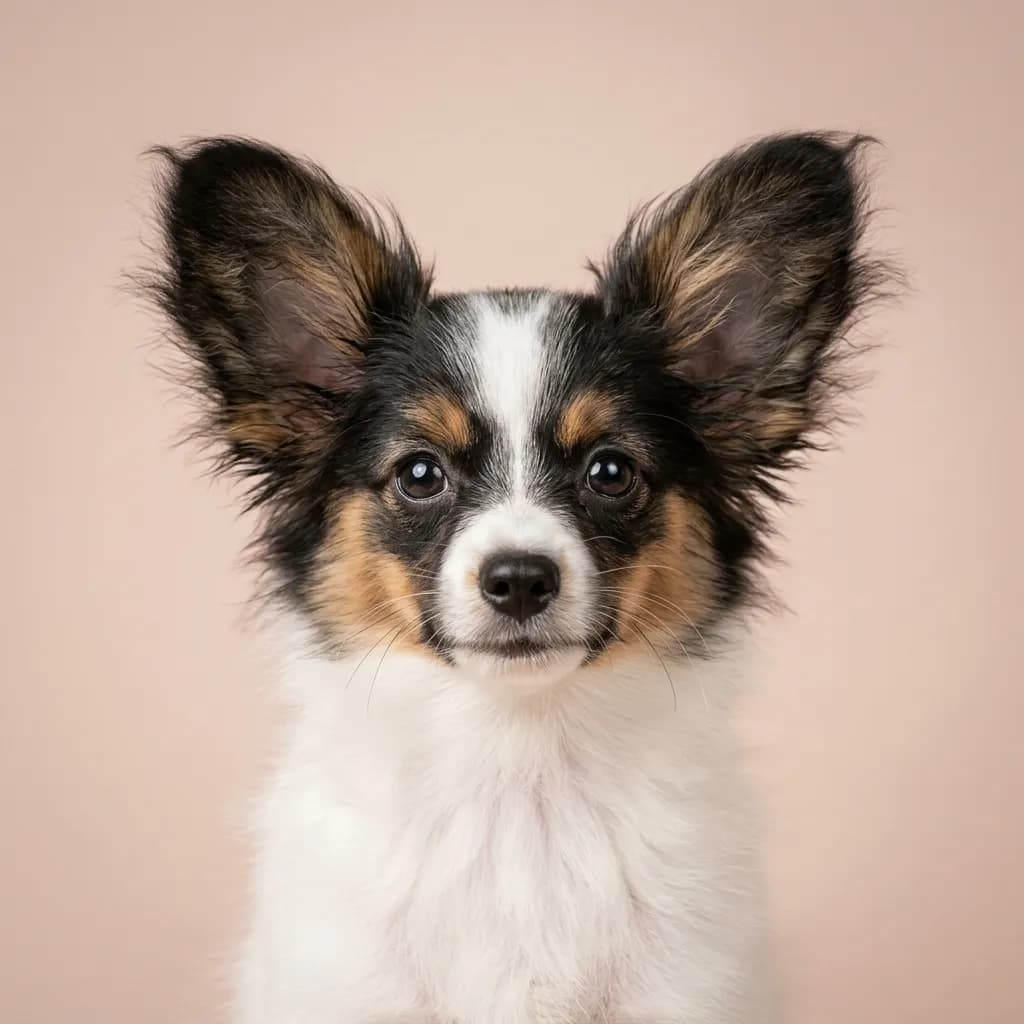
People compare the Australian Kelpie and the Papillon because both are whip-smart, high-energy dogs that thrive on training and connection. but that’s where the similarities end. One was born to cover 30 miles a day on a sheep station, the other to charm nobility from a velvet cushion. Choosing between them isn’t about preference for fluff or focus. It’s about your life. The Kelpie is a force of nature. At 50 pounds of coiled muscle and intent, this dog lives to work. You don’t just “take it for a walk”. you commit to serious physical and mental output, every single day. Without it, you’ll get chewed shoes, fence breaches, and obsessive circling of your kids like livestock. They bond fiercely, but on their terms. Great with older, respectful kids? Sure. Tolerant of toddlers? Not a chance. And if you live in an apartment or just want a casual weekend hike, this isn’t your dog. The Papillon, tiny and butterfly-eared, packs that same brainpower in a portable, adaptable frame. They’re alert to the point of suspicion, vocal without apology, and thrive in apartments or houses as long as they’re with you. They’re true companion animals. affectionate, nimble, and eager to learn tricks, rally, or agility. But don’t be fooled by the size. This isn’t a couch potato in a pretty coat. They want involvement, not domination. Here’s the truth the breed standards won’t tell you: both dogs demand engagement, but the Kelpie needs a job, while the Papillon needs a relationship. Pick the Kelpie if you run 10 miles a week and want a partner, not a pet. Pick the Papillon if you want a tiny genius who’ll learn 50 commands and still curl up on your lap. just don’t expect silence or space.
Trait-by-trait
Higher bar = more of that trait. Shedding, barking, drooling, grooming flipped for readability.Where they diverge
Choose the Australian Kelpie if…
- working farms and ranches
- very active owners
- canine sport enthusiasts
- You value energy level — Australian Kelpie scores noticeably higher.
Choose the Papillon if…
- Apartment living
- Active owners
- Families with older children
- You value barking level — Papillon scores higher here.