Australian Kelpie vs Pekingese
Side-by-side comparison across all 14 AKC trait ratings, with a clear verdict on which breed fits which kind of household.
Not sure which breed fits your life?
Answer five questions about your home, your schedule, and your tolerance for shedding. We’ll match you to your top three breeds from over 200.
Australian Kelpie vs Pekingese
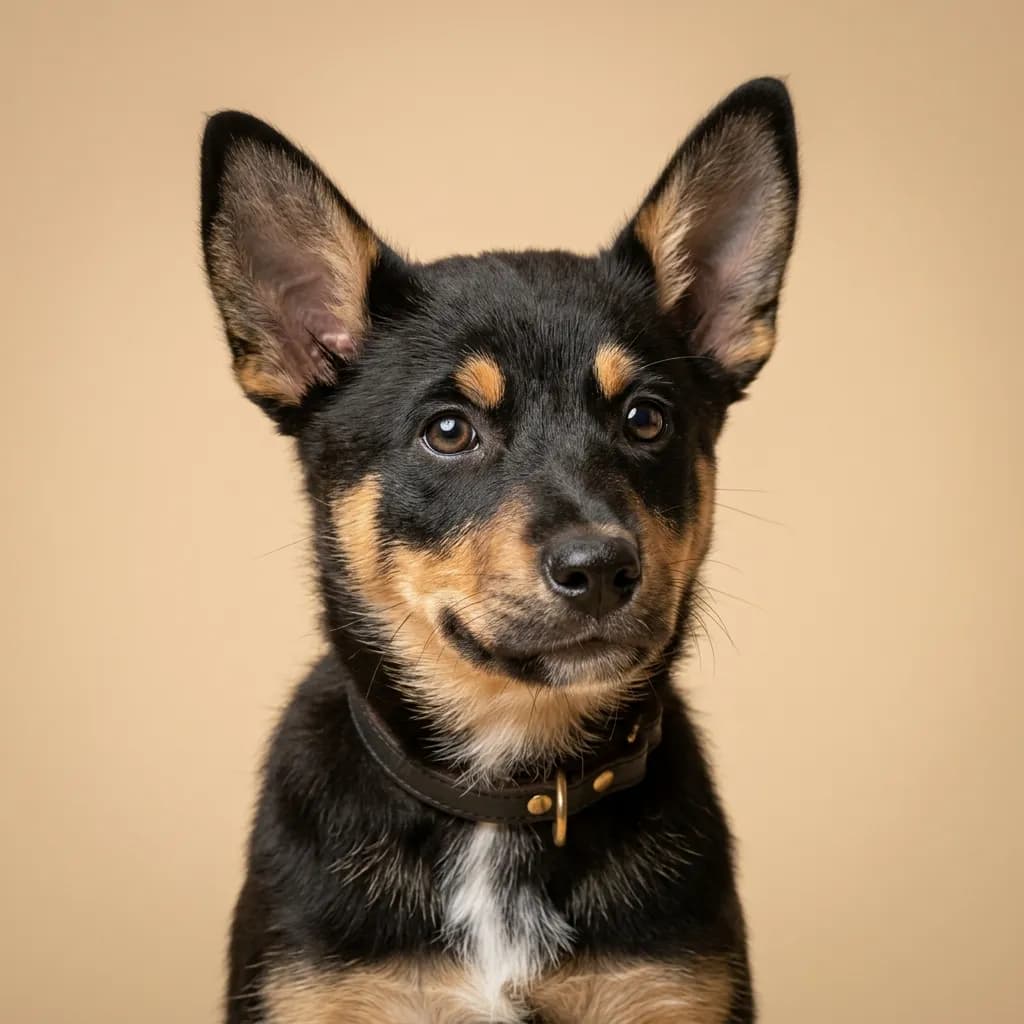
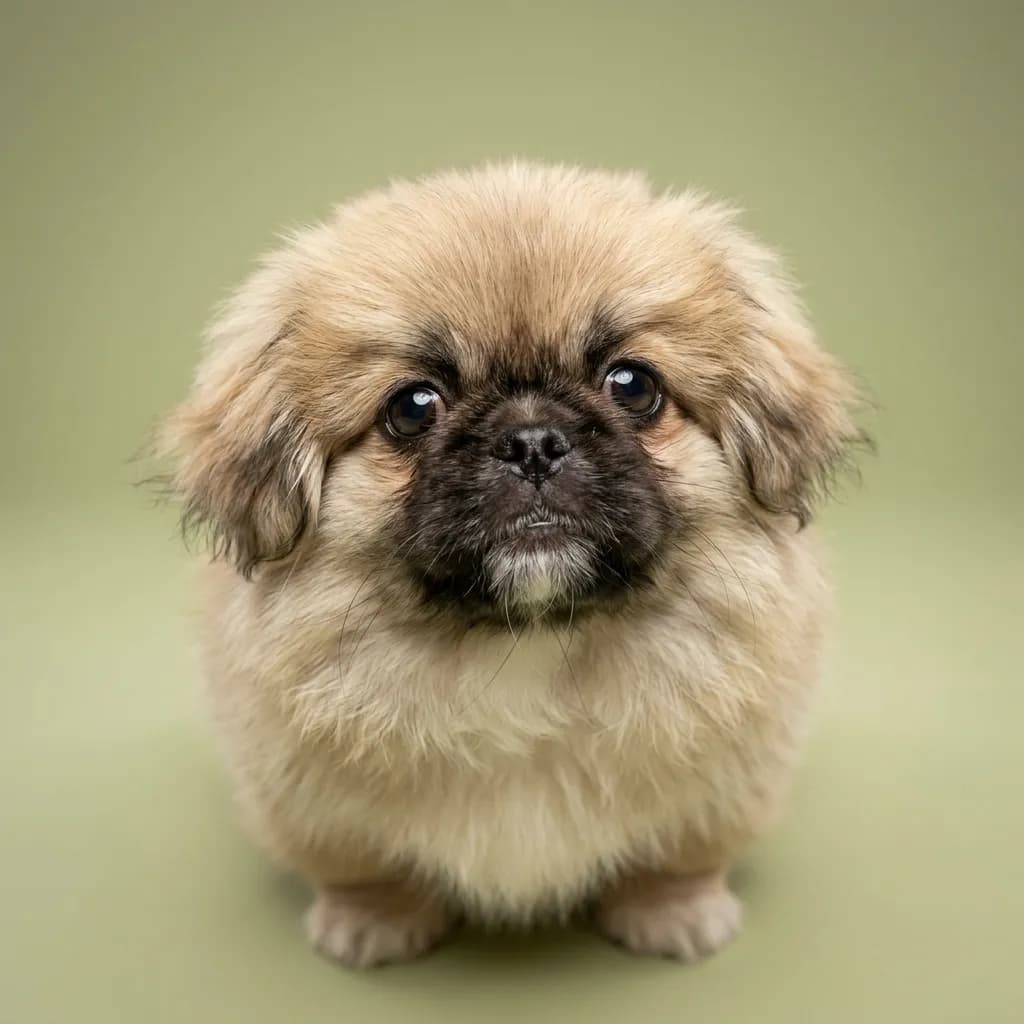
People compare the Australian Kelpie and Pekingese because they’re both loyal and affectionate in their own ways, and both have strong opinions about their people. But that’s where the similarities end. You’re not choosing between two dogs here. you’re choosing between two entire lifestyles. The Kelpie is a high-drive athlete built for 20-mile workdays under the Australian sun. These dogs think in problems and solutions, and if you don’t give them a job. agility, herding, long trail runs. they’ll invent their own, like dismantling your backyard or learning how to open cabinets by 7 a.m. They’re not loud barkers, but they’re constantly observing, calculating. Good with kids? Only if those kids can keep up on a 5-mile hike. They’re not for the casual dog owner. You’ll need time, space, and energy to match theirs. or you’ll end up with a brilliant dog in constant meltdown. The Pekingese is the opposite. They’re bred for silk cushions, not sheep. They move slowly, breathe noisily, and prefer to judge your life from the safety of your lap. They don’t need walks. They need dignity, routine, and a cool room in summer. because their flat faces make heat deadly. They’re deeply affectionate, but on their terms. A toddler grabbing their fur will not end well. They’re not trainable in the typical sense; they’ll consider your request, then decide whether to comply. Here’s the real talk: the Kelpie will change how you live. The Pekingese will not. If you want a dog to match your current life, get the Pekingese. If you want a dog to push you into a more active, intentional life, get the Kelpie. Just don’t pretend you can have both in one body.
Trait-by-trait
Higher bar = more of that trait. Shedding, barking, drooling, grooming flipped for readability.Where they diverge
Choose the Australian Kelpie if…
- working farms and ranches
- very active owners
- canine sport enthusiasts
- You value energy level — Australian Kelpie scores noticeably higher.
Choose the Pekingese if…
- Apartment living
- Seniors
- Singles or couples
- You value coat grooming — Pekingese scores higher here.