Australian Kelpie vs Pomeranian
Side-by-side comparison across all 14 AKC trait ratings, with a clear verdict on which breed fits which kind of household.
Not sure which breed fits your life?
Answer five questions about your home, your schedule, and your tolerance for shedding. We’ll match you to your top three breeds from over 200.
Australian Kelpie vs Pomeranian
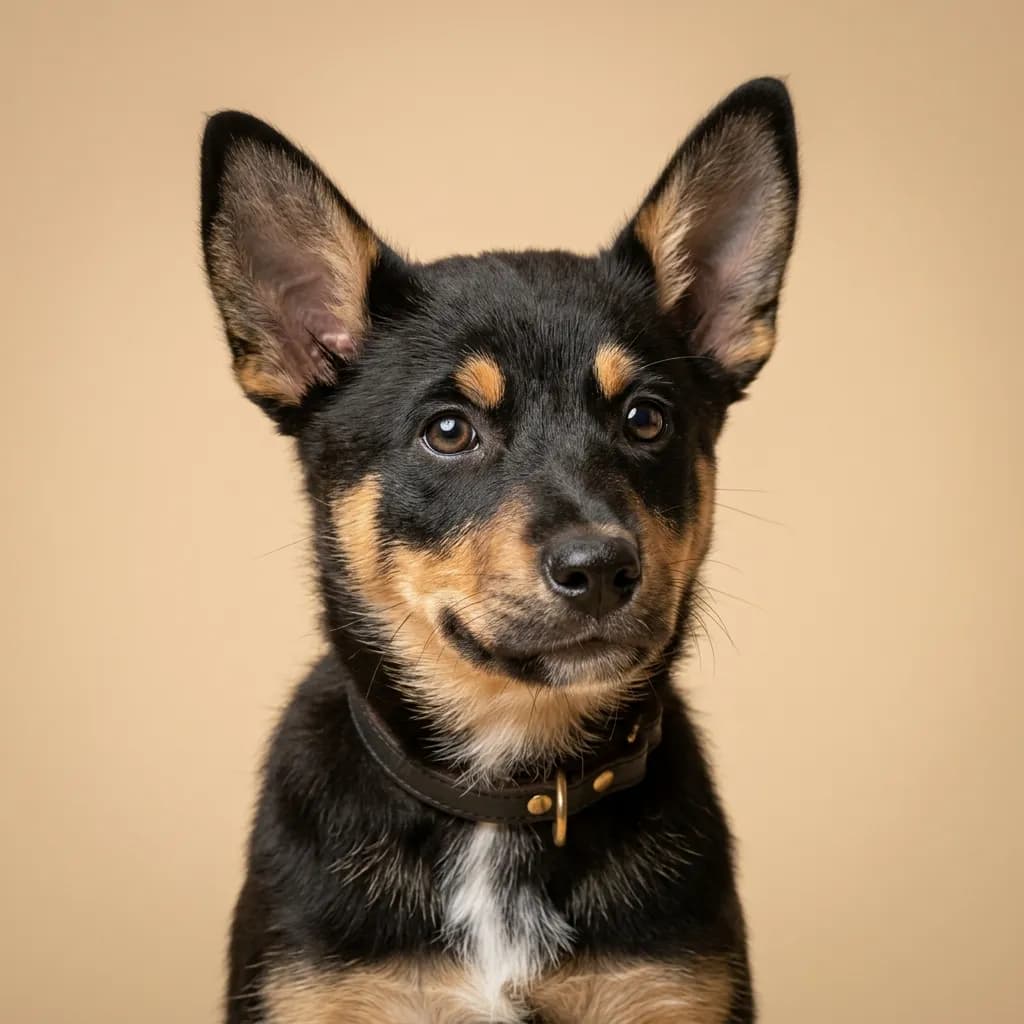
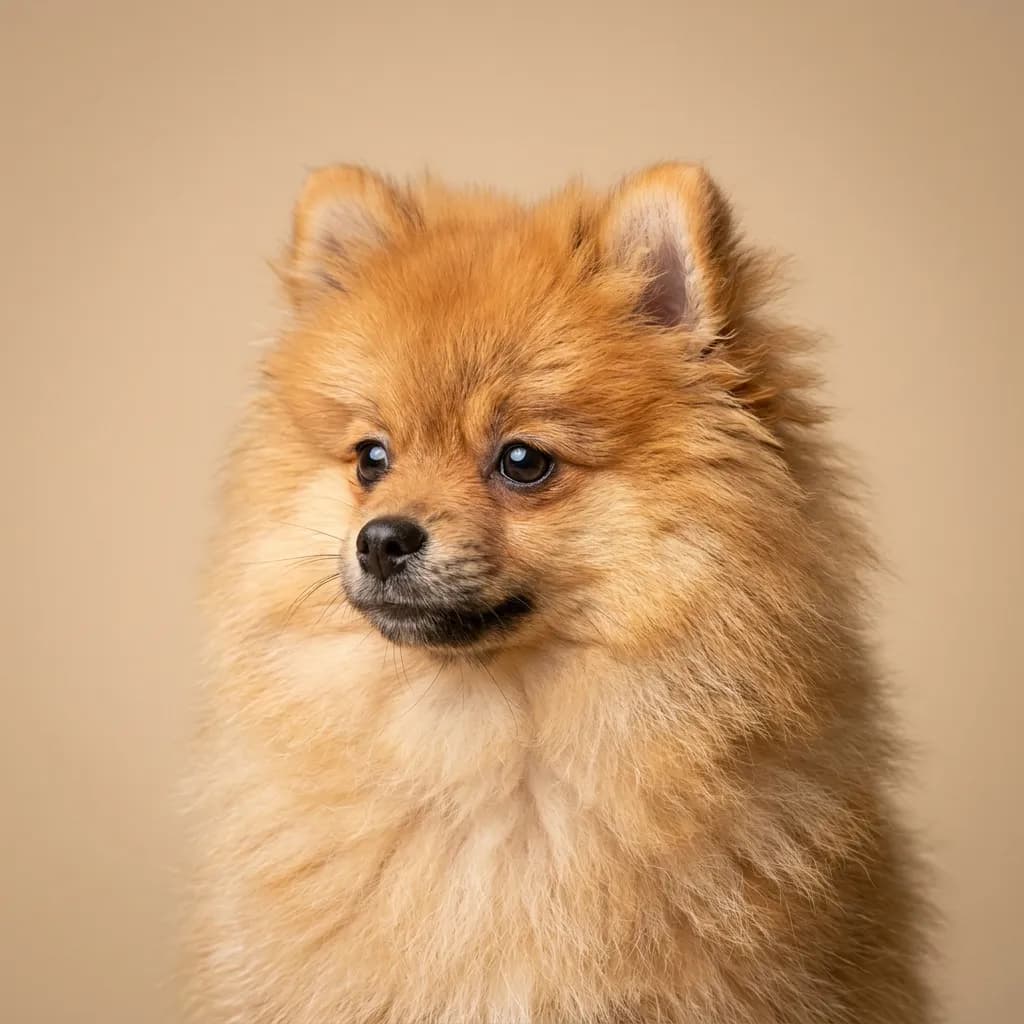
People compare the Australian Kelpie and Pomeranian because they’re both energetic, smart, and loyal in their own ways. but that’s where the similarities end. One was built to outrun a kangaroo across the Outback, the other was bred to sit in a royal lap. It's not really a fair fight, but it is a telling choice between lifestyle and love language. The Kelpie is a lean, 50-pound athlete built for motion. You’re not just getting a dog. you’re signing up for a full-time job. This isn’t a pet for weekend walks. It needs miles of movement, complex tasks, or dog sports like agility or herding trials. Without it, expect destruction, not nap time. They’re deeply loyal and incredibly smart, but that intelligence means they’ll test you if bored. They’re good with kids, but only if those kids aren’t toddlers. Kelpies have herding instincts and might nip at running feet. The Pomeranian, meanwhile, weighs less than a bowling ball. Bold and feisty, they’re alarm systems with fur. They’ll bond fiercely to one person and alert you to every leaf that falls outside. They’re adaptable to city life and great for seniors, but their tiny frames don’t do well with rough handling. so skip them if you’ve got preschoolers. And while they need less physical exercise, they still want engagement. Ignore them, and you’ll get barking, not burnout. Here’s the real talk: the Kelpie doesn’t care if you’re home. It cares if you’re working. The Pomeranian doesn’t care what you’re doing. as long as you’re doing it with them. Pick the Kelpie if you need a partner in motion. Pick the Pomeranian if you want a shadow with opinions.
Trait-by-trait
Higher bar = more of that trait. Shedding, barking, drooling, grooming flipped for readability.Where they diverge
Choose the Australian Kelpie if…
- working farms and ranches
- very active owners
- canine sport enthusiasts
- You value energy level — Australian Kelpie scores noticeably higher.
Choose the Pomeranian if…
- Apartment living
- Seniors or retirees
- Those wanting an alert watchdog
- You value barking level — Pomeranian scores higher here.