Australian Kelpie vs Schipperke
Side-by-side comparison across all 14 AKC trait ratings, with a clear verdict on which breed fits which kind of household.
Not sure which breed fits your life?
Answer five questions about your home, your schedule, and your tolerance for shedding. We’ll match you to your top three breeds from over 200.
Australian Kelpie vs Schipperke
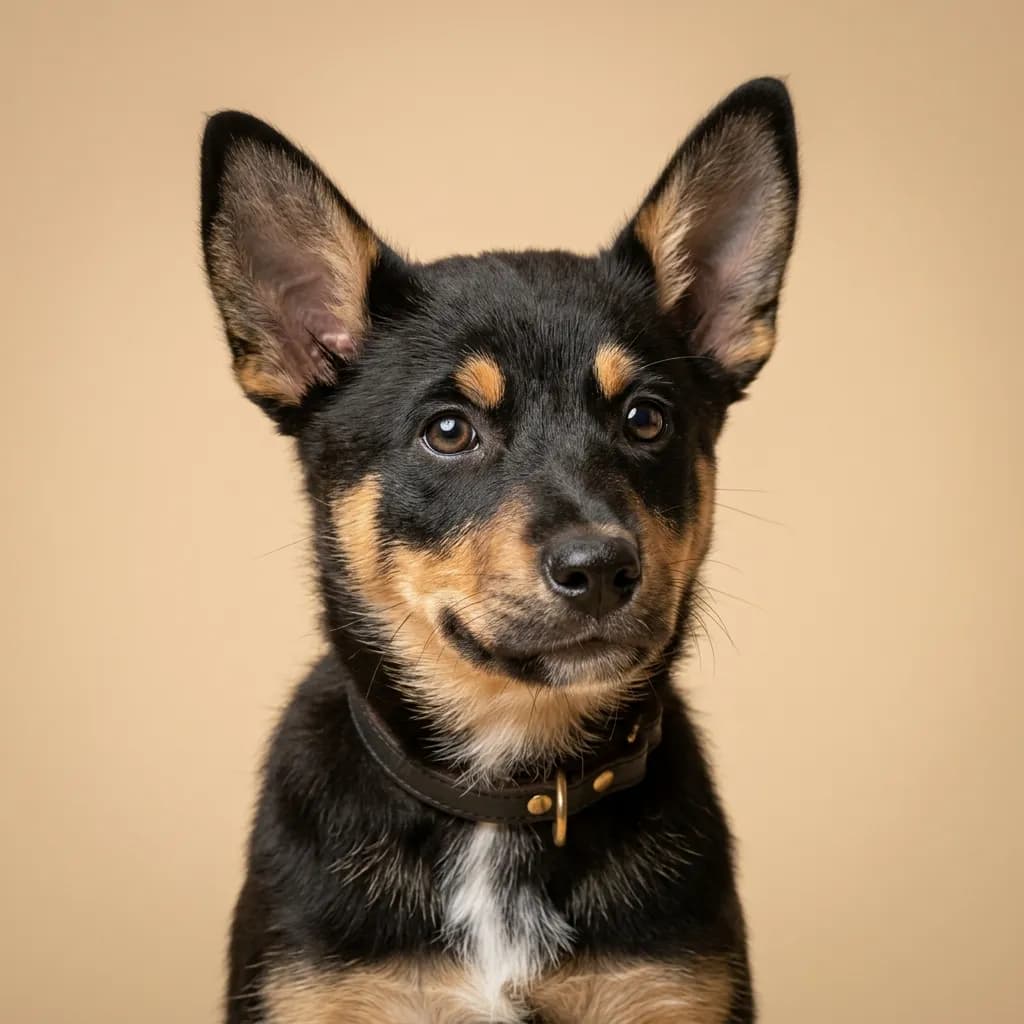
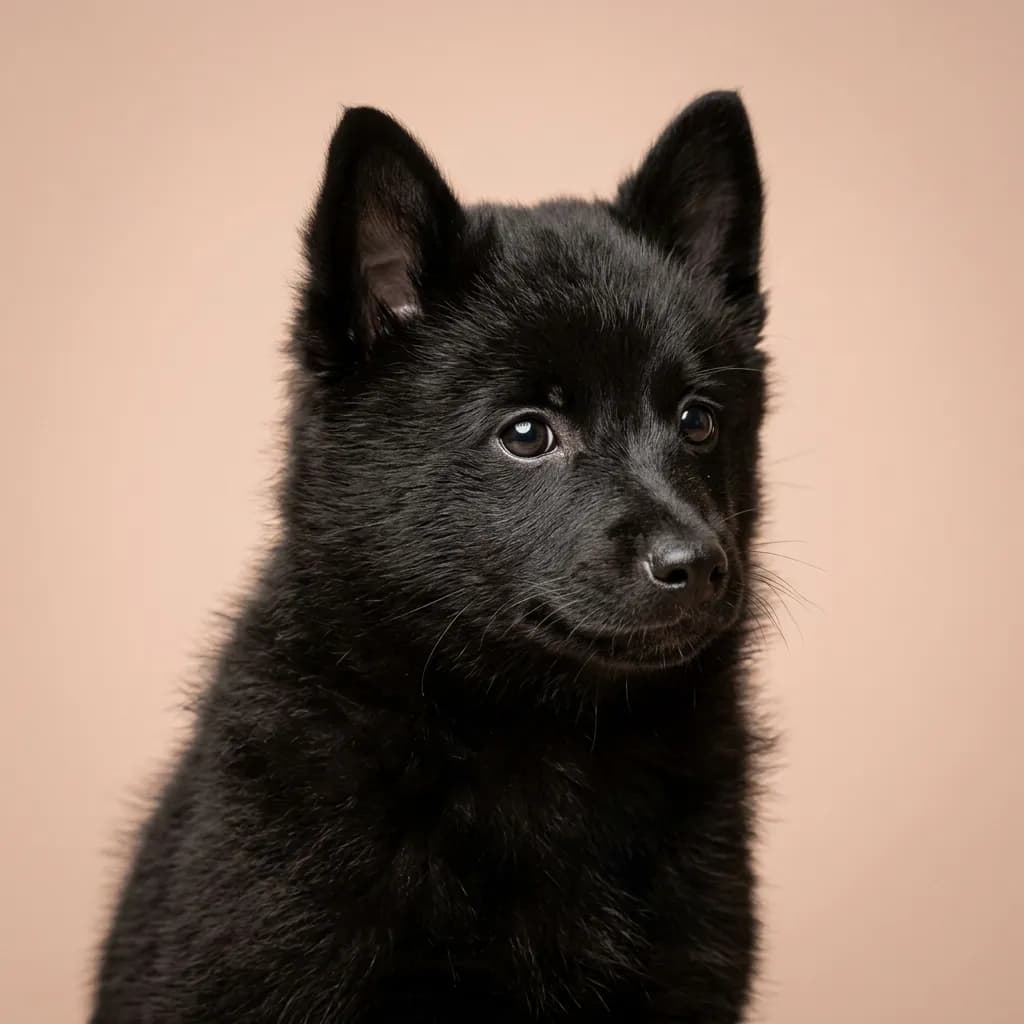
People compare the Australian Kelpie and the Schipperke because both are alert, intelligent dogs with a bold presence, but that’s where the similarities end. One’s a lean, driven athlete built for open land and endless motion, the other a compact, mischievous little sentinel with a lion’s heart in a lapdog frame. Choosing between them isn’t just preference. it’s lifestyle. The Kelpie is a working machine, bred to cover miles in the Australian heat, herding sheep with precision and stamina. This dog needs a job, whether it’s agility, flyball, or actual farm work. You’ll give it structure, serious exercise, and mental challenges. or you’ll pay for it in chewed furniture and escape attempts. They’re loyal to their people but not for snuggling on the couch. At 50 pounds and with energy dialed to 11, they’re too much dog for an apartment, and their reserved nature with kids makes them better for homes with older, respectful children. The Schipperke, meanwhile, weighs just 12 pounds but acts like it runs the block. Fearless and curious, they were bred to guard boats and chase rats, so they bark at everything and love to investigate. They adapt better to small homes and suburban life, but don’t let the size fool you. they’re not a lapdog. They’re affectionate with their people, bold to a fault, and will test your training patience with their stubborn streak. Here’s the real talk: the Kelpie will outwork you if you’re not careful. The Schipperke will outwit you. Pick the Kelpie if you’re active and want a partner in motion. Pick the Schipperke if you want a tiny watchdog with outsized personality and don’t mind the noise.
Trait-by-trait
Higher bar = more of that trait. Shedding, barking, drooling, grooming flipped for readability.Where they diverge
Choose the Australian Kelpie if…
- working farms and ranches
- very active owners
- canine sport enthusiasts
- You value energy level — Australian Kelpie scores noticeably higher.
Choose the Schipperke if…
- Active owners
- Those wanting a small but bold breed
- Suburban or rural settings
- You value barking level — Schipperke scores higher here.