Australian Shepherd vs Kishu Ken
Side-by-side comparison across all 14 AKC trait ratings, with a clear verdict on which breed fits which kind of household.
Not sure which breed fits your life?
Answer five questions about your home, your schedule, and your tolerance for shedding. We’ll match you to your top three breeds from over 200.
Australian Shepherd vs Kishu Ken
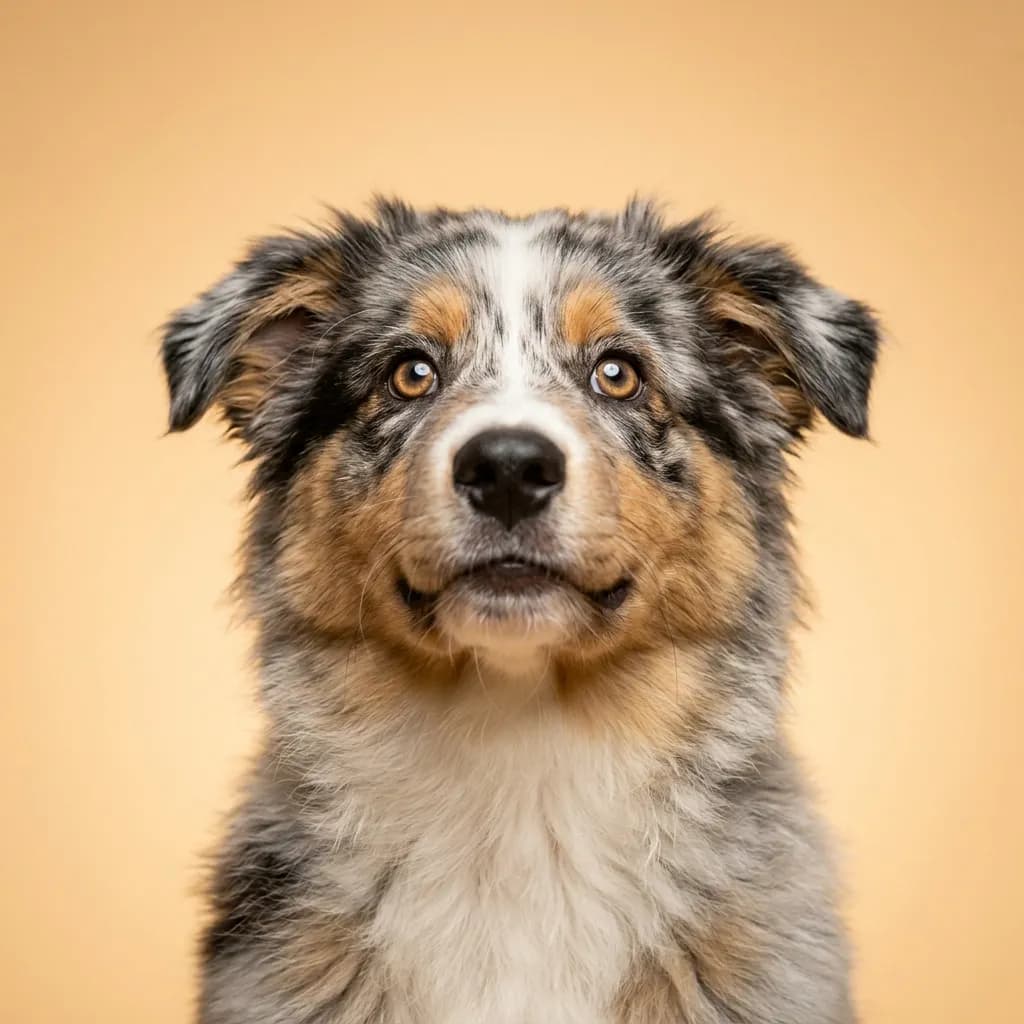
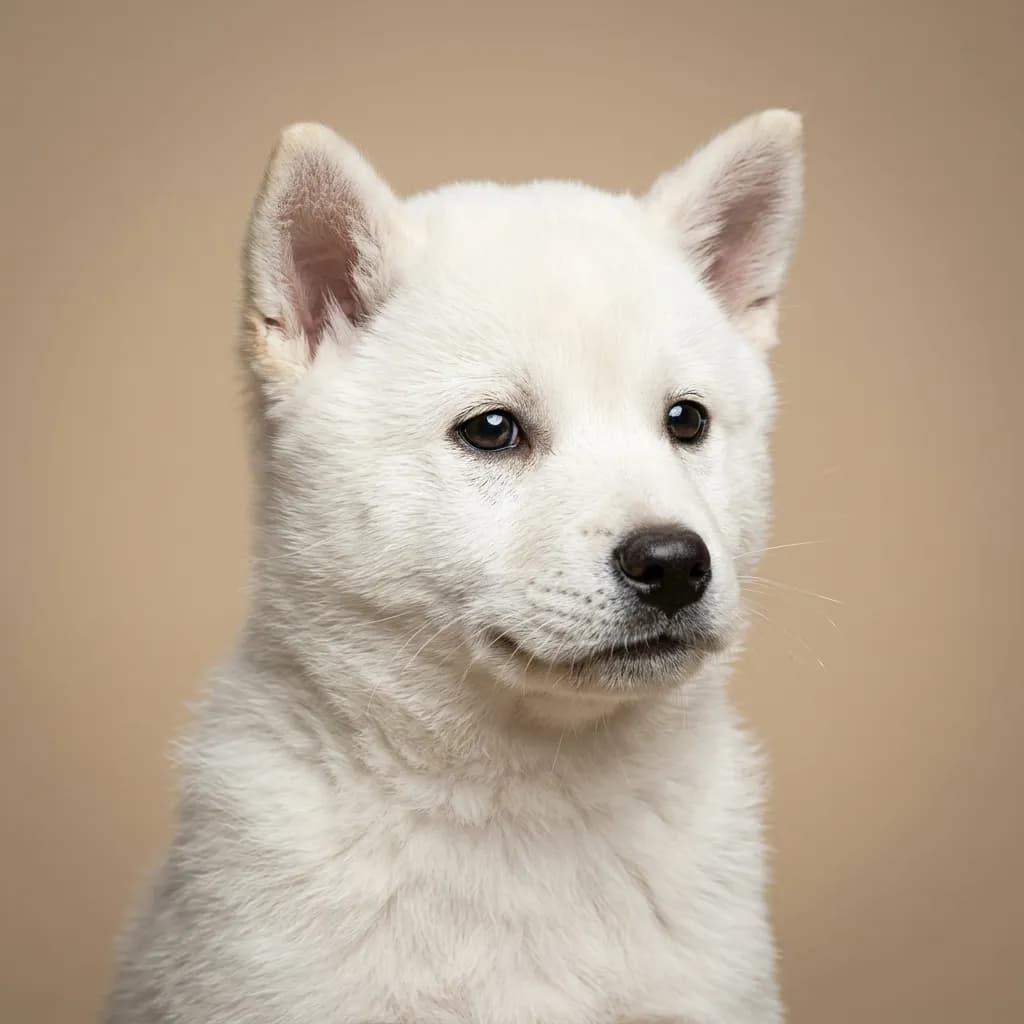
People compare Australian Shepherds and Kishu Kens because both are medium-sized, alert, and look deceptively manageable at first glance. But that’s where the similarity ends. Think of it like this: the Aussie is your hyper-organized friend who color-codes their calendar and runs marathons for fun, while the Kishu is the quiet, intense one who lives off-grid and only speaks when they have something important to say. If you’re active, have kids, and want a dog that thrives on agility classes, hiking, and family chaos, the Aussie will fit right in. They’re eager to please, deeply bonded, and will work themselves silly for you. But you’ll pay for that energy with time, not just money. They need jobs, period. Without structure, they’ll reorganize your sock drawer. literally. The Kishu, on the other hand, was bred to stalk through mountain forests in Japan, taking down wild boar solo. That independence means they won’t beg for praise. They’re loyal in a reserved, dignified way, and they’re not big on barking or clowning around. But they’re not a cuddle puddle. They’re aloof with strangers, wary of small animals, and can be stubborn as granite when they decide they’re not doing something. Here’s the real talk: Aussies need mental stimulation like oxygen, but Kishus need respect for their autonomy. You don’t train a Kishu so much as negotiate with them. And while both can live in cold climates, the Kishu’s self-reliance makes them better suited to rural, experienced handlers who understand canine aloofness isn’t a flaw. Pick an Aussie if you want a partner in adventure who’s always “on.” Pick a Kishu if you value quiet strength and can handle a dog that loves you on their terms.
Trait-by-trait
Higher bar = more of that trait. Shedding, barking, drooling, grooming flipped for readability.Where they diverge
Choose the Australian Shepherd if…
- Active people
- Families
- Dog sports enthusiasts
- You value good with young children — Australian Shepherd scores noticeably higher.
Choose the Kishu Ken if…
- Experienced dog owners
- Active owners
- Cold climates
- You value good with strangers — Kishu Ken scores higher here.