Australian Shepherd vs Papillon
Side-by-side comparison across all 14 AKC trait ratings, with a clear verdict on which breed fits which kind of household.

Not sure which breed fits your life?
Answer five questions about your home, your schedule, and your tolerance for shedding. We’ll match you to your top three breeds from over 200.
Australian Shepherd vs Papillon
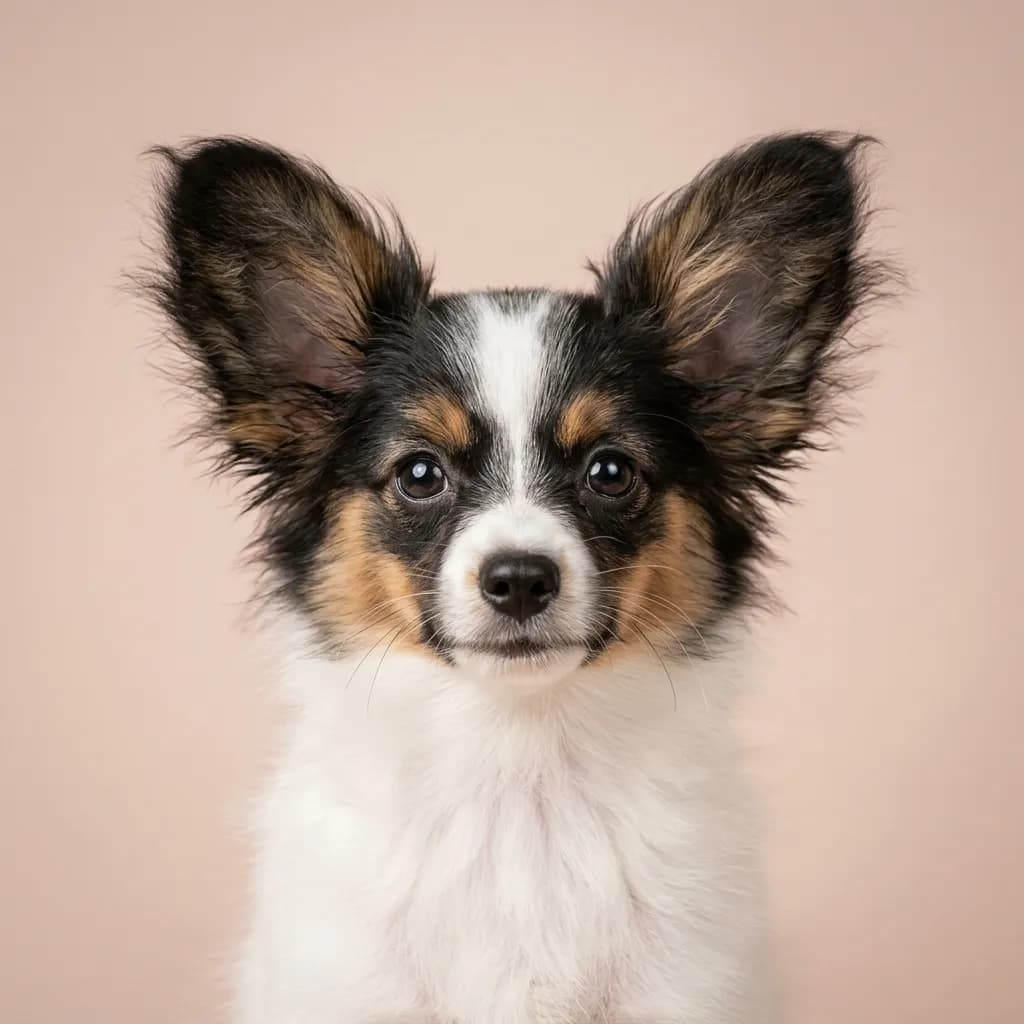
People compare Australian Shepherds and Papillons because both are brainy, energetic dogs that thrive on training and connection. At first glance, they seem like opposites. one a ranch-raised herding dynamo, the other a delicate-looking lapdog with butterfly ears. But dig deeper and you’ll find they share a hunger for mental work and a love of games. The real difference? What they do with that energy and who can keep up. An Aussie isn’t just active, it’s driven. This is a dog that needs a job, whether that’s agility, hiking 10 miles, or advanced obedience. You don’t own an Australian Shepherd. you train it, every single day. Without that outlet, you’ll get chewed shoes and shadow-chasing at 3 a.m. They’re loyal and great with kids, but their idea of play often means rounding them up. They’re also bigger, shedding more than you’d think, and prone to serious genetic health issues like MDR1 drug sensitivity. something you must test for. The Papillon, meanwhile, packs that same intelligence into a 7-pound frame. They’re fearless, alert, and bark at everything. which can be a nightmare in an apartment if you’re not diligent about training. But they adapt. They’re happy on a city balcony or a country porch. They bond deeply and travel easily, though their tiny size means they’re better with older kids who won’t accidentally step on them. Here’s the truth beyond the stats: both breeds suffer without mental challenge, but the Papillon will forgive a slow day. The Aussie won’t. If you’re honest about your lifestyle. if you hike, work from home, or do dog sports, go Aussie. If you want a clever, portable companion who’s happy learning tricks on a rainy Tuesday, the Papillon will steal your heart without taking over your life.
Trait-by-trait
Higher bar = more of that trait. Shedding, barking, drooling, grooming flipped for readability.Where they diverge
Choose the Australian Shepherd if…
- Active people
- Families
- Dog sports enthusiasts
- You value energy level — Australian Shepherd scores noticeably higher.
Choose the Papillon if…
- Apartment living
- Active owners
- Families with older children
- You value affectionate w/ family — Papillon scores higher here.