Australian Stumpy Tail Cattle Dog vs Shiba Inu
Side-by-side comparison across all 14 AKC trait ratings, with a clear verdict on which breed fits which kind of household.
Not sure which breed fits your life?
Answer five questions about your home, your schedule, and your tolerance for shedding. We’ll match you to your top three breeds from over 200.
Australian Stumpy Tail Cattle Dog vs Shiba Inu
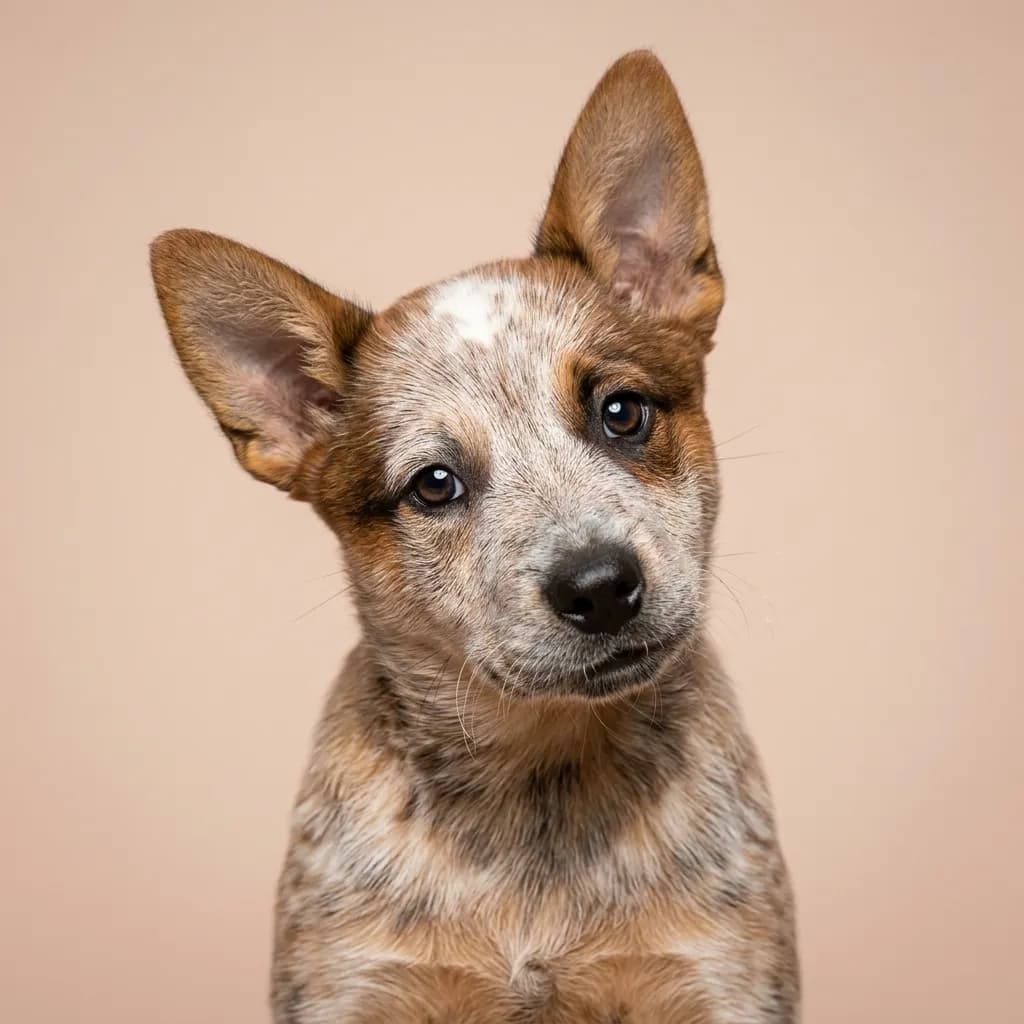
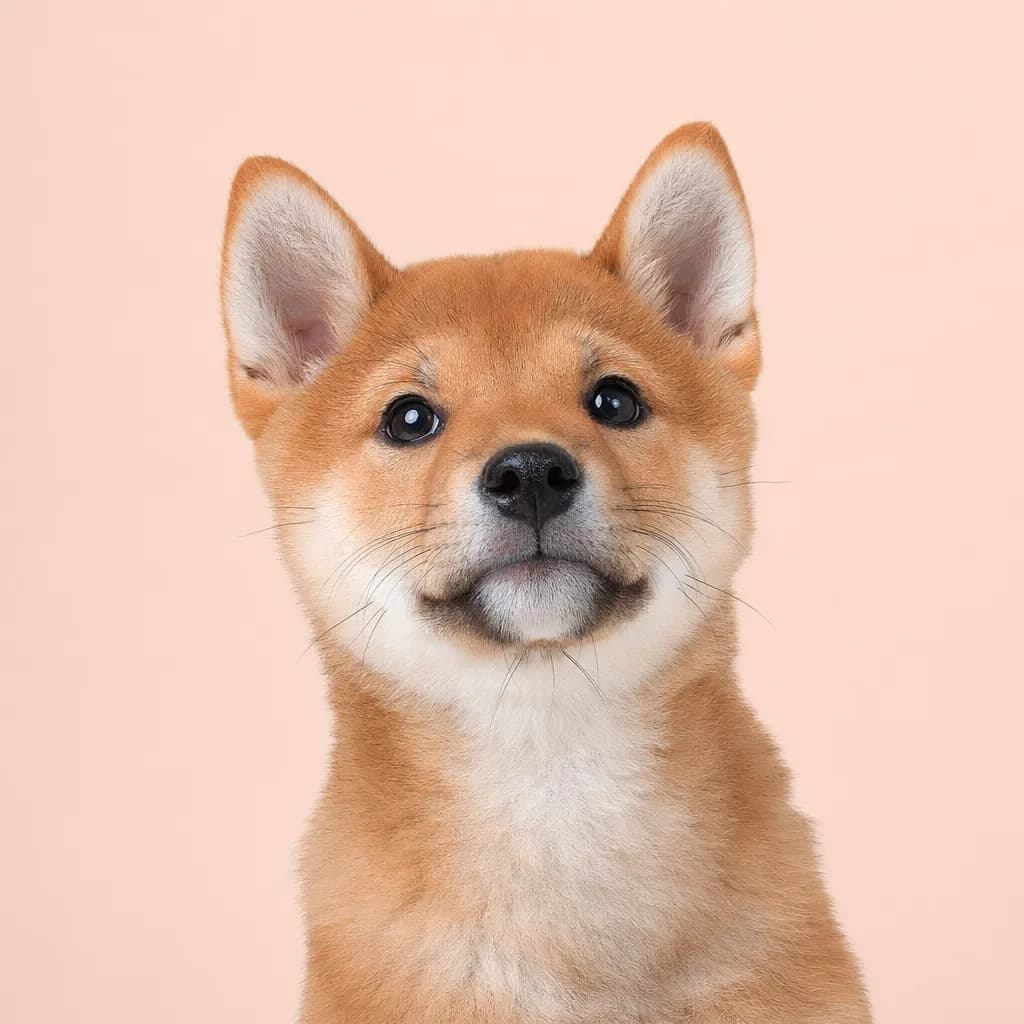
People compare the Australian Stumpy Tail Cattle Dog and the Shiba Inu because they’re both compact, alert, and built for rugged terrain, with fox-like faces and independent streaks. But that’s where the similarities end. If you’re torn between them, you’re really asking: do you want a tireless worker or a dignified survivor? The Stumpy is a high-octane farmhand. Bred to move cattle across vast Australian outback, this dog lives for purpose. It’s got energy that won’t quit and needs serious physical and mental work. think hours of activity, not just a walk. It’s moderately affectionate and can be good with kids if raised with them, but it’s not a cuddler. You’ll need space, experience, and a job for it to do. Without that, you’ll get a frustrated dog with destructive habits. The Shiba? It’s more cat than dog. aloof, fastidiously clean, and famously stubborn. It’s less energetic than the Stumpy but just as mentally demanding. Training a Shiba is like negotiating with a toddler who’s read Machiavelli. They’re affectionate on their terms, not yours. But they adapt better to smaller spaces and can thrive in a suburban home with a secure yard. Here’s the real difference: the Stumpy wants to follow your lead on a mission; the Shiba wants to check in occasionally while doing its own thing. Pick the Stumpy if you’re active, experienced, and need a partner. Pick the Shiba if you appreciate independence and can accept that some dogs love you. but won’t always show it.
Trait-by-trait
Higher bar = more of that trait. Shedding, barking, drooling, grooming flipped for readability.Where they diverge
Choose the Australian Stumpy Tail Cattle Dog if…
- working farms
- active rural owners
- experienced herding dog handlers
- You value energy level — Australian Stumpy Tail Cattle Dog scores noticeably higher.
Choose the Shiba Inu if…
- Experienced dog owners
- Those wanting a cat-like independence
- Active owners
- You value affectionate w/ family — Shiba Inu scores higher here.