Azawakh vs Kishu Ken
Side-by-side comparison across all 14 AKC trait ratings, with a clear verdict on which breed fits which kind of household.
Not sure which breed fits your life?
Answer five questions about your home, your schedule, and your tolerance for shedding. We’ll match you to your top three breeds from over 200.
Azawakh vs Kishu Ken
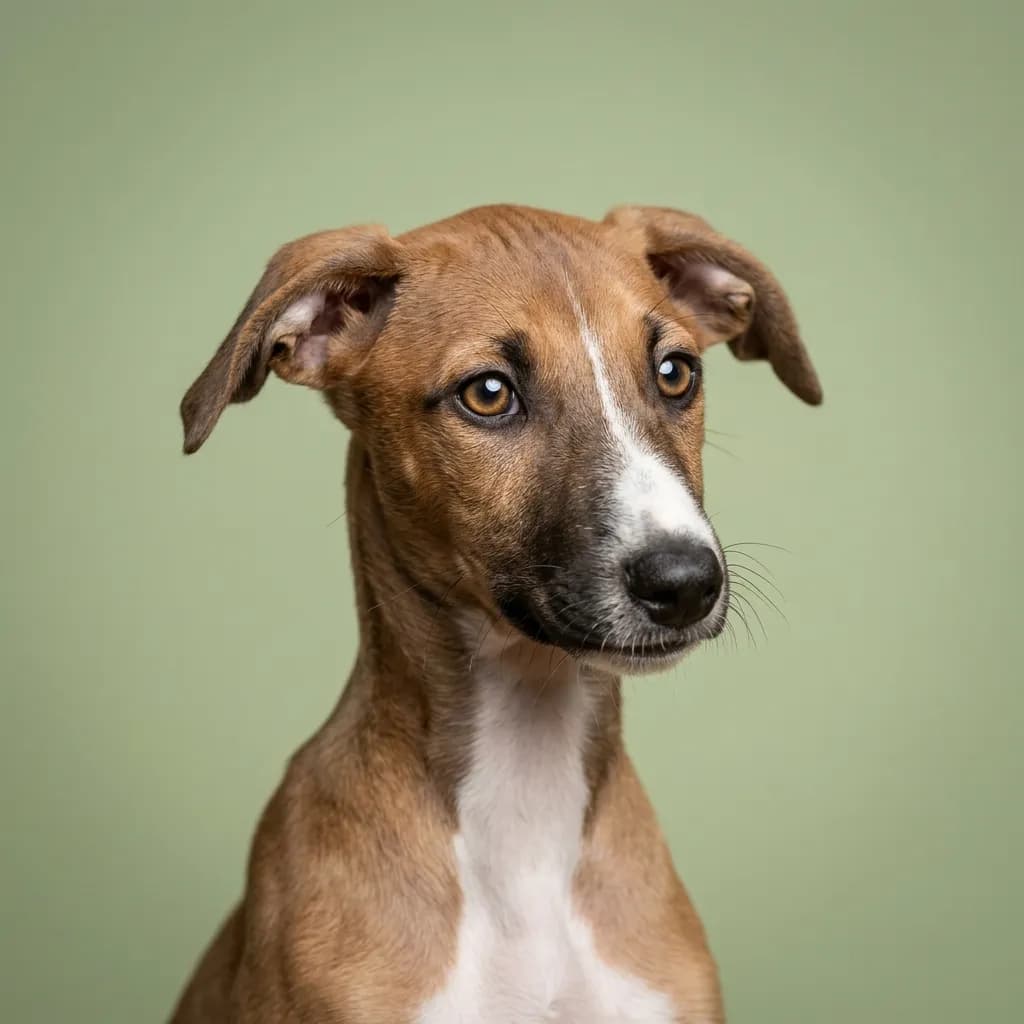
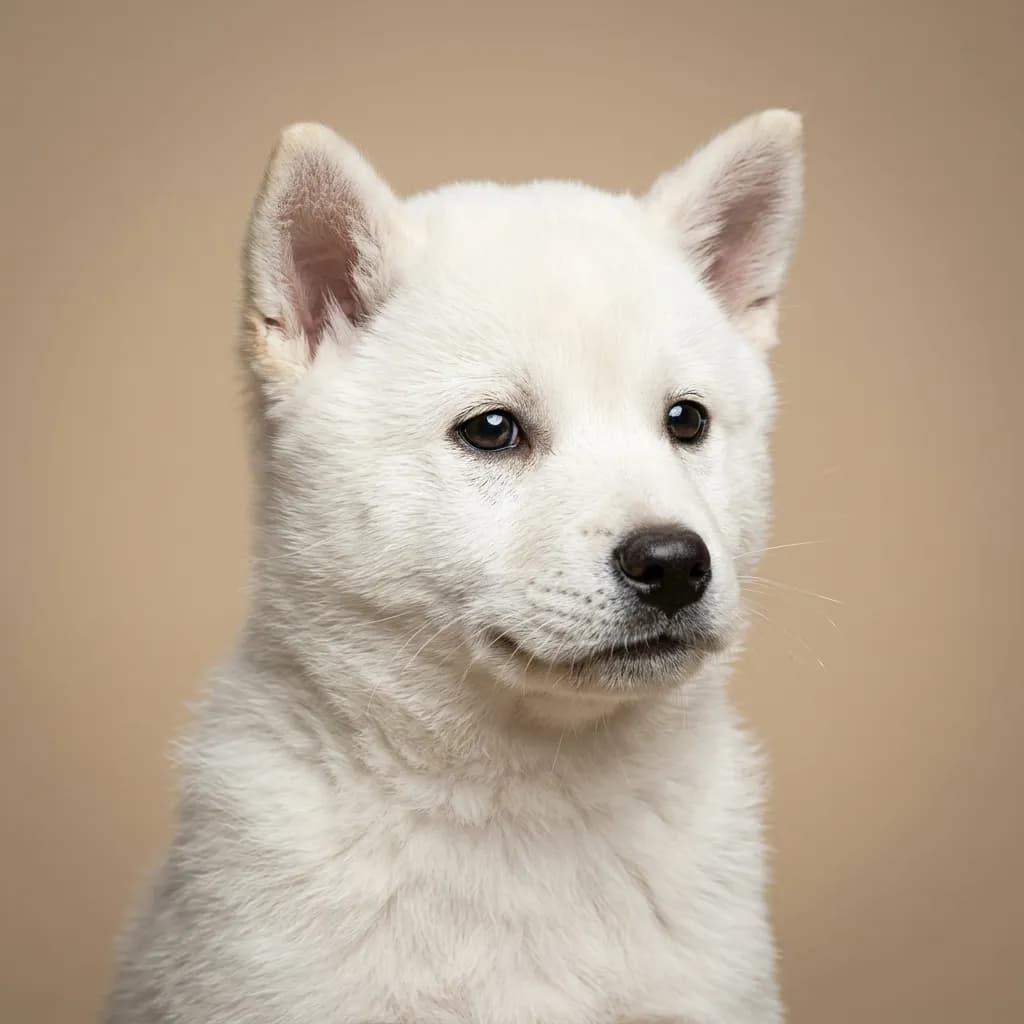
People compare Azawakhs and Kishu Kens because they’re both rare, strikingly elegant, and deeply loyal sighthound types that don’t bark much and thrive with experienced owners. But beneath the surface, they’re shaped by vastly different worlds. the blistering Sahara and the dense mountain forests of Japan. and that changes everything. The Azawakh is all about lean, vertical elegance. You’ll find them perched like statues on high ground, scanning the horizon. They bond fiercely with their people and can be tender up close, but they’re independent thinkers, hard to train, and emotionally reserved with strangers. They hate the cold, so if you’re in a snowy climate, you’ll be bundling them up like a newborn. Their energy is bursts, not marathons, and they need mental space as much as physical. The Kishu Ken is sturdier, more compact, built for pushing through thick brush. They’re still aloof, but more responsive to training and surprisingly adaptable to colder weather. That thick double coat sheds more and needs brushing, but it’s what lets them stand ground in freezing mountain air. Kishus are mentally sharper in a working sense. they were expected to make decisions mid-hunt, often alone. That means they’re more intense, more driven, and far less tolerant of small pets darting around the house. If you live in the Southwest and want a dramatic, lean companion who’ll share your quiet evenings and long hikes, the Azawakh might steal your heart. If you’re in a colder region and want a bold, self-reliant dog with a warrior spirit and don’t mind extra shedding, go Kishu. Here’s the real talk: neither will ever be a “typical” pet. But if you want a dog that looks at you like you’re the center of their universe. and only yours. these breeds deliver. Just know, they’re not joining your life. You’re joining theirs.
Trait-by-trait
Higher bar = more of that trait. Shedding, barking, drooling, grooming flipped for readability.Where they diverge
Choose the Azawakh if…
- Experienced owners
- Active people
- Hot climates
- You value coat grooming — Azawakh scores noticeably higher.
Choose the Kishu Ken if…
- Experienced dog owners
- Active owners
- Cold climates
- You value good with strangers — Kishu Ken scores higher here.