Barbet vs Tibetan Mastiff
Side-by-side comparison across all 14 AKC trait ratings, with a clear verdict on which breed fits which kind of household.
Not sure which breed fits your life?
Answer five questions about your home, your schedule, and your tolerance for shedding. We’ll match you to your top three breeds from over 200.
Barbet vs Tibetan Mastiff
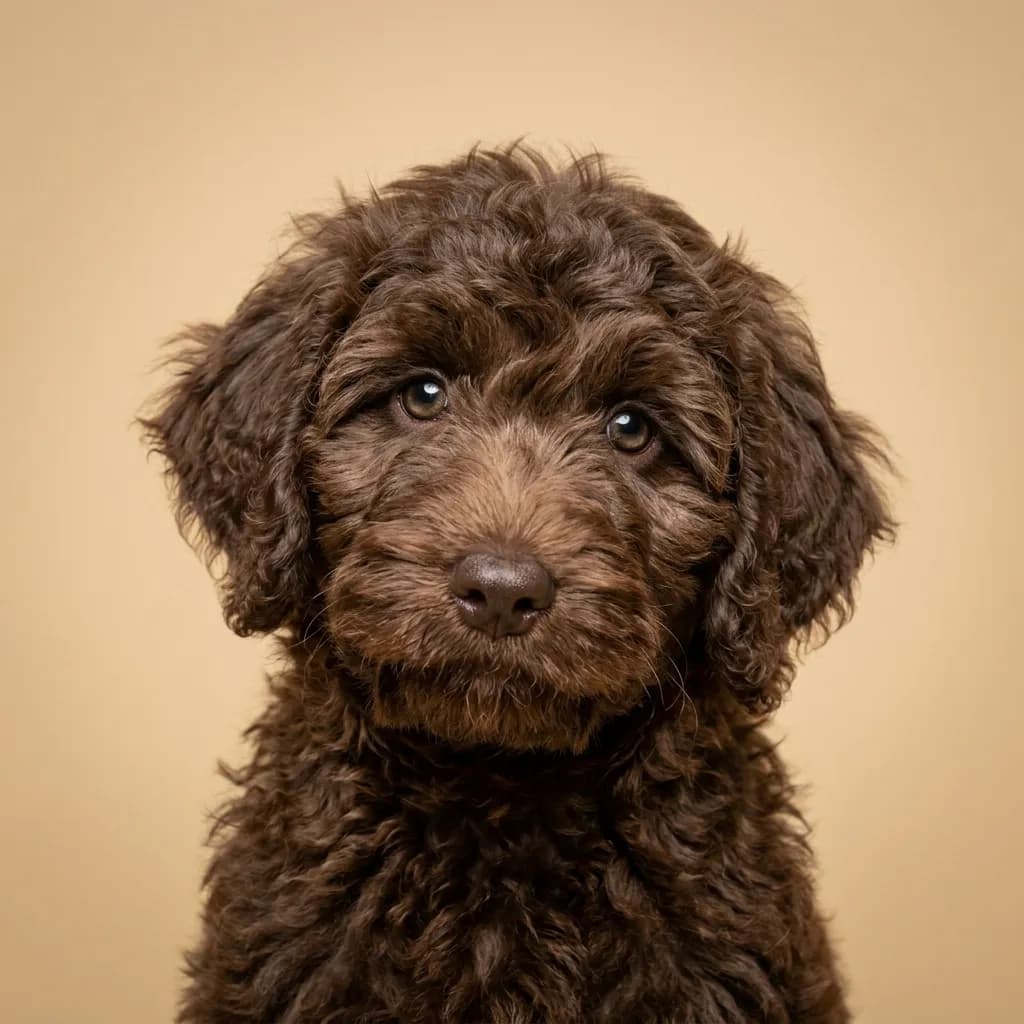
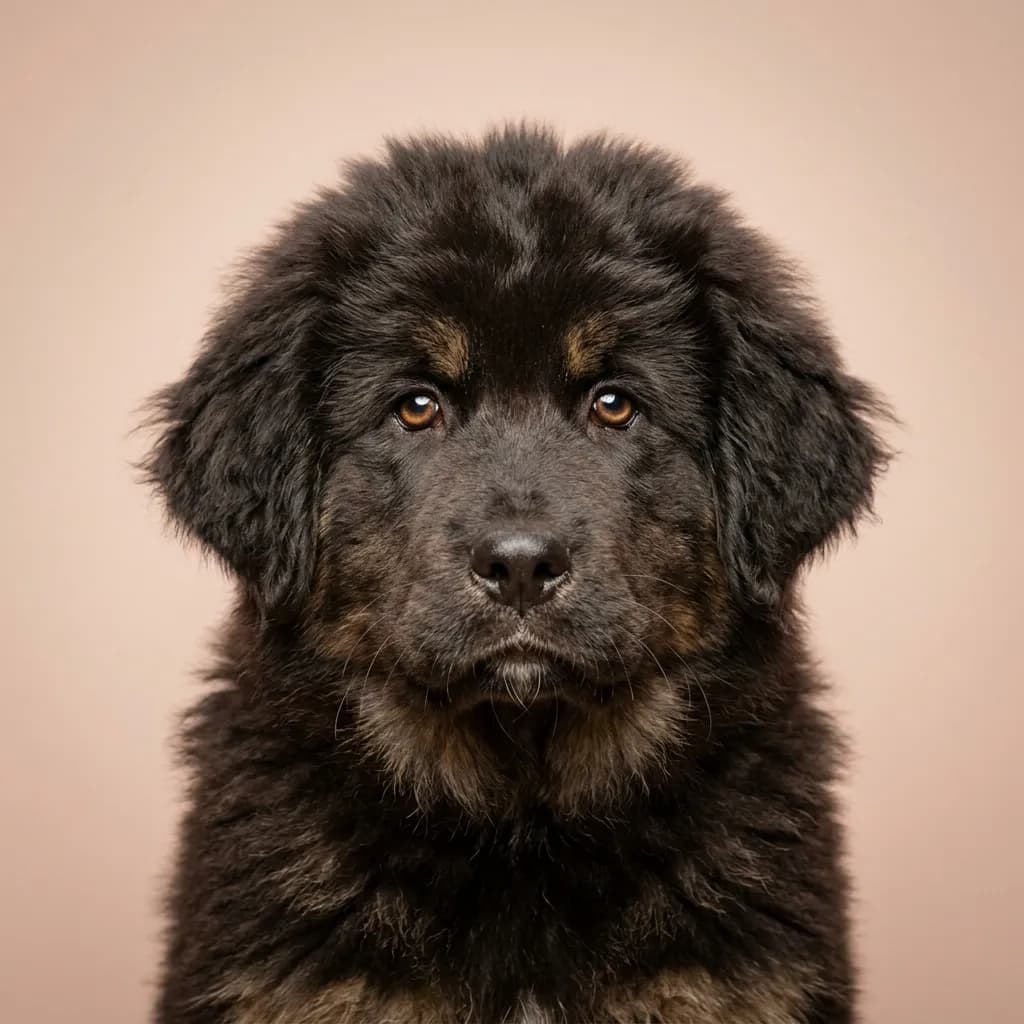
People compare the Barbet and Tibetan Mastiff because they’re both big, fluffy, and rare. on paper, that’s about where the similarity ends. One’s a joyful water retriever built for muddy marshes; the other’s a lion-hearted mountain guardian built for high-altitude solitude. If you’re drawn to fluff and uniqueness, these two will pop up. But choosing between them isn’t about looks. It’s about lifestyle, plain and simple. The Barbet is the family-friendly goofball. At 45 to 65 pounds, he’s energetic enough for hikes and swims but happy to nap after. He learns fast, adores kids, and rarely sheds. great if someone in the house has allergies. He needs weekly grooming and daily movement, but he’s happy in a house with a yard or even a bigger city apartment if you’re active. He wants to please, so training isn’t a battle. The Tibetan Mastiff? He’s not a pet in the traditional sense. He’s a 120-pound sentinel with an ancient instinct to patrol and protect. Independent to a fault, he won’t jump through hoops for praise. He’s affectionate with his family but deeply reserved with strangers. kids included. He’s not for first-time owners. He needs space, cold weather, and a firm, experienced hand. And that coat? It sheds heavily once a year in a volcanic eruption of fur you won’t believe until you’ve cleaned it up for three weeks straight. Here’s the real insight: the Barbet fits into your life. The Tibetan Mastiff demands that you fit into his. One is a companion. The other is a responsibility wrapped in fur and dignity. Pick the Barbet if you want a dog. Pick the Mastiff only if you’re ready for a lifelong guardian. one who’ll stand between you and danger without hesitation, but might also ignore you when called.
Trait-by-trait
Higher bar = more of that trait. Shedding, barking, drooling, grooming flipped for readability.Where they diverge
Choose the Barbet if…
- Families
- Active people
- Allergy sufferers
- You value good with young children — Barbet scores noticeably higher.
Choose the Tibetan Mastiff if…
- Experienced large-breed owners
- Cold climate households
- Those wanting a serious guardian breed
- You value shedding level — Tibetan Mastiff scores higher here.