Basenji vs Czechoslovakian Vlcak
Side-by-side comparison across all 14 AKC trait ratings, with a clear verdict on which breed fits which kind of household.
Not sure which breed fits your life?
Answer five questions about your home, your schedule, and your tolerance for shedding. We’ll match you to your top three breeds from over 200.
Basenji vs Czechoslovakian Vlcak
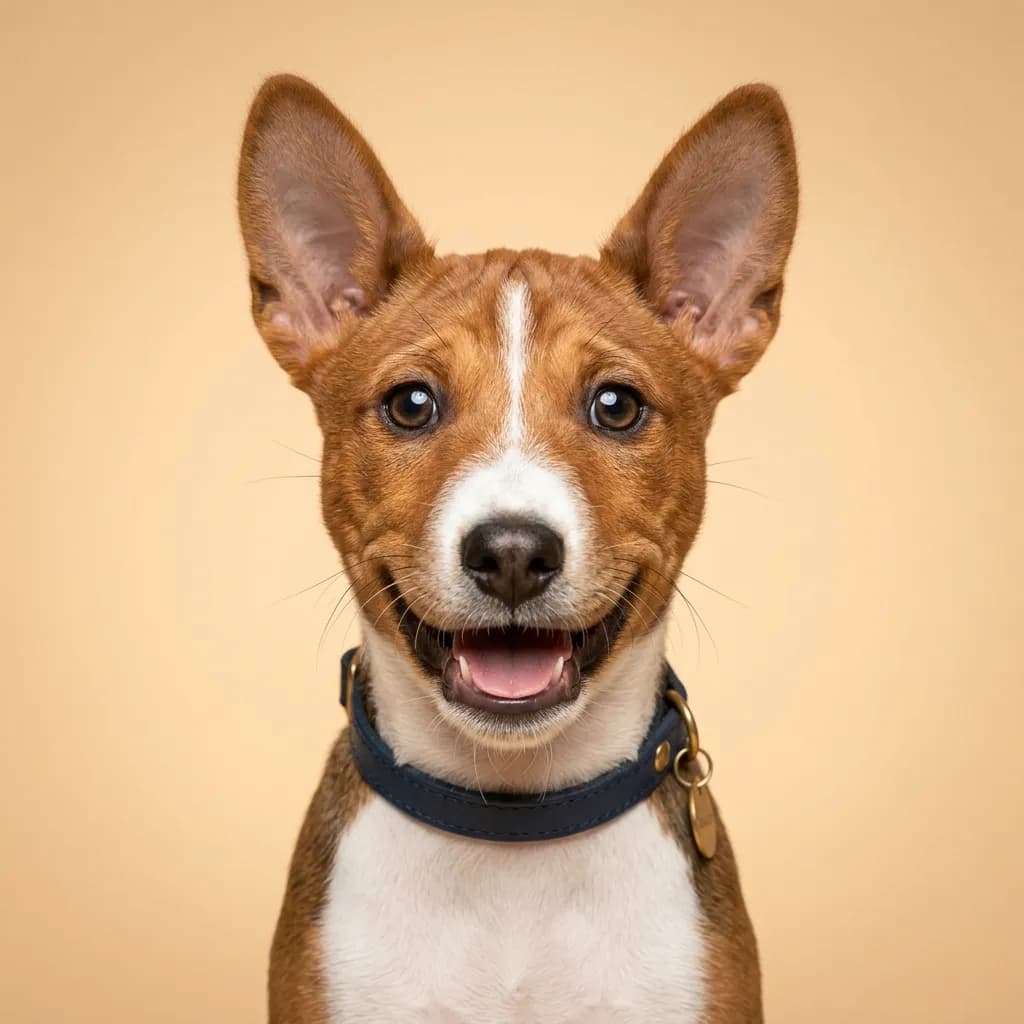
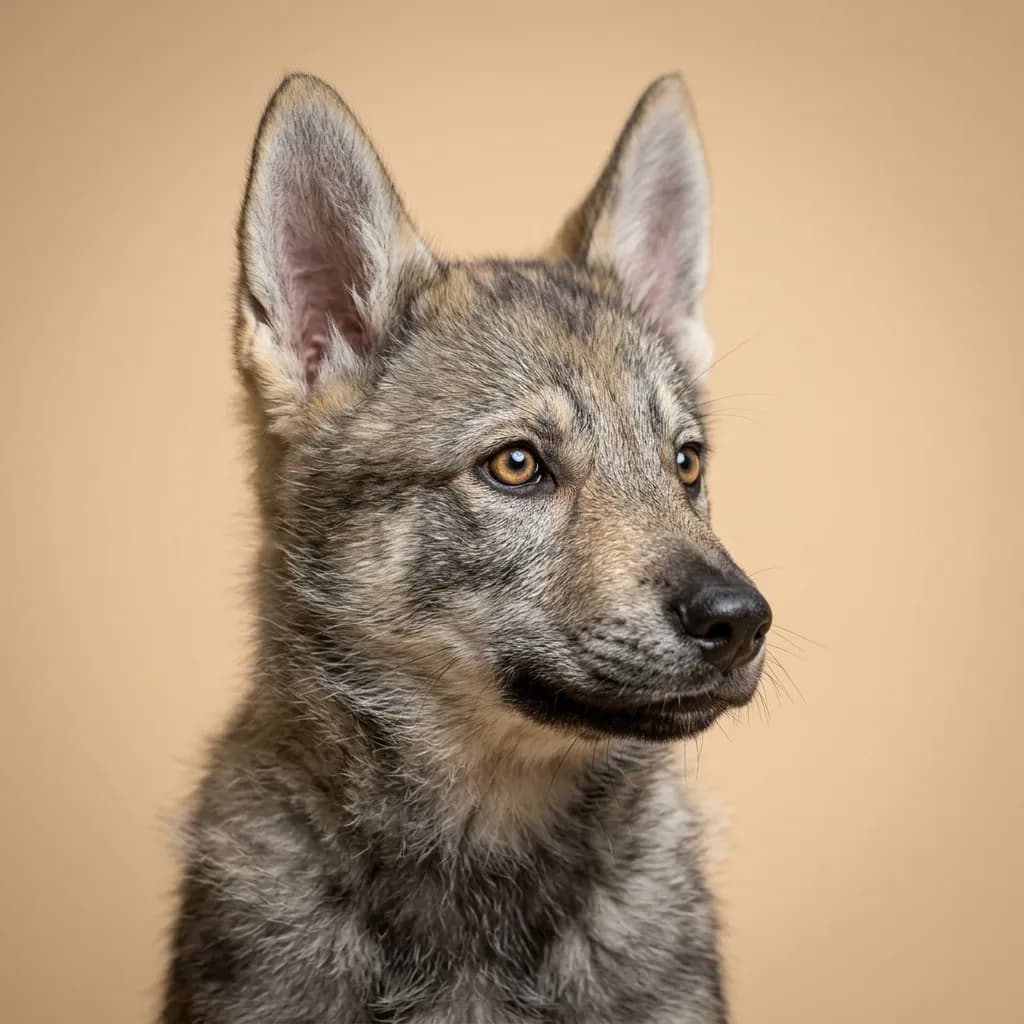
People compare the Basenji and the Czechoslovakian Vlcak because both look like wild dogs and carry themselves with that quiet, watchful intensity. They’re both independent, smart, and not your typical barky, tail-wagging pets. But that’s where the similarity ends. Choosing between them isn’t just preference, it’s lifestyle. The Basenji, at 16 inches and under 25 pounds, is a compact hunter from Central Africa who thrives in homes with routine and mental puzzles. It won’t bark much. more likely to yodel. but it will outthink you. They’re better for apartment living if you’re active, and their low shedding helps with allergies. But don’t be fooled by their elegance; they’re escape artists with a one-track mind for small animals. First-time owners usually get schooled. The Vlcak, on the other hand, is a wolf-sized 50+ pound working breed built for cold forests and military duty. They’re bred from German Shepherds and Carpathian wolves, and it shows. They need space, structure, and a job. Their loyalty runs deep, but they’re not cuddly with kids and shed like a snowstorm in spring. They’re not for city life or casual ownership. You don’t own a Vlcak. you earn its respect. Here’s the real talk: the Basenji tests your patience with independence, but the Vlcak tests your authority. One is like living with a clever, aloof cat who happens to look like a dog. The other is like partnering with a disciplined soldier who happens to have wolf DNA. Pick the Basenji if you want a quirky, clean, apartment-friendly companion with spirit. Pick the Vlcak only if you’ve already mastered dog psychology and live somewhere you can secure a 6-foot fence.
Trait-by-trait
Higher bar = more of that trait. Shedding, barking, drooling, grooming flipped for readability.Where they diverge
Choose the Basenji if…
- Apartments
- Experienced owners
- Allergy sufferers
- You value good with young children — Basenji scores noticeably higher.
Choose the Czechoslovakian Vlcak if…
- Very experienced dog owners
- Active individuals
- Rural environments
- You value shedding level — Czechoslovakian Vlcak scores higher here.