Basenji vs Lhasa Apso
Side-by-side comparison across all 14 AKC trait ratings, with a clear verdict on which breed fits which kind of household.
Not sure which breed fits your life?
Answer five questions about your home, your schedule, and your tolerance for shedding. We’ll match you to your top three breeds from over 200.
Basenji vs Lhasa Apso
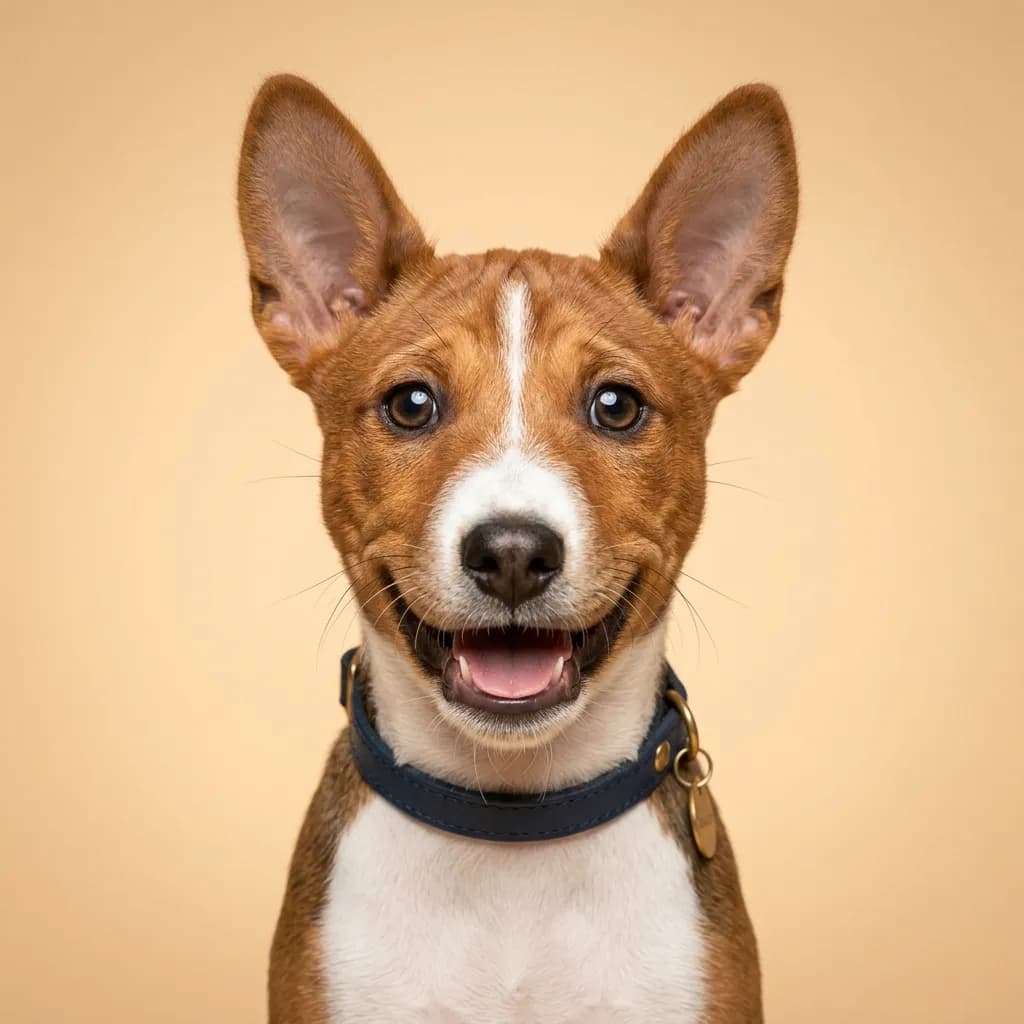
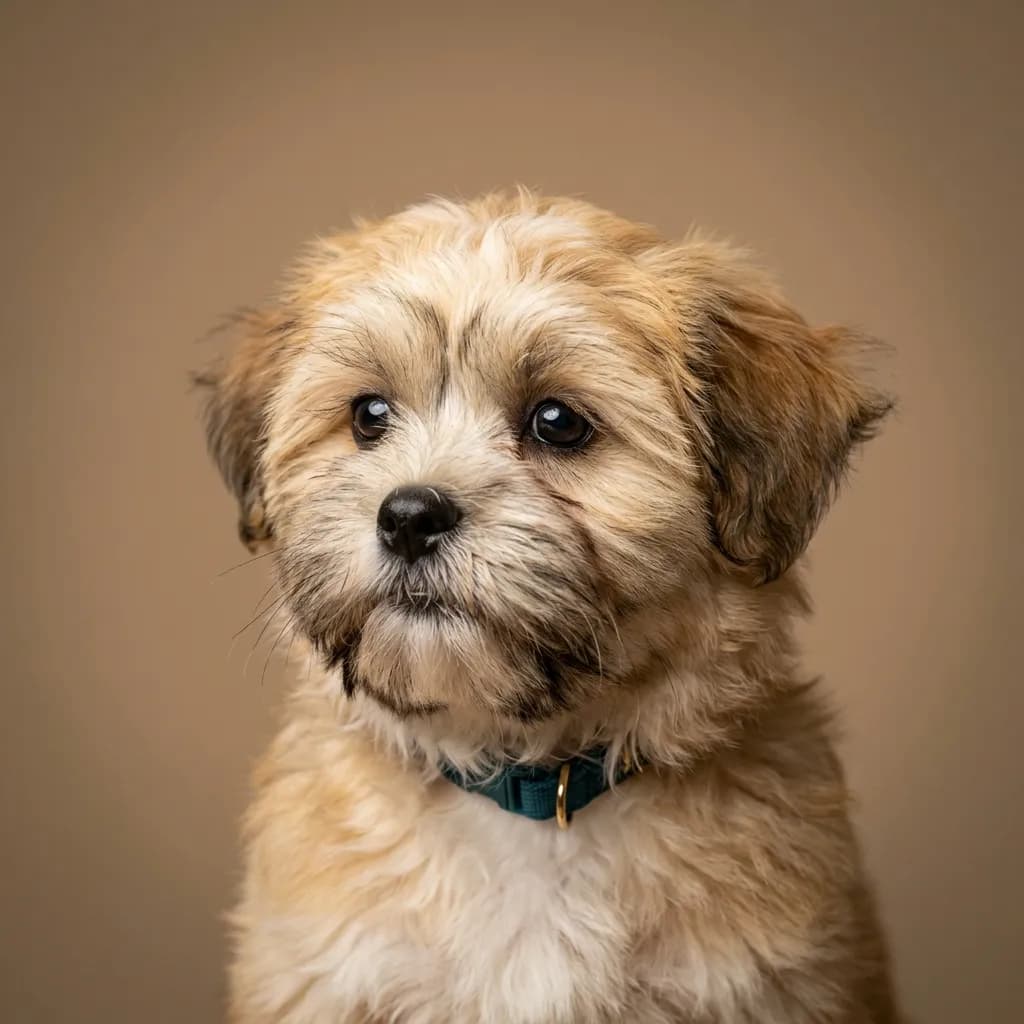
People compare Basenjis and Lhasa Apsos because they’re both small, tidy dogs that don’t shed much and can live in apartments. At first glance, they seem like similar solutions for city dwellers or allergy sufferers wanting a compact companion. But that’s where the similarities end. These dogs come from wildly different worlds. literally and behaviorally. The Basenji was bred to work alone, flushing game in the dense forests of Central Africa. That independence runs deep. You’ll admire their intelligence, but they won’t jump through hoops just to please you. They’re quiet. not because they’re shy, but because they literally don’t bark. They yodel. And their energy is focused, intense. They need mental puzzles, secure spaces, and owners who respect their autonomy. First-time dog owners often get blindsided by how hard it is to train something that’s this smart and this indifferent. The Lhasa Apso, on the other hand, was guarding monasteries in the Himalayas. Alert, observant, and deeply loyal to their family, they’re more vocal and more adaptable. They bond closely, especially with one or two people, and while they’re not lap dogs in the clingy sense, they want to be near you. Their long coat is high-maintenance. think weekly brushing or professional grooming every few weeks. but they’re steady, calm indoors, and thrive in quieter homes, especially with seniors or singles. Here’s the real talk: if you want a dog that feels like a cat. self-contained, curious, quietly judging your life choices. go Basenji. But if you want a watchful, affectionate little guardian who’ll greet you like you’ve been gone for years even if you just walked to the mailbox, the Lhasa Apso will steal your heart. Just be ready for the grooming bag.
Trait-by-trait
Higher bar = more of that trait. Shedding, barking, drooling, grooming flipped for readability.Where they diverge
Choose the Basenji if…
- Apartments
- Experienced owners
- Allergy sufferers
- You value shedding level — Basenji scores noticeably higher.
Choose the Lhasa Apso if…
- Apartment living
- Allergy sufferers
- Singles or seniors
- You value affectionate w/ family — Lhasa Apso scores higher here.