Bichon Frise vs Lhasa Apso
Side-by-side comparison across all 14 AKC trait ratings, with a clear verdict on which breed fits which kind of household.

Not sure which breed fits your life?
Answer five questions about your home, your schedule, and your tolerance for shedding. We’ll match you to your top three breeds from over 200.
Bichon Frise vs Lhasa Apso
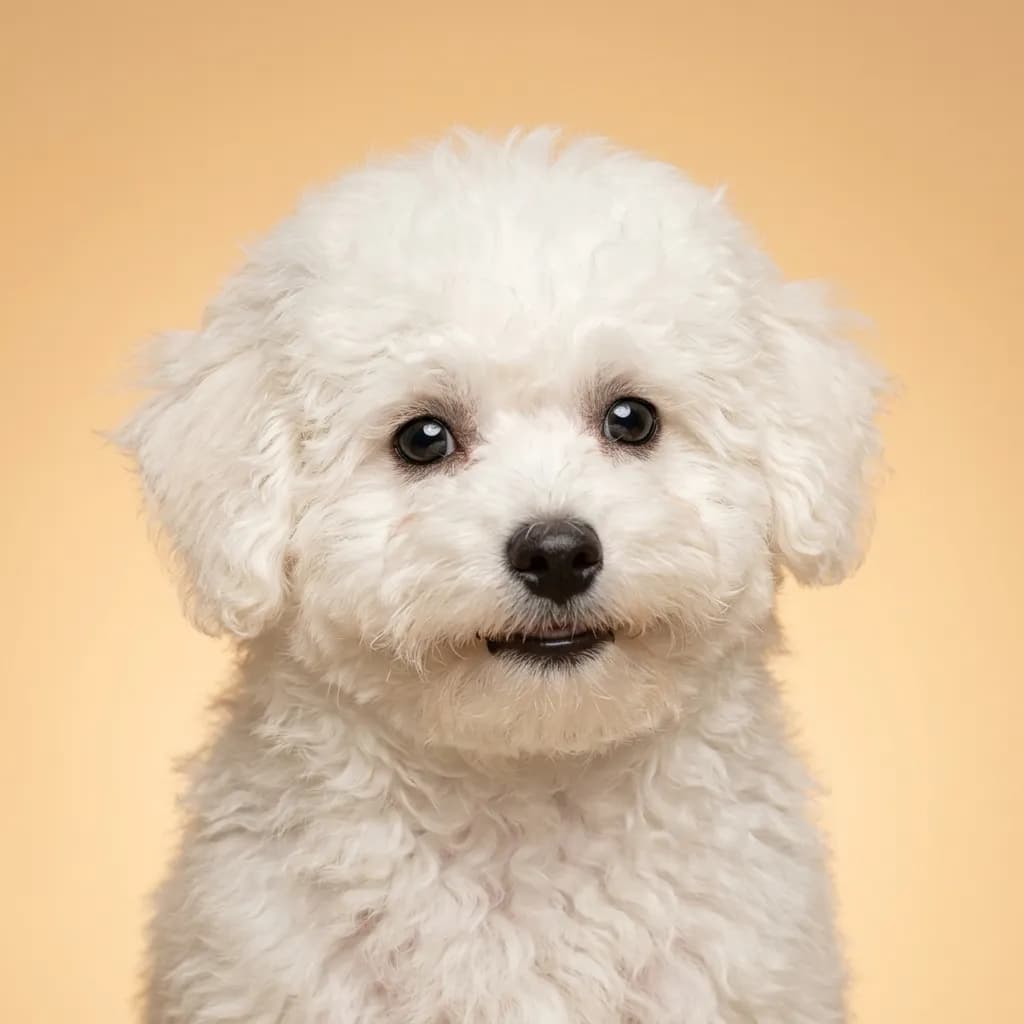
People compare Bichon Frises and Lhasa Apsos because they’re both small, fluffy, apartment-friendly dogs with minimal shedding. perfect on paper for city living or allergy-prone homes. But that’s where the easy similarities end. These dogs come from totally different emotional universes. The Bichon is the extroverted comedian, the dog that wants to be in your lap during dinner, then drag you into a game of chase at 7 a.m. They’re eager to please, quick to learn, and genuinely thrive on family chaos. If you’ve got kids or a busy household, the Bichon leans into it. But that sunshine personality comes with a grooming bill. those curls need professional care every four to six weeks, no skipping. The Lhasa Apso, on the other hand, is the dignified observer. Bred to sit high in Himalayan monasteries and bark at intruders, they’re alert, independent, and a little reserved. They’ll bond deeply with one or two people but often watch the rest of the world with polite suspicion. Great as a watchdog, less great if you want a dog that greets every guest with a wag. They’re less energetic and can handle being alone better than a Bichon, but don’t mistake that for low maintenance. Their long coat is just as high-maintenance, even if they don’t have the Bichon’s “perma-puppy” look. Here’s the real insight: the Bichon needs to be part of your emotional rhythm. The Lhasa Apso lets you orbit theirs. If you want a dog that feels like a co-dependent best friend, pick the Bichon. If you want a regal, self-contained companion who tolerates your affection like a favor, the Lhasa Apso might be your match. Choosing between them isn’t about size or shedding. it’s about who you want in your emotional space.
Trait-by-trait
Higher bar = more of that trait. Shedding, barking, drooling, grooming flipped for readability.Where they diverge
Choose the Bichon Frise if…
- Apartments
- Seniors
- Families
- You value good with young children — Bichon Frise scores noticeably higher.
Choose the Lhasa Apso if…
- Apartment living
- Allergy sufferers
- Singles or seniors
- You value watchdog / protective — Lhasa Apso scores higher here.