Basenji vs Pumi
Side-by-side comparison across all 14 AKC trait ratings, with a clear verdict on which breed fits which kind of household.
Not sure which breed fits your life?
Answer five questions about your home, your schedule, and your tolerance for shedding. We’ll match you to your top three breeds from over 200.
Basenji vs Pumi
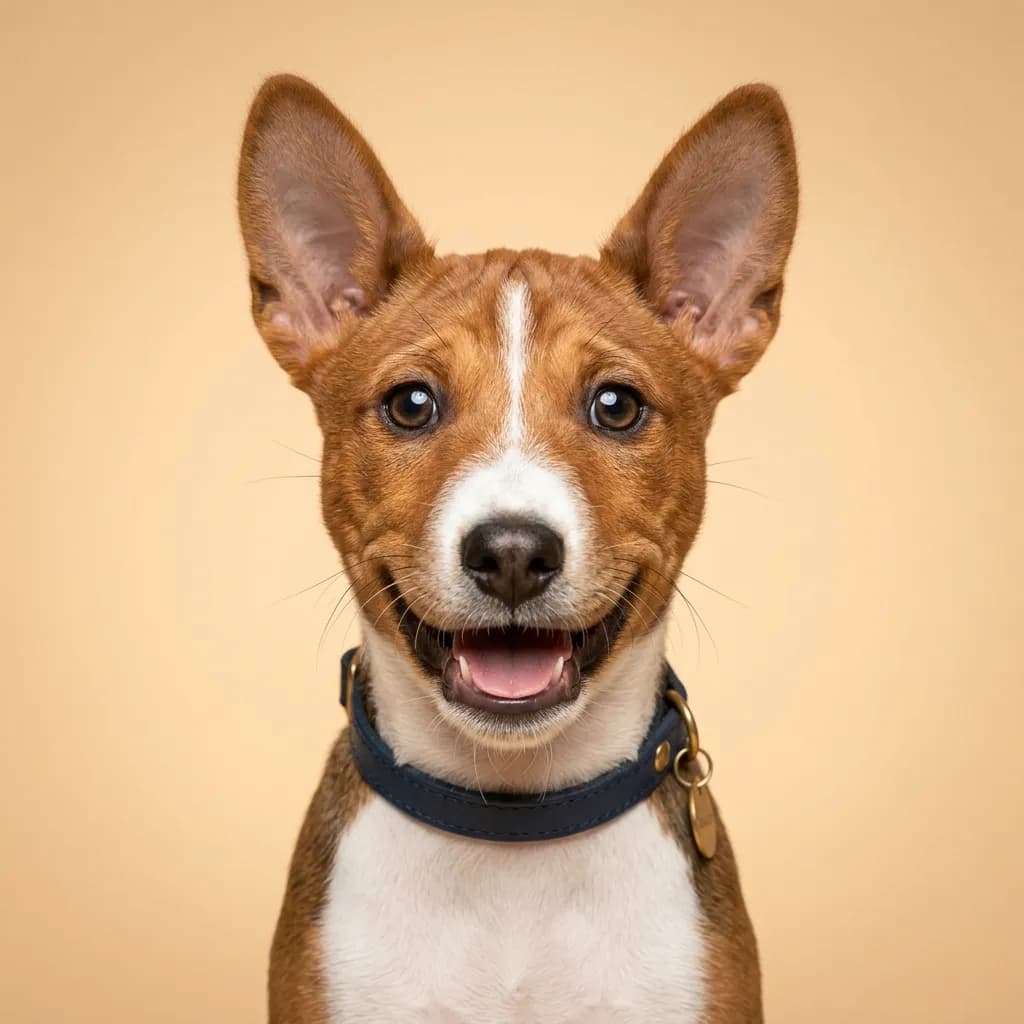
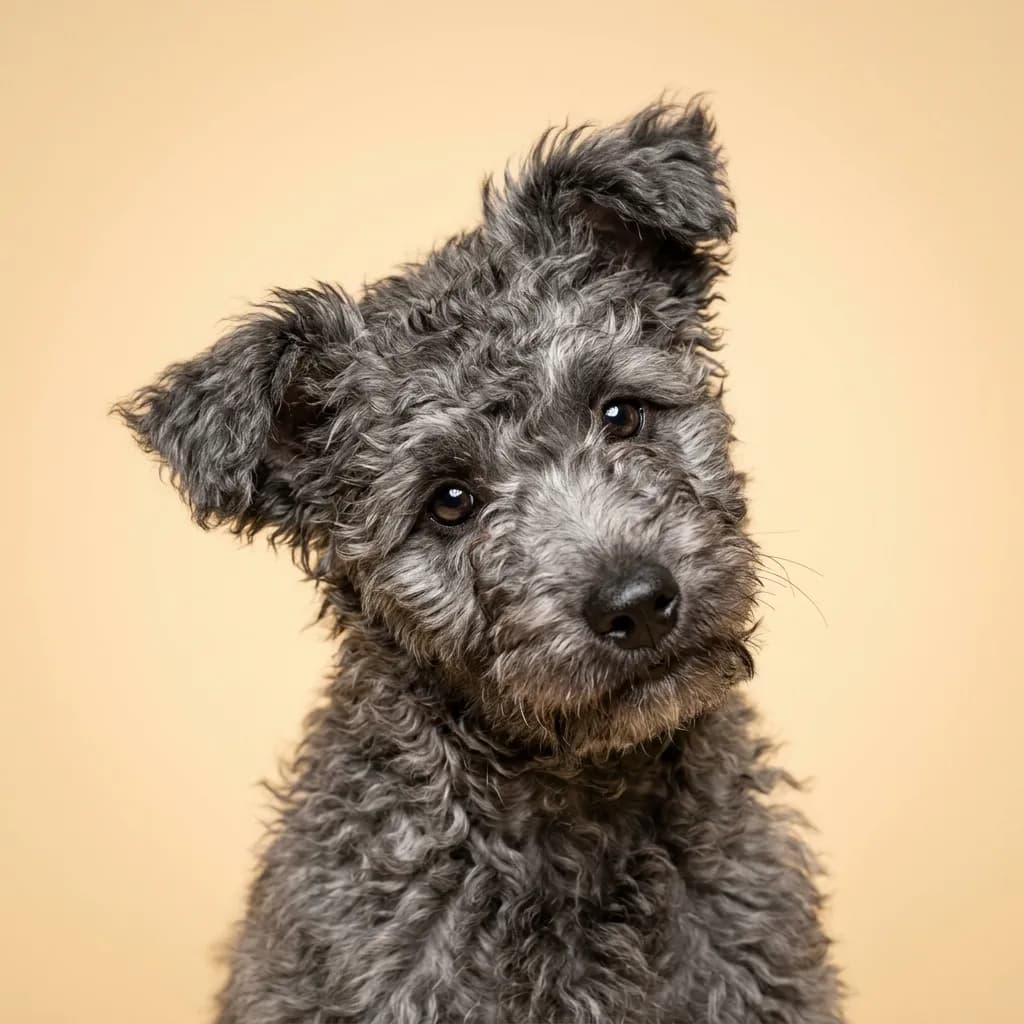
People compare Basenjis and Pumis because they’re both medium-sized, curly-tailed, low-shedding breeds that look exotic at first glance. But that’s where the similarity ends. If the Basenji is a sleek, silent panther from the African bush, the Pumi is a wiry, yodeling whirlwind from the Hungarian pasture. both captivating, but in completely different keys. The Basenji won’t bark, but it will outthink you. Independent to a fault, it’s the dog that watches you figure out the puzzle while it casually solves it in the background. You’ll love its elegance and quiet dignity, but good luck convincing it to sit for a treat just because you asked. It needs mental fire, not obedience drills. This isn’t a dog that bonds with the whole family; it picks a person and keeps its cool distance from everyone else. Apartment living? Fine, if you’re gone all day and it’s not the only pet. small animals might end up “hunted” out of instinct. The Pumi, meanwhile, is all-in, all the time. It wants to work, play, learn, jump, herding your kids around the yard like sheep. It’s affectionate, yes, but it’s also loud, opinionated, and obsessive about tasks. It thrives in dog sports, not because it wants to please you blindly, but because it lives for the challenge. You can’t half-commit to a Pumi. It needs an owner who hikes, trains, or competes. not someone who wants a quiet couch companion. Here’s the real difference: the Basenji respects you. The Pumi wants to partner with you. Choose the Basenji if you value quiet intelligence and don’t mind emotional space. Choose the Pumi if you want a co-pilot with endless energy and a voice that won’t quit. Neither is for beginners. But if you’ve been burned by easy-to-please dogs and want something that actually thinks? These two will keep you honest.
Trait-by-trait
Higher bar = more of that trait. Shedding, barking, drooling, grooming flipped for readability.Where they diverge
Choose the Basenji if…
- Apartments
- Experienced owners
- Allergy sufferers
- You value shedding level — Basenji scores noticeably higher.
Choose the Pumi if…
- Active owners
- Dog sports enthusiasts
- Experienced herding breed owners
- You value trainability — Pumi scores higher here.