Basenji vs Shiba Inu
Side-by-side comparison across all 14 AKC trait ratings, with a clear verdict on which breed fits which kind of household.
Not sure which breed fits your life?
Answer five questions about your home, your schedule, and your tolerance for shedding. We’ll match you to your top three breeds from over 200.
Basenji vs Shiba Inu
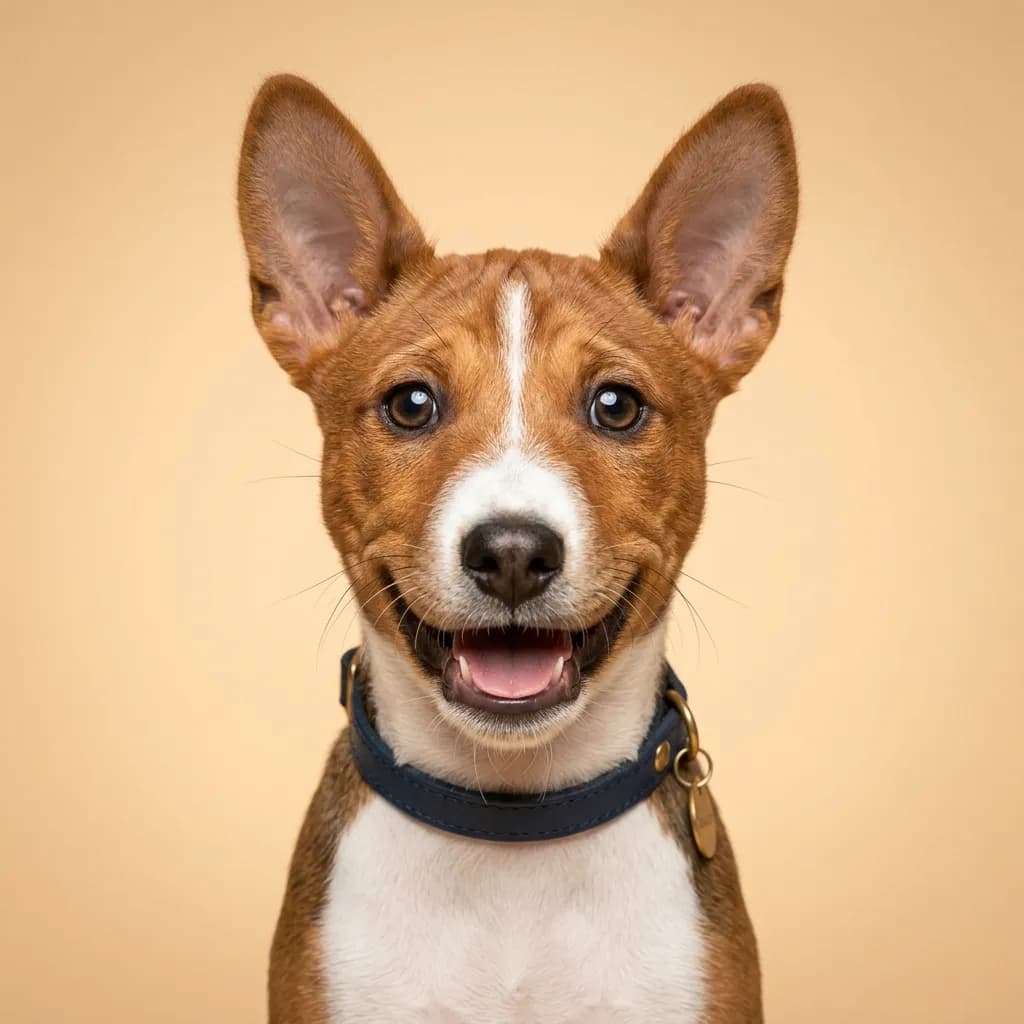
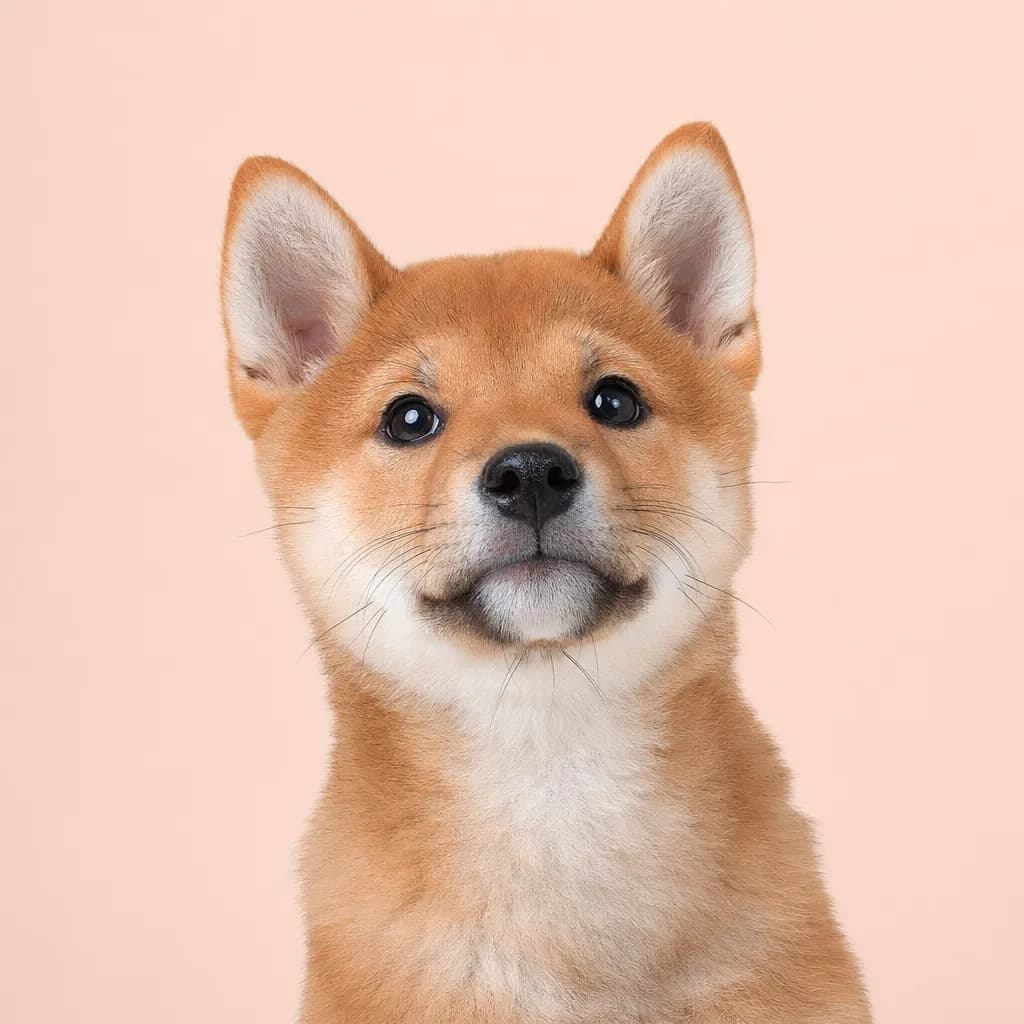
People toss Basenjis and Shiba Inus into the same bucket because they’re both small, agile, ancient breeds that look like they stepped out of a history book and don’t bark much. But living with one versus the other? That’s where the fantasy meets the floor. These dogs feel worlds apart once you’re deep in the daily grind of feeding, training, and trying to outsmart their next escape plan. The Basenji is your quiet, intense shadow. They won’t bark. ever, really. but they’ll yodel, whine, and howl when they’re stirred. Independent to a fault, they’ll assess whether your command is worth obeying before deciding to comply. Smart? Absolutely. Trainable? Barely. You’ll need patience and consistency, not force. They’re tidy, low-shedding, and great for apartments if you can meet their high energy needs. But they’re not huggers. Affection comes on their terms, and chasing small animals is in their blood. so no cats or hamsters. The Shiba Inu feels more like a dog-shaped cat with opinions. They bark when they want to, and they will let you know when something’s off. Cleaner than most dogs, yes, but don’t be fooled. shedding season is a red-orange blizzard twice a year. They bond deeply with their person and can be surprisingly affectionate, just not on demand. Like Basenjis, they’re stubborn, but Shibas add a dash of dramatic flair. They’ll stomp off if scolded, then sneak back for pets at 3 a.m. Here’s the real talk: both are terrible for first-time owners. But if you want a silent, cat-like athlete with a mysterious aura, go Basenji. If you want a bold, expressive companion with fiery looks and fiercer pride, pick the Shiba. And whichever you choose, know this. neither one owns you. You’re just lucky enough to serve them.
Trait-by-trait
Higher bar = more of that trait. Shedding, barking, drooling, grooming flipped for readability.Where they diverge
Choose the Basenji if…
- Apartments
- Experienced owners
- Allergy sufferers
- You value energy level — Basenji scores noticeably higher.
Choose the Shiba Inu if…
- Experienced dog owners
- Those wanting a cat-like independence
- Active owners
- You value affectionate w/ family — Shiba Inu scores higher here.