Basset Fauve de Bretagne vs Norwegian Lundehund
Side-by-side comparison across all 14 AKC trait ratings, with a clear verdict on which breed fits which kind of household.
Not sure which breed fits your life?
Answer five questions about your home, your schedule, and your tolerance for shedding. We’ll match you to your top three breeds from over 200.
Basset Fauve de Bretagne vs Norwegian Lundehund
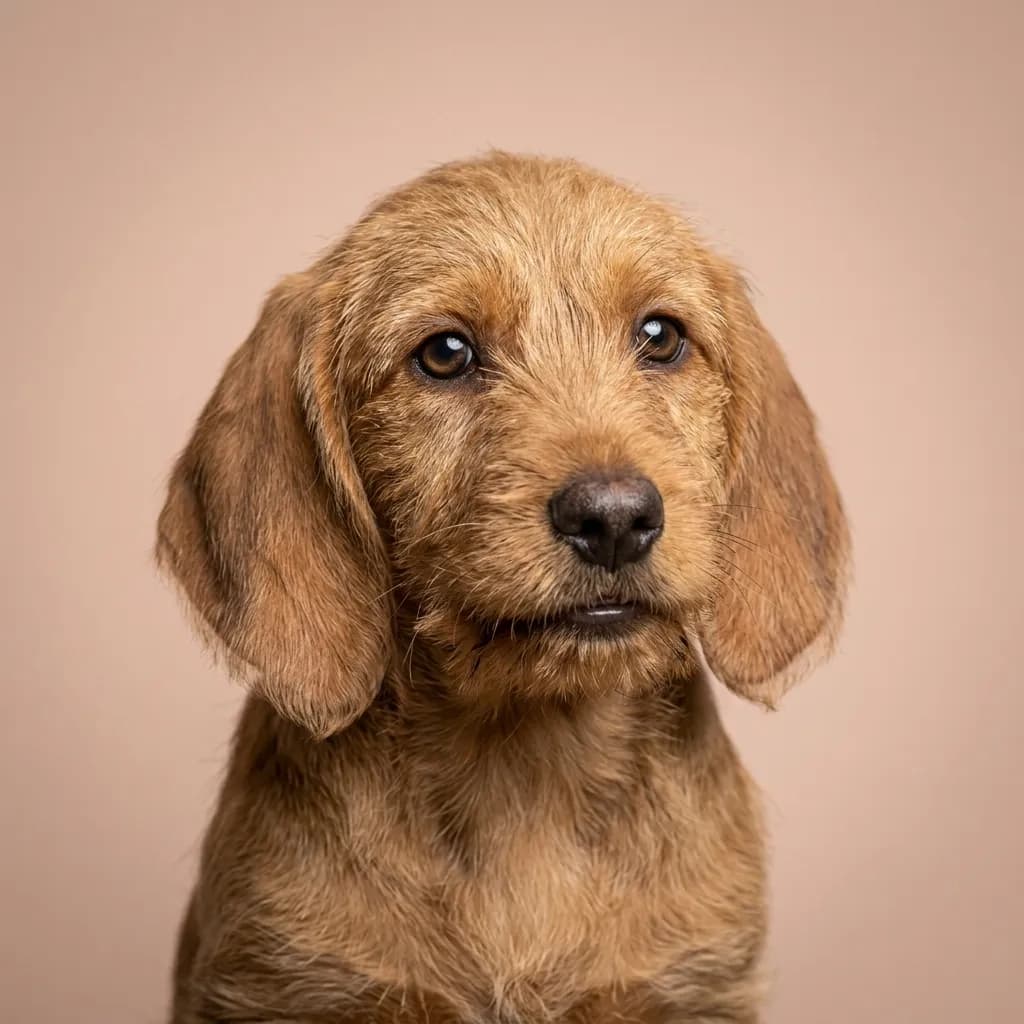
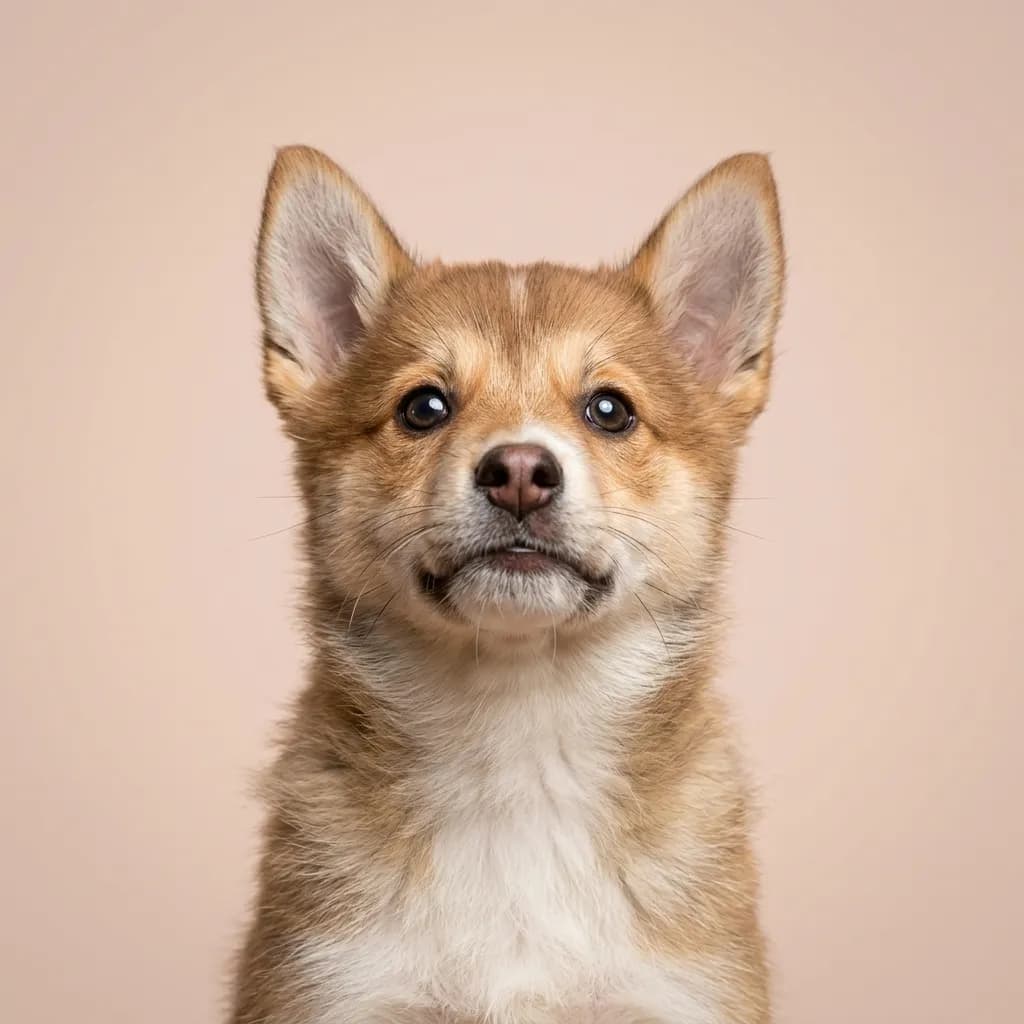
You don’t see these two dogs at the dog park, and that’s part of why people compare them. they’re rare, low-to-the-ground, and look vaguely like oddball cousins at first glance. But that’s where the similarity ends. The Basset Fauve de Bretagne is the scrappy, wiry-haired little hunter from the French brush, built for pushing through brambles all day, while the Norwegian Lundehund is a six-toed evolutionary marvel from remote islands, designed to scale sheer cliffs and wriggle into narrow puffin burrows. They share a love for adventure and a stubborn streak, but their souls come from very different places. If you want a dog that’s cheerful, loud, and deeply bonded to the whole family, the Basset Fauve might be your match. It’s great with kids, thrives in a suburban yard, and will bark at every squirrel like it’s a national emergency. It’s smart but opinionated. a hound brain in a terrier body. and it needs consistent training. On the flip side, the Lundehund is more reserved, even aloof with strangers, and less predictable with children. It’s not that it doesn’t love its people, but it shows it quietly, on its own terms. The real deciding factor? Health and management. The Lundehund comes with a serious caveat: Lundehund syndrome, a complex digestive issue that demands specialized, lifelong vet care. You can’t wing it. The Basset Fauve has its issues. hips, ears, weight. but they’re more typical for small breeds. Here’s the truth beyond the stats: the Lundehund isn’t just a dog. It’s a conservation project with fur. You’re not just adopting. you’re stewarding a breed that almost went extinct. The Basset Fauve is a joy-filled companion for active homes. The Lundehund? It’s for those ready to commit to something rare, fragile, and profoundly unique.
Trait-by-trait
Higher bar = more of that trait. Shedding, barking, drooling, grooming flipped for readability.Where they diverge
Choose the Basset Fauve de Bretagne if…
- Families
- Active people
- Suburban homes
- You value good with young children — Basset Fauve de Bretagne scores noticeably higher.
Choose the Norwegian Lundehund if…
- Experienced dog owners
- Those interested in rare breeds
- Active families