Basset Hound vs Rhodesian Ridgeback
Side-by-side comparison across all 14 AKC trait ratings, with a clear verdict on which breed fits which kind of household.

Not sure which breed fits your life?
Answer five questions about your home, your schedule, and your tolerance for shedding. We’ll match you to your top three breeds from over 200.
Basset Hound vs Rhodesian Ridgeback
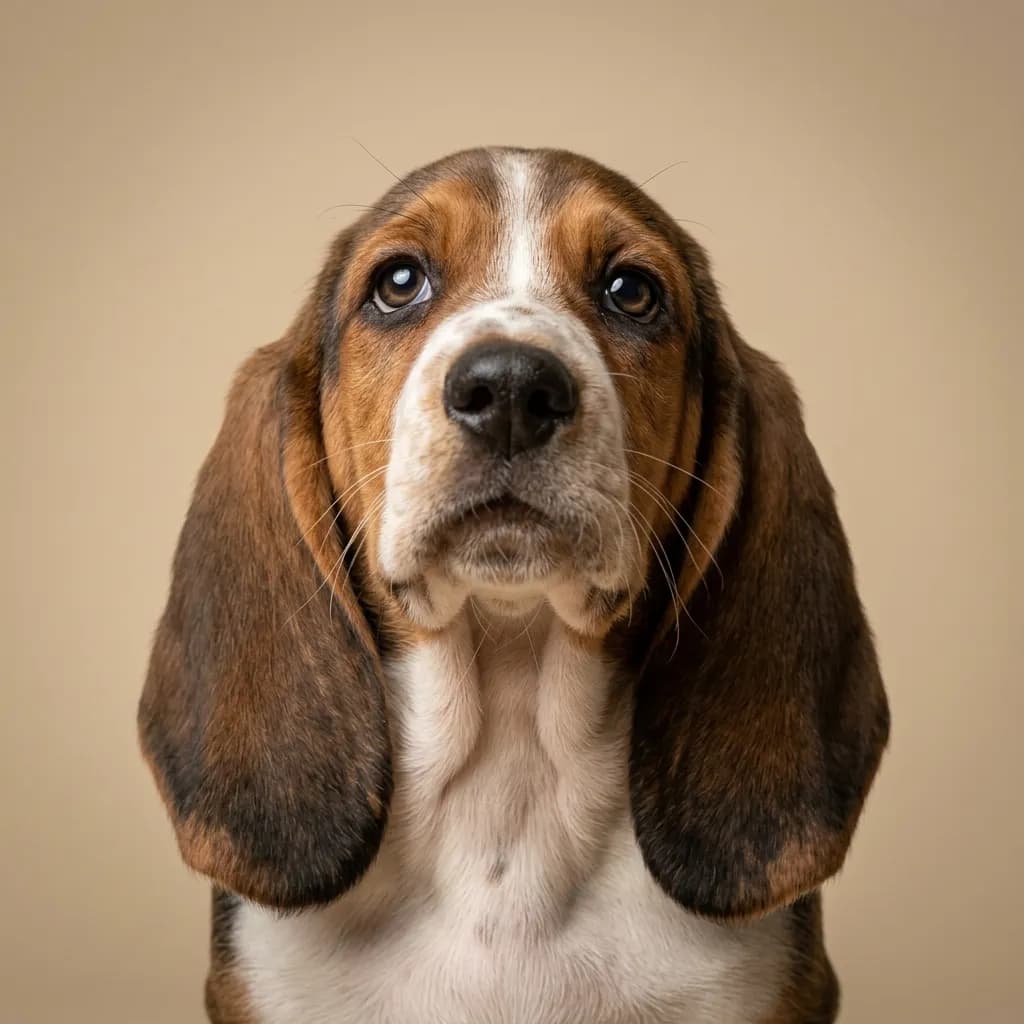
People compare Basset Hounds and Rhodesian Ridgebacks because both are hounds with deep history and strong wills, but that’s where the similarities end. One was built to follow its nose at a trudge through damp European brush, the other to hold its ground against lions in the African heat. If you’re torn between them, you’re really asking: do I want a low-slung companion who lives for snacks and slow strolls, or a powerful athlete who’ll shadow you on trail runs and stand guard without being asked? The Basset Hound is your weekend couch buddy who happens to bark like a watchdog. They’re patient with kids, adaptable to apartments, and won’t demand intense exercise. But they’re stubborn, prone to barking at squirrels at 6 a.m., and will gain weight if you blink wrong. Ear infections? Almost a given. Training wins with food, not praise. The Ridgeback is a different beast. Calm in the house but bold outdoors, they’re deeply loyal and surprisingly quiet. rarely bark, but their presence deters. They need space and structure, not because they’re aggressive, but because they were bred to make decisions in the wild. Trainability is better on paper, but their independence means they’ll weigh your command against their judgment. And they’ll often choose themselves. Families wanting a mellow, forgiving dog lean Basset. Active adults with experience handling strong-willed breeds go Ridgeback. Here’s the real talk: Bassets are emotionally transparent. You’ll always know what they want. Ridgebacks? They’ll love you fiercely but on their terms. You don’t own a Ridgeback. You earn their cooperation.
Trait-by-trait
Higher bar = more of that trait. Shedding, barking, drooling, grooming flipped for readability.Where they diverge
Choose the Basset Hound if…
- Families
- Apartment dwellers
- Seniors
- You value good with other dogs — Basset Hound scores noticeably higher.
Choose the Rhodesian Ridgeback if…
- Active experienced owners
- Running and hiking companions
- Families with older children
- You value affectionate w/ family — Rhodesian Ridgeback scores higher here.