Basset Hound vs Working Kelpie
Side-by-side comparison across all 14 AKC trait ratings, with a clear verdict on which breed fits which kind of household.

Not sure which breed fits your life?
Answer five questions about your home, your schedule, and your tolerance for shedding. We’ll match you to your top three breeds from over 200.
Basset Hound vs Working Kelpie
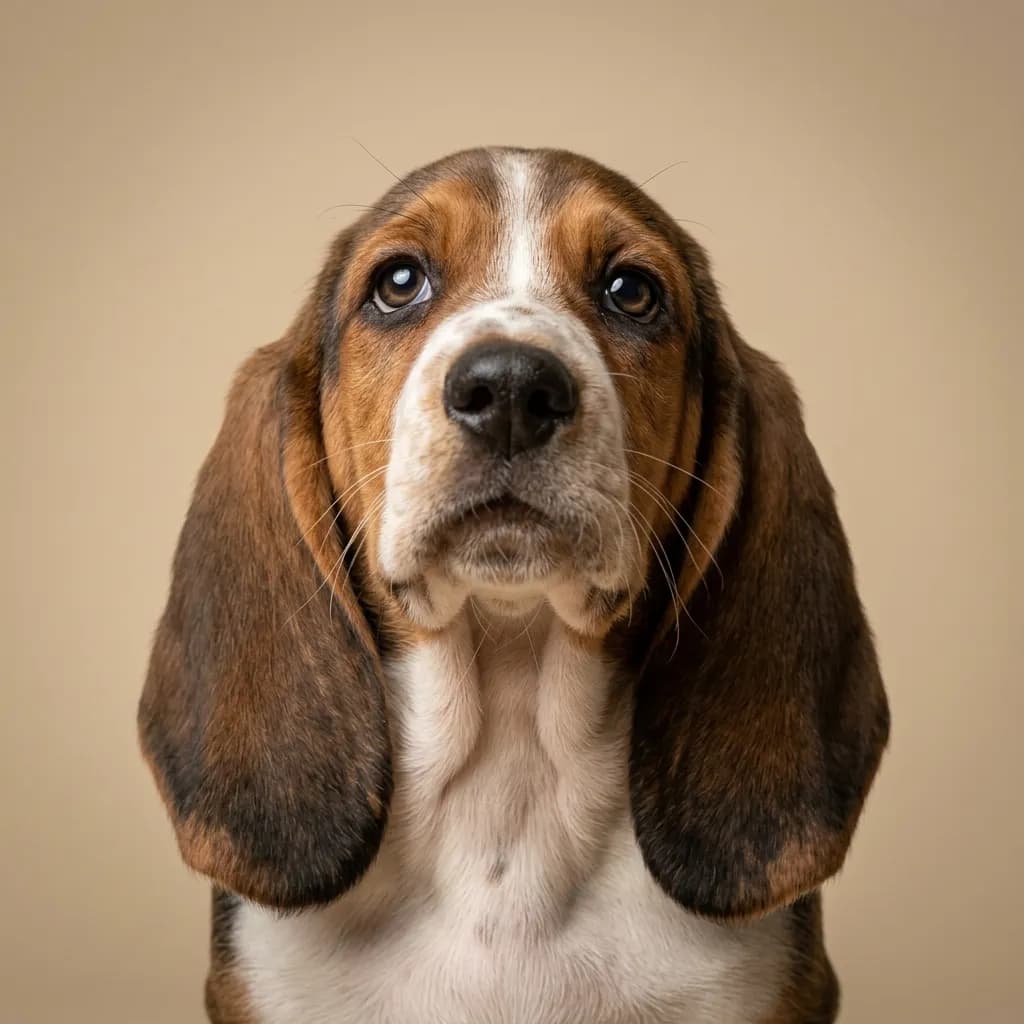
People compare Basset Hounds and Working Kelpies because both are doggedly persistent in their own way. on paper, they’re loyal, good with kids, and built for a purpose. But that’s where the similarities end. Think of it like choosing between a porch philosopher and a field general. The Basset Hound is the laid-back cousin who’s always down for a nap and a snack. He’s built low to the ground for tracking scent close to earth, and he’ll follow his nose through your backyard like it’s a five-star buffet. You’ll love his calm charm if you’re a senior, a family in an apartment, or just someone who values peace over pandemonium. But don’t expect brisk hikes or off-leash reliability. His recall is spotty, his barking can be relentless, and if you’re not careful with his food, he’ll tip the scales fast. He’s happy just being with you, even if "with you" means sprawled on the couch. The Working Kelpie? He’s not a pet so much as a partner. Bred to cover miles of Australian outback herding sheep, he needs a job. literally. Without one, he’ll invent tasks like chasing the vacuum or nipping at kids’ heels. He’s brilliant, intense, and thrives under an experienced hand. You don’t just walk a Kelpie. You work him. Daily. He’s not for city living or anyone who thinks “walk” means “around the block.” Here’s the real talk: the Basset’s stubbornness is cute. The Kelpie’s isn’t. It’s functional. He questions commands not because he’s obstinate but because he’s calculating the most efficient move. like a border collie with more muscle and less patience. Pick the Basset if you want a mellow shadow. Pick the Kelpie only if you’re ready to lead something bigger than yourself.
Trait-by-trait
Higher bar = more of that trait. Shedding, barking, drooling, grooming flipped for readability.Where they diverge
Choose the Basset Hound if…
- Families
- Apartment dwellers
- Seniors
- You value good with other dogs — Basset Hound scores noticeably higher.
Choose the Working Kelpie if…
- Farmers and ranchers
- Experienced dog owners
- Active rural lifestyles
- You value energy level — Working Kelpie scores higher here.