Beagle vs Icelandic Sheepdog
Side-by-side comparison across all 14 AKC trait ratings, with a clear verdict on which breed fits which kind of household.

Not sure which breed fits your life?
Answer five questions about your home, your schedule, and your tolerance for shedding. We’ll match you to your top three breeds from over 200.
Beagle vs Icelandic Sheepdog
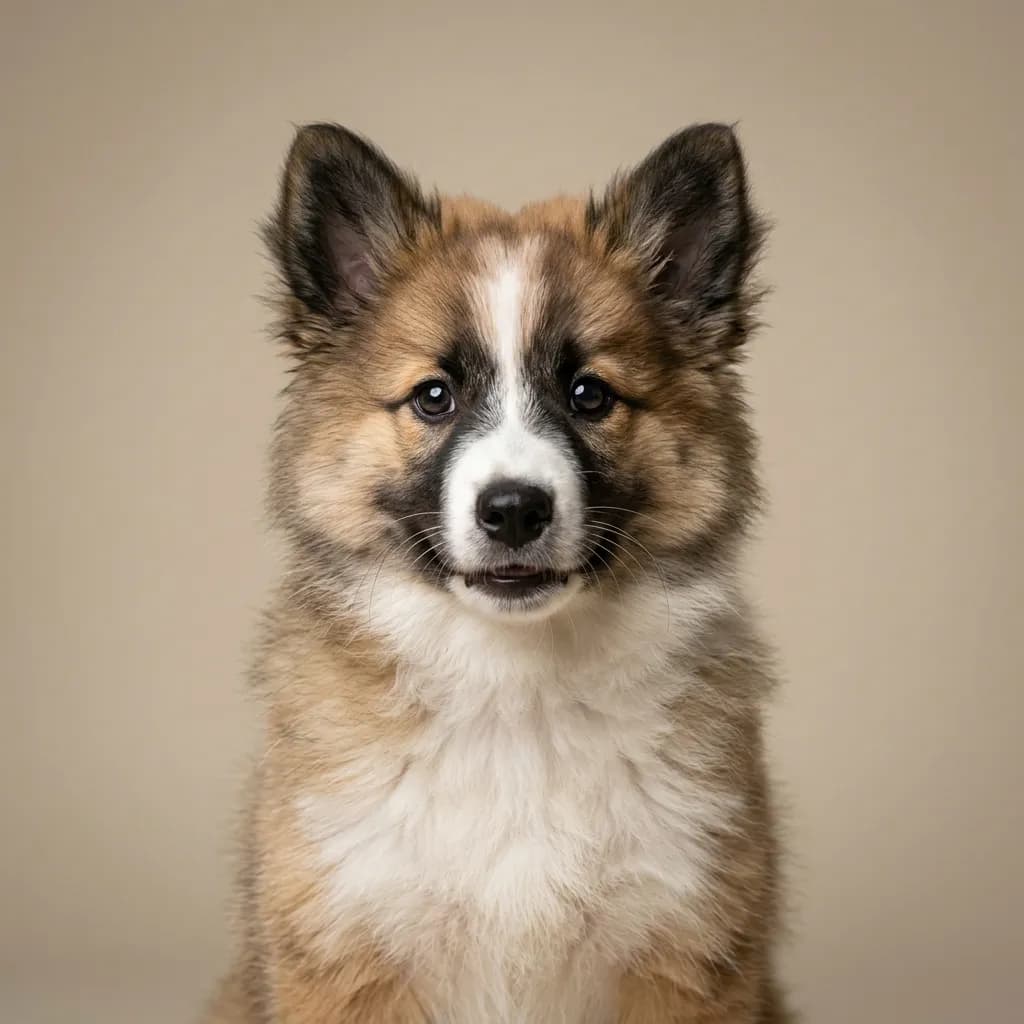
People compare Beagles and Icelandic Sheepdogs because they’re both medium-sized, friendly, and look deceptively manageable. fluffy or compact, wagging tails, big personalities. But scratch the surface and they’re built for entirely different worlds. If you’re choosing between them, you’re really asking: do you want a nose-driven explorer or a people-obsessed partner? The Beagle is a scent hound through and through. That means they’re wired to follow their nose, often straight into trouble. You’ll love their goofy, merry spirit and how they get along with kids and other pets. But don’t expect reliable recall. Off-leash freedom? Forget it unless you’ve got a fenced wonderland. They’re stubborn in training, bark when excited, and yes, they’ll howl. They’re adaptable but need space to sniff. The Icelandic Sheepdog, meanwhile, is a herding breed with a Velcro soul. They’re eager to learn, thrive on connection, and will shadow you like a furry shadow. They’re more trainable and emotionally attuned, but that also means they hate being alone. Leave them isolated and they’ll bark. not from prey drive, but from loneliness. They’re built for cold weather and active families who want a dog in everything they do. Here’s the real talk: Beagles are independent adventurers who’ll charm your guests but won’t care if you’re gone all day. Icelandic Sheepdogs need you. They’re not just pets, they’re co-pilots. If you want a dog that reflects your energy and wants to be part of your life moment to moment, the Icelandic Sheepdog wins. If you want a low-maintenance companion with a big personality but a mind of its own, go Beagle. One’s a buddy, the other’s a best friend. Know which you’re signing up for.
Trait-by-trait
Higher bar = more of that trait. Shedding, barking, drooling, grooming flipped for readability.Where they diverge
Choose the Beagle if…
- Families
- First-time owners
- Suburban homes
- You value good with other dogs — Beagle scores noticeably higher.
Choose the Icelandic Sheepdog if…
- Active families
- Cold climates
- Families with children
- You value affectionate w/ family — Icelandic Sheepdog scores higher here.