Beagle vs Otterhound
Side-by-side comparison across all 14 AKC trait ratings, with a clear verdict on which breed fits which kind of household.

Not sure which breed fits your life?
Answer five questions about your home, your schedule, and your tolerance for shedding. We’ll match you to your top three breeds from over 200.
Beagle vs Otterhound
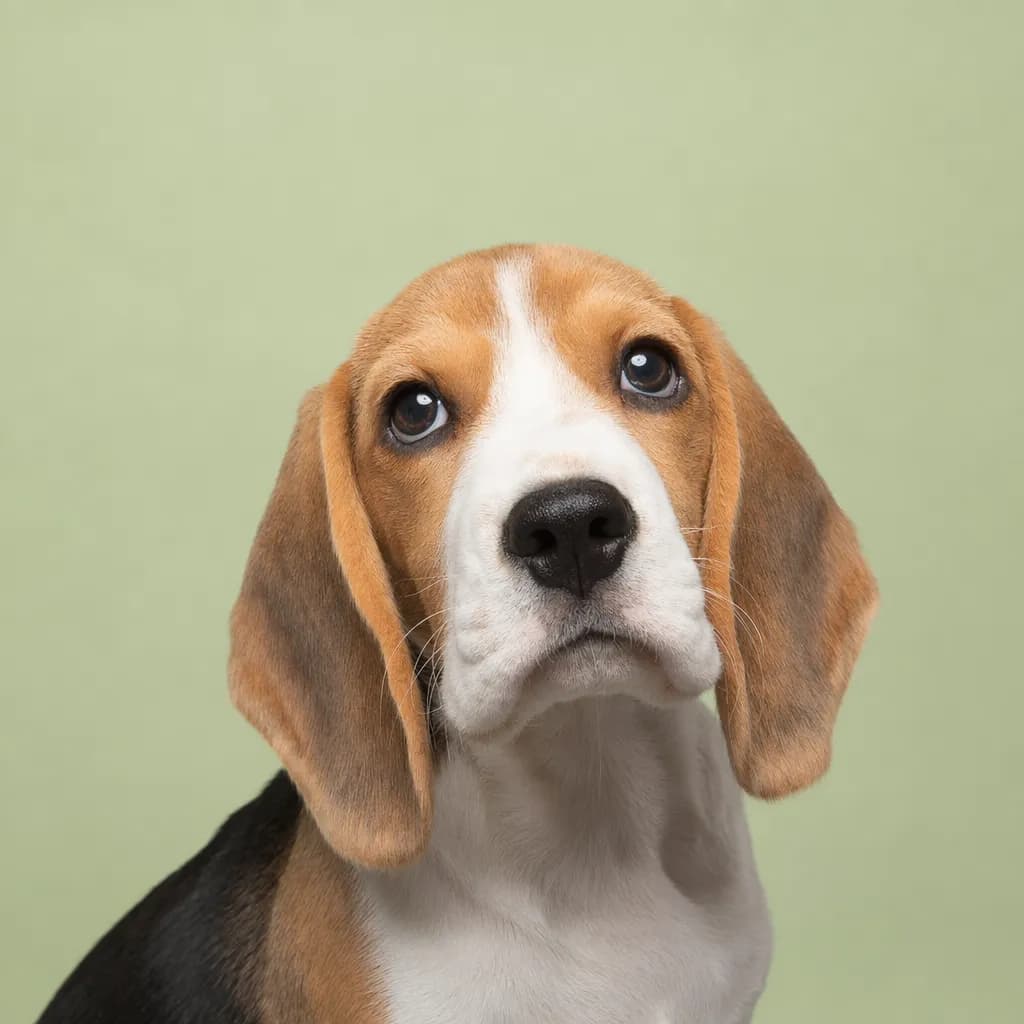
People compare Beagles and Otterhounds because both are British hounds with big personalities and even bigger noses. They’re smelly, stubborn, and built to follow scents no human can detect. But that’s where the similarity ends. Choosing between them is like deciding between a compact SUV and a lumbering farm truck. you might need both, but you’ll never use them the same way. The Beagle is the approachable, manageable hound. At under 30 pounds, it fits in suburban yards, car backseats, and family life. It’s merry, loud, and endlessly curious, with a bark that can annoy neighbors but a face that makes kids fall in love. It’s not the easiest to train, and it’ll ditch you mid-park visit for a squirrel trail. But it’s affordable, common enough to find, and thrives in homes where someone’s around to manage its energy. The Otterhound? It’s a gentle giant with a beard that drips after every drink and a coat that smells like wet dog even when it’s dry. Twice the size of a Beagle, built for swimming rivers and wrestling otters, it’s boisterous but surprisingly steady. It bonds deeply, drools everywhere, and barks like a foghorn. You won’t find one at every breeder. it’s rare, expensive, and needs space, water access, and a yard it can patrol. Here’s the real talk: both will ignore you when a scent hits. But the Otterhound’s bark carries for miles and its size means one leap can knock over a child. Families with little kids should think hard. Beagles are better for most first-time owners. Otterhounds? They’re for hound fanatics who want a dog that’s more adventure partner than cuddle buddy. If you’re drawn to the Otterhound, it’s probably because you’ve already fallen for its weirdness. and that’s exactly what you’re signing up for.
Trait-by-trait
Higher bar = more of that trait. Shedding, barking, drooling, grooming flipped for readability.Where they diverge
Choose the Beagle if…
- Families
- First-time owners
- Suburban homes
- You value good with young children — Beagle scores noticeably higher.
Choose the Otterhound if…
- Active families
- Rural settings
- Outdoor and swimming enthusiasts
- You value affectionate w/ family — Otterhound scores higher here.