Bloodhound vs Otterhound
Side-by-side comparison across all 14 AKC trait ratings, with a clear verdict on which breed fits which kind of household.
Not sure which breed fits your life?
Answer five questions about your home, your schedule, and your tolerance for shedding. We’ll match you to your top three breeds from over 200.
Bloodhound vs Otterhound
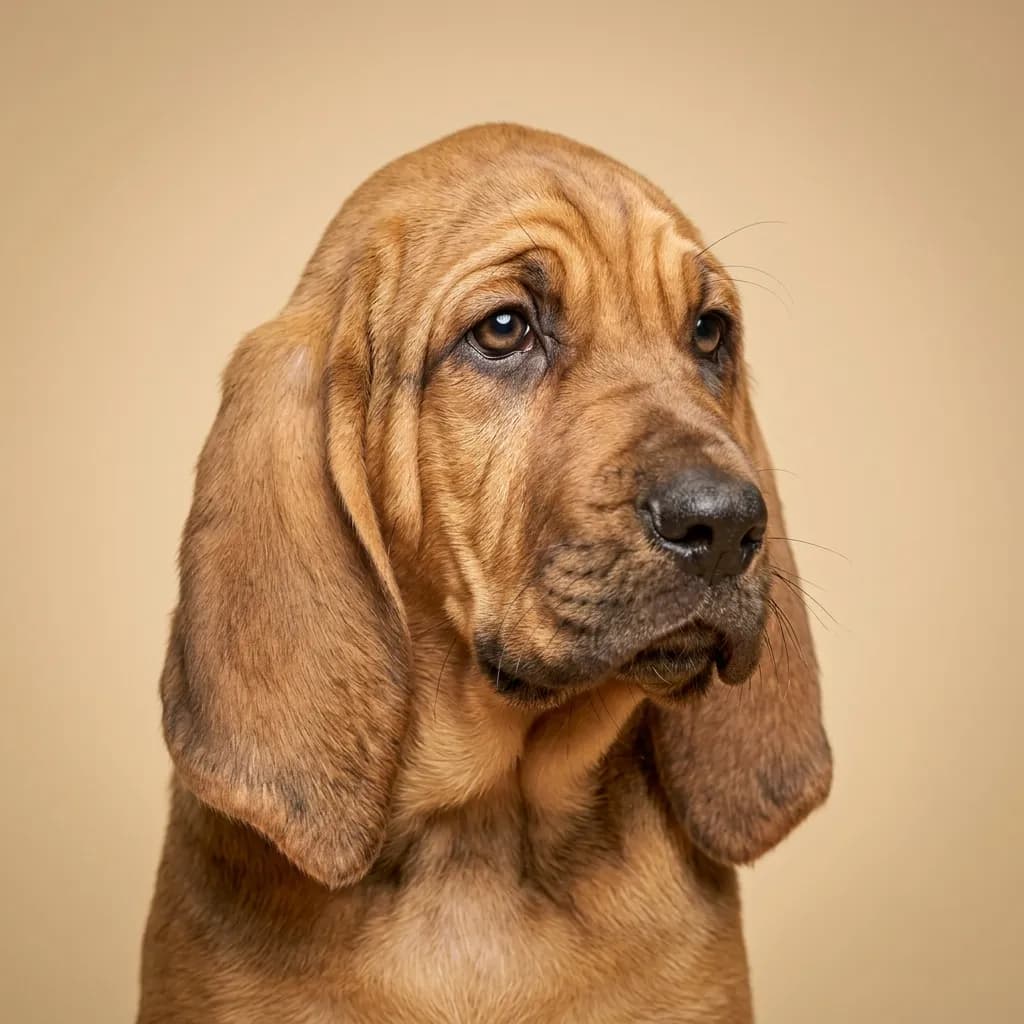
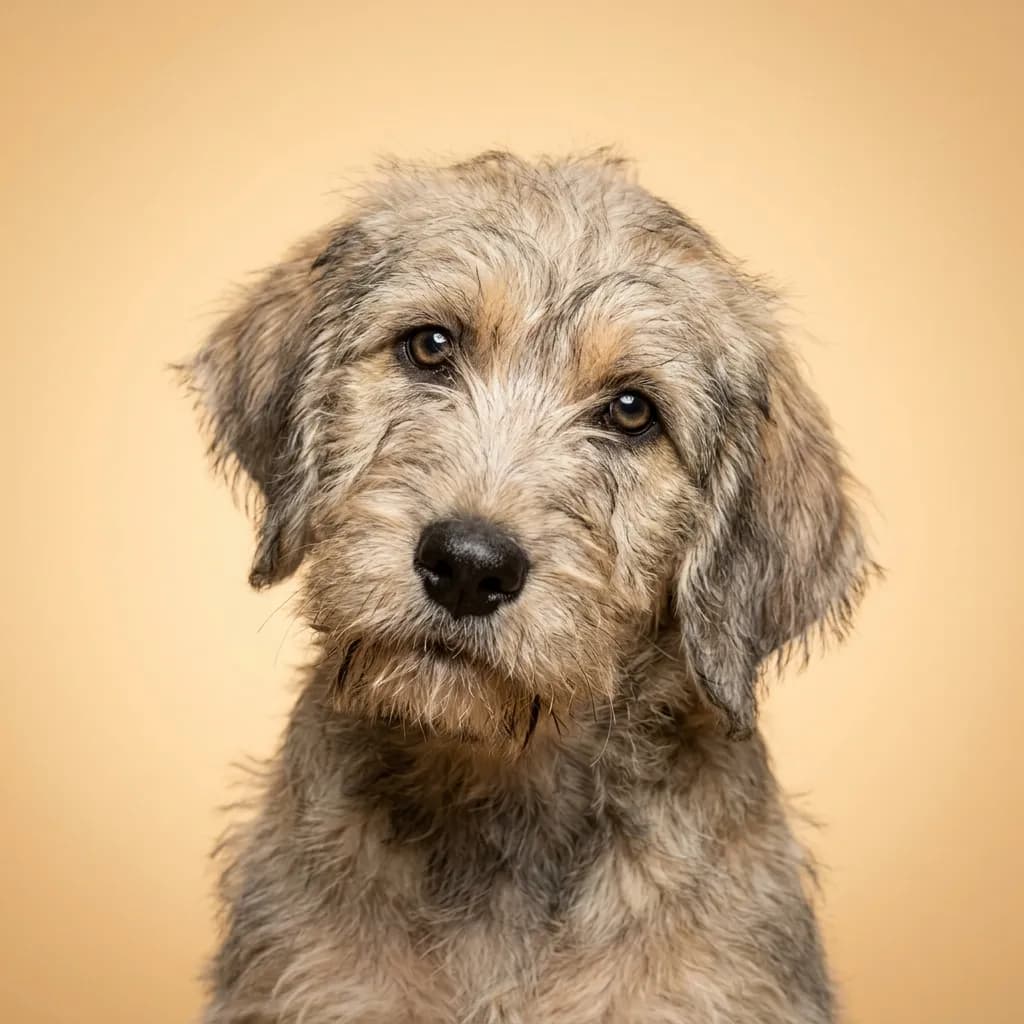
People compare Bloodhounds and Otterhounds because they’re both big, drooly, old-school scent hounds with ears that drag on the ground and voices that carry for miles. They look like distant cousins. and they are, in spirit if not lineage. But choosing between them isn’t just about which floppy ears you like more. It’s about what kind of chaos you’re ready for. The Bloodhound is the laser-focused detective of the two. Bred to track a single human scent for miles, this dog will follow a trail through traffic, bad weather, and your neighbor’s backyard barbecue like nothing else matters. And honestly, it probably doesn’t. They’re independent thinkers, which means they’ll bark. constantly. and wander if not contained. A Bloodhound needs a job, a huge yard, and an owner who understands that “come here” is more of a suggestion than a command. The Otterhound, on the other hand, is the weird, lovable cousin who shows up with mud on his face and a fish in his mouth. Rarer than a Bloodhound. there are fewer than 1,000 in the world. he was built to scramble over rocks, swim in cold rivers, and bark up otters from the reeds. He’s just as loud, but more adaptable, more openly affectionate. He’ll lean into your side like a wet, bearded couch. And yes, he drools. A lot. One honest insight: neither will ever be off-leash reliable. Not really. But if you want a dog that’s obsessed with a scent trail and thrives in structured tracking work, go Bloodhound. If you want a goofy, rugged companion who loves water and doesn’t mind city noises or occasional visitors, the Otterhound might just steal your heart. and your towel. Just don’t buy either if you value silence or clean floors.
Trait-by-trait
Higher bar = more of that trait. Shedding, barking, drooling, grooming flipped for readability.Where they diverge
Choose the Bloodhound if…
- Active people
- Rural homes
- Hunters
- You value drooling level — Bloodhound scores noticeably higher.
Choose the Otterhound if…
- Active families
- Rural settings
- Outdoor and swimming enthusiasts
- You value affectionate w/ family — Otterhound scores higher here.