Bedlington Terrier vs Bichon Frise
Side-by-side comparison across all 14 AKC trait ratings, with a clear verdict on which breed fits which kind of household.
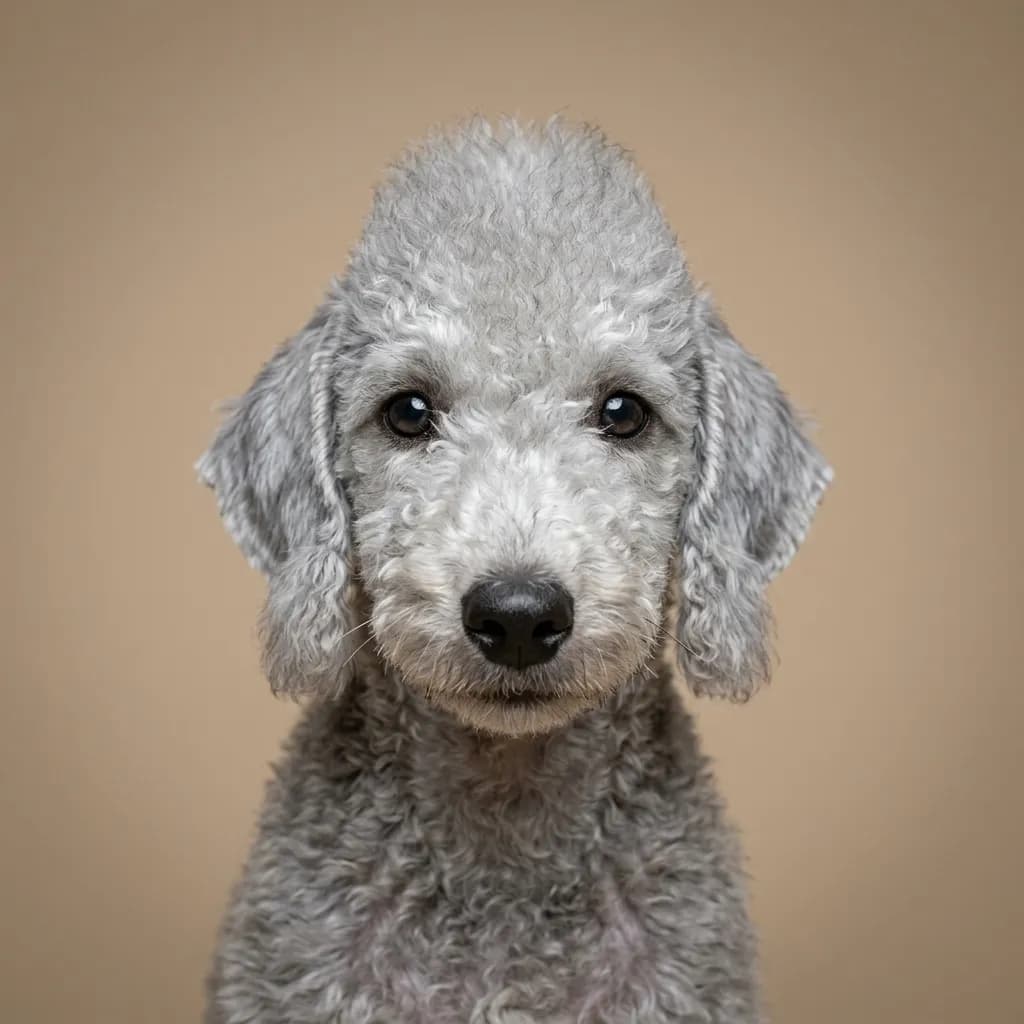
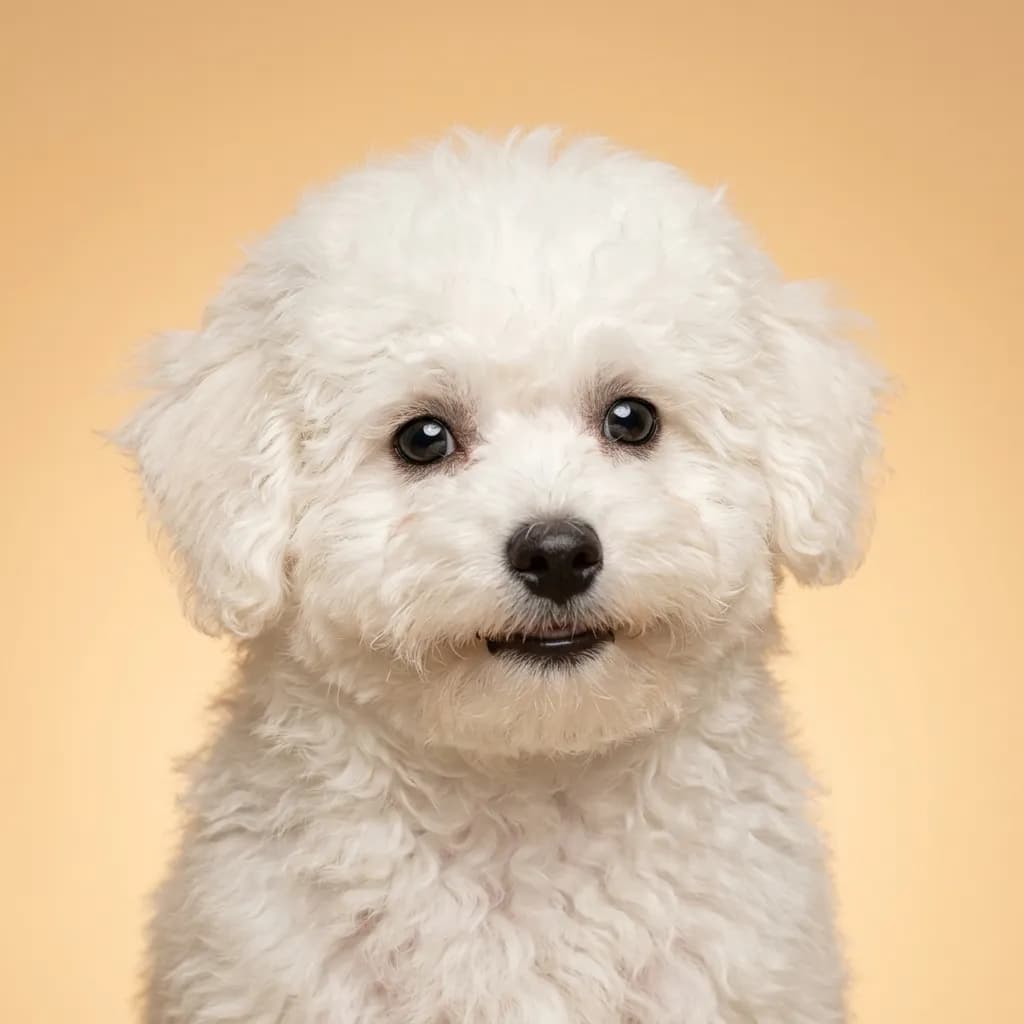
Not sure which breed fits your life?
Answer five questions about your home, your schedule, and your tolerance for shedding. We’ll match you to your top three breeds from over 200.
Bedlington Terrier vs Bichon Frise
People compare Bedlingtons and Bichons because they look vaguely alike. fluffy, curly-coated little rascals that don’t shed much and seem perfect for apartment living. But don’t let the poofy exteriors fool you. These dogs come from entirely different worlds. The Bedlington Terrier is a miner’s dog turned gentleman, bred to chase vermin in dark tunnels and wrestle badgers if needed. He’s got that wild edge under the lamb-like coat. He’s loyal and charming, but he’s not always eager to please. Training takes patience, and you’ll need to commit to weekly clipping and hand-stripping. He’s great with older kids but might not grasp that he could accidentally bowl over a toddler. And if you have a hamster or cat he hasn’t grown up with? Good luck. His prey drive is real. The Bichon Frise, on the other hand, was born to charm. He’s the court jester of the dog world. peppy, affectionate, and built for people. He thrives on attention and adapts easily to city studios or suburban homes. He’s easier to train, loves kids deeply, and tends to get along with everyone. But don’t mistake his sweetness for low maintenance. That cloud-like coat mats fast, and skipping grooming appointments turns him into a felted disaster. Here’s the truth beyond the data: the Bichon wants to be your shadow. The Bedlington wants to be your partner in adventure. If you’re home a lot and want a joyful, people-focused dog, go Bichon. If you’re active, experienced, and want a quirky, spirited companion with terrier grit, the Bedlington could be your guy. Just don’t buy either breed expecting a hands-off pet. they both demand time, care, and love, just in different ways.
Trait-by-trait
Higher bar = more of that trait. Shedding, barking, drooling, grooming flipped for readability.Where they diverge
Choose the Bedlington Terrier if…
- Apartments
- Active people
- Allergy sufferers
- You value watchdog / protective — Bedlington Terrier scores noticeably higher.
Choose the Bichon Frise if…
- Apartments
- Seniors
- Families
- You value affectionate w/ family — Bichon Frise scores higher here.