Bedlington Terrier vs Norwegian Elkhound
Side-by-side comparison across all 14 AKC trait ratings, with a clear verdict on which breed fits which kind of household.

Not sure which breed fits your life?
Answer five questions about your home, your schedule, and your tolerance for shedding. We’ll match you to your top three breeds from over 200.
Bedlington Terrier vs Norwegian Elkhound
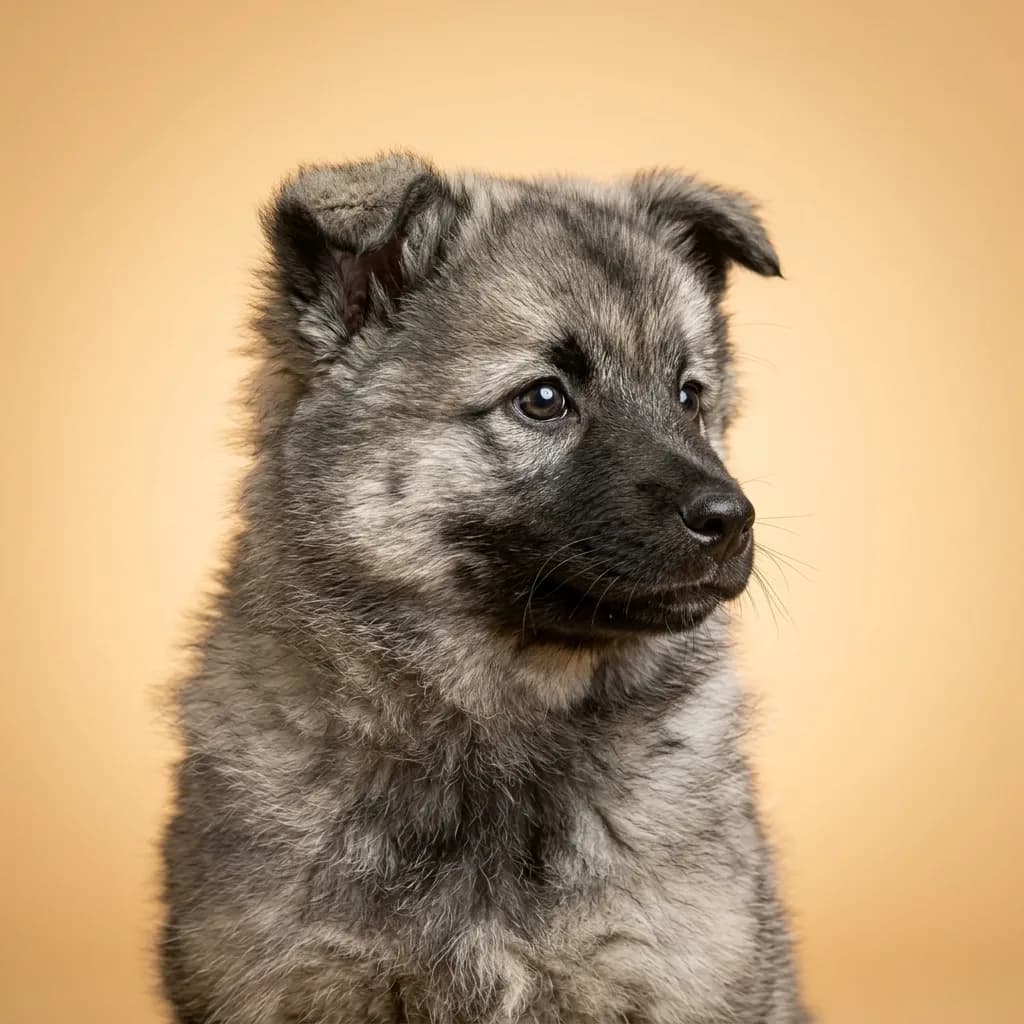
People compare the Bedlington Terrier and Norwegian Elkhound because both are mid-to-large sized, active dogs with a rugged charm and a flair for the dramatic. But that’s where the similarities end. One looks like a sculpted lamb with a heart of mischief, the other like a wolf that just decided to come in for dinner. Choosing between them isn’t just preference. it’s lifestyle. The Bedlington is a scrappy romantic. At under 23 pounds, he’s light on his feet but big on energy, bred to dive into mine shafts after vermin. He’s quiet on the shedding scale. great for allergies. but demand high grooming. Skip a trim and he starts looking like a disheveled mop. He’s loyal and frolicsome, but if you have a hamster or cat, he might see them as prey. He’s better in apartments, but only if you’re out running with him daily. The Elkhound is a northern brute with a thick double coat and a voice like a town crier. He weighs nearly twice as much, built for sub-zero treks through Norwegian forests chasing elk. He’s bolder, louder, and will bark at anything that moves. If you live in a hot climate or hate dog hair on your clothes, he’ll make you miserable. But if you’re hiking in the Rockies every weekend and want a dog who’s confident, affectionate, and watches your back, he’s gold. Here’s the real difference: the Bedlington wants to be your quirky companion. The Elkhound wants to be your partner in adventure. Pick the first if you want charm with a side of terrier tenacity. Pick the second if you need a dog that stands tall when the wind howls. and barks back.
Trait-by-trait
Higher bar = more of that trait. Shedding, barking, drooling, grooming flipped for readability.Where they diverge
Choose the Bedlington Terrier if…
- Apartments
- Active people
- Allergy sufferers
- You value coat grooming — Bedlington Terrier scores noticeably higher.
Choose the Norwegian Elkhound if…
- Active families
- Cold climate dwellers
- Outdoor and hiking enthusiasts
- You value affectionate w/ family — Norwegian Elkhound scores higher here.