Bedlington Terrier vs Pekingese
Side-by-side comparison across all 14 AKC trait ratings, with a clear verdict on which breed fits which kind of household.
Not sure which breed fits your life?
Answer five questions about your home, your schedule, and your tolerance for shedding. We’ll match you to your top three breeds from over 200.
Bedlington Terrier vs Pekingese
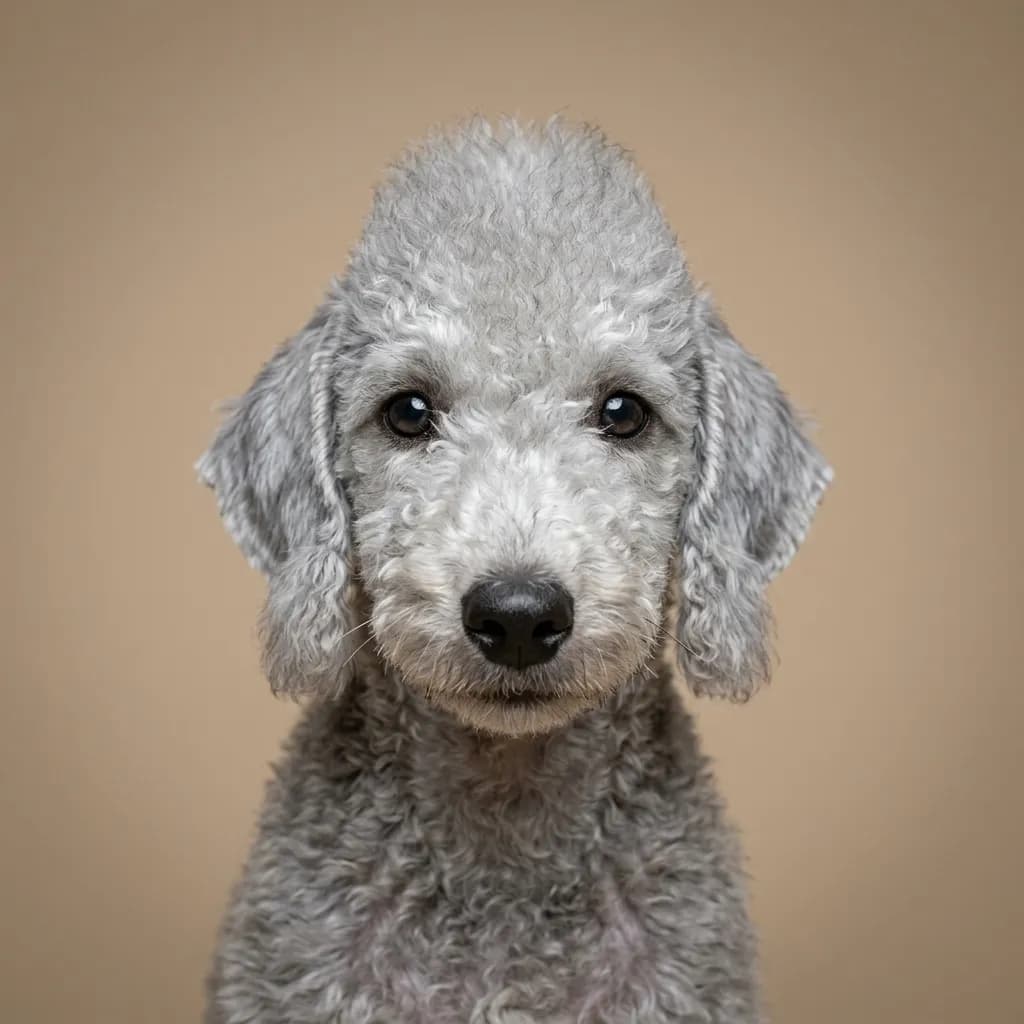
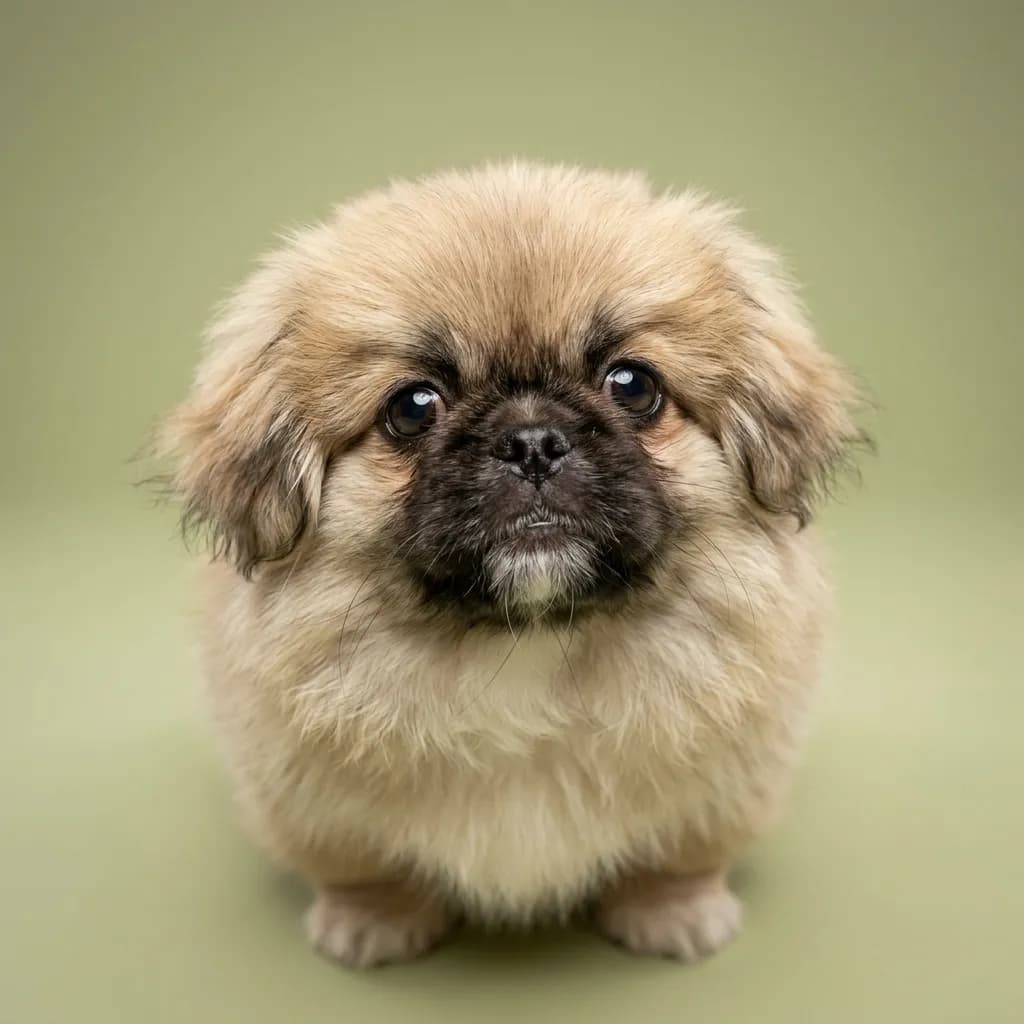
People compare Bedlington Terriers and Pekingese because they’re both small, fluffy, and look like they stepped out of a fairy tale. But that’s where the similarity ends. Think of the Bedlington as the wiry artist who jogs before breakfast and needs weekly grooming appointments. The Pekingese? That’s the regal couch philosopher who judges you from the pillow pile and just wants affection on their terms. The Bedlington’s built for movement. Descended from mine shaft ratters, they’ve got energy to burn and need daily walks, mental challenges, and a secure yard. because the second they spot a squirrel, that terrier instinct kicks in. They’re loyal and charming, yes, but they’re not lapdogs. If you’ve got allergies, their low-shedding coat is a godsend, but it demands trimming every few weeks. Skip it, and you’ll have a matted lamb on your hands. The Pekingese is the opposite. They’re bred for temple thrones, not trails. Their flat faces mean they overheat easily, so long walks in summer? Forget it. They’re deeply affectionate with their person, but can be aloof with strangers and intolerant of rambunctious kids. They’ll nap in your lap for hours, but don’t expect fetch. And while they shed moderately, it’s their health risks. especially spinal issues and breathing trouble. that you must plan for. Choose the Bedlington if you’re active, don’t mind grooming, and want a dog who’s part companion, part co-adventurer. Pick the Pekingese if you live quietly, value closeness over activity, and can commit to preventive vet care. Here’s the real talk: the Pekingese may seem easier, but their health needs are high-maintenance in ways you can’t groom away.
Trait-by-trait
Higher bar = more of that trait. Shedding, barking, drooling, grooming flipped for readability.Where they diverge
Choose the Bedlington Terrier if…
- Apartments
- Active people
- Allergy sufferers
- You value barking level — Bedlington Terrier scores noticeably higher.
Choose the Pekingese if…
- Apartment living
- Seniors
- Singles or couples
- You value affectionate w/ family — Pekingese scores higher here.