Belgian Laekenois vs Norwegian Elkhound
Side-by-side comparison across all 14 AKC trait ratings, with a clear verdict on which breed fits which kind of household.

Not sure which breed fits your life?
Answer five questions about your home, your schedule, and your tolerance for shedding. We’ll match you to your top three breeds from over 200.
Belgian Laekenois vs Norwegian Elkhound
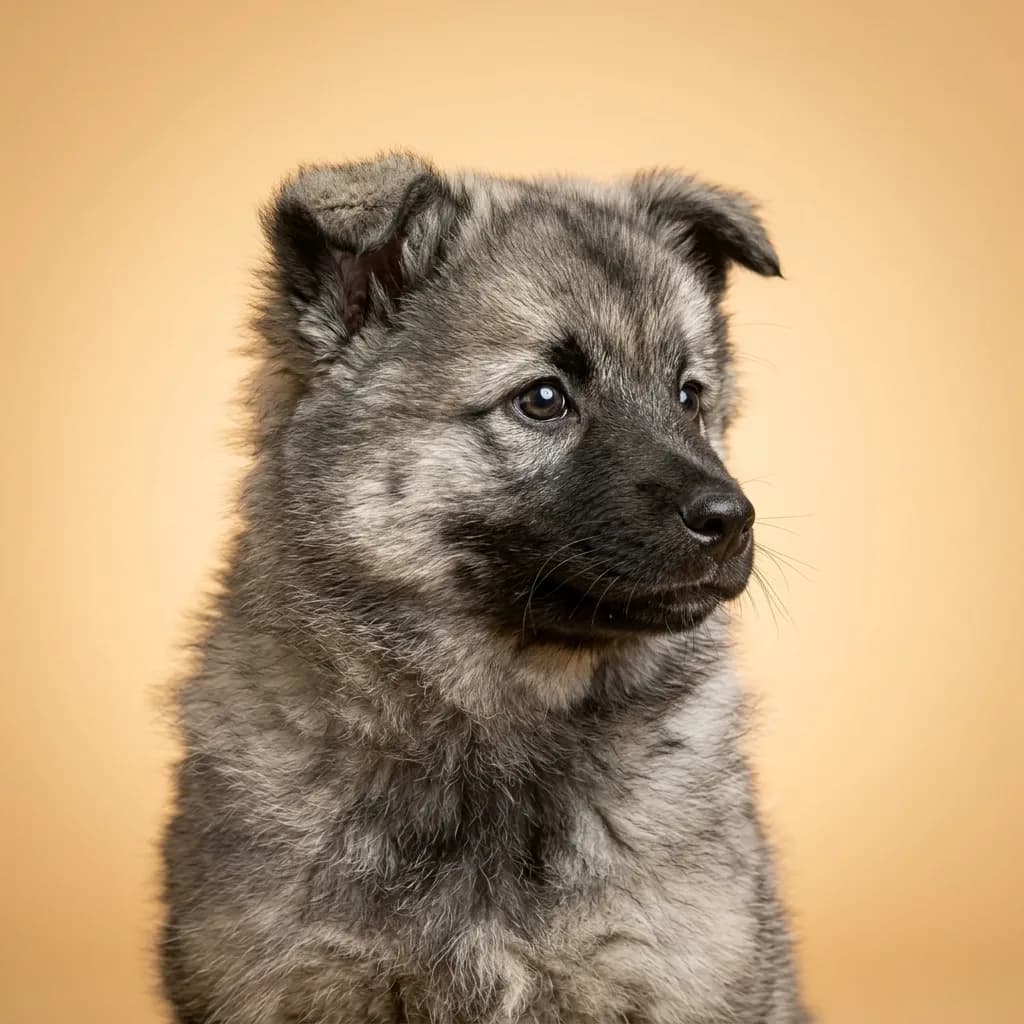
People don’t usually pit the Belgian Laekenois against the Norwegian Elkhound, but if you’re hunting for a rugged, medium-to-large working dog with a wiry coat and a serious job history, these two come up in the same niche search. Both are loyal, energetic, and far from lazy couch potatoes. But that’s where the similarities start to unravel. The Laekenois is the more intense of the two. Bred to guard linen in Belgian fields. yes, really. it’s hyper-aware, deeply intelligent, and thrives when it has a job or complex training to master. You’ll need experience to handle its sharp mind and need for structure. It bonds fiercely with its person, but it’s not necessarily the dog you want if you’re bringing kids over every weekend. It’s adaptable only in the sense that it can live in different homes, but it won’t adapt to a chaotic or low-activity lifestyle. The Elkhound, on the other hand, is the bolder extrovert. Confident, friendly, and built for subzero treks, it’s the dog that’ll bark at the moose and then try to befriend it. It’s more family-savvy and handles routine changes better. But don’t be fooled by its silver coat and wolfish charm. it sheds like a dust storm and barks at everything. If you live in Arizona or hate vacuuming, this isn’t your breed. Here’s the real difference: the Laekenois needs a co-pilot, someone to work alongside. The Elkhound wants to be your enthusiastic partner in adventure. Pick the Laekenois if you want a precision instrument. Pick the Elkhound if you want a loyal, loud, all-weather companion who treats life like a Nordic expedition.
Trait-by-trait
Higher bar = more of that trait. Shedding, barking, drooling, grooming flipped for readability.Where they diverge
Choose the Belgian Laekenois if…
- Experienced owners
- Active people
- Working roles
- You value trainability — Belgian Laekenois scores noticeably higher.
Choose the Norwegian Elkhound if…
- Active families
- Cold climate dwellers
- Outdoor and hiking enthusiasts
- You value affectionate w/ family — Norwegian Elkhound scores higher here.