Belgian Laekenois vs Otterhound
Side-by-side comparison across all 14 AKC trait ratings, with a clear verdict on which breed fits which kind of household.
Not sure which breed fits your life?
Answer five questions about your home, your schedule, and your tolerance for shedding. We’ll match you to your top three breeds from over 200.
Belgian Laekenois vs Otterhound
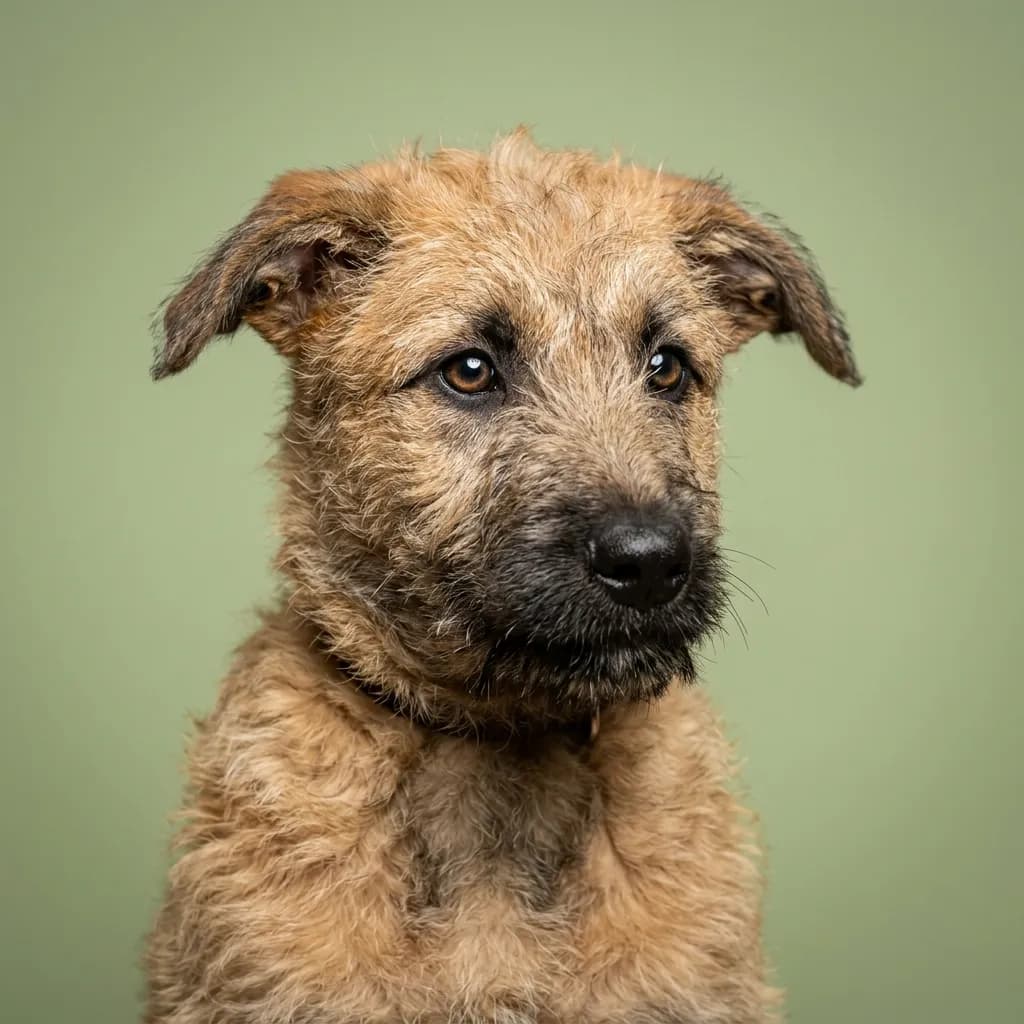
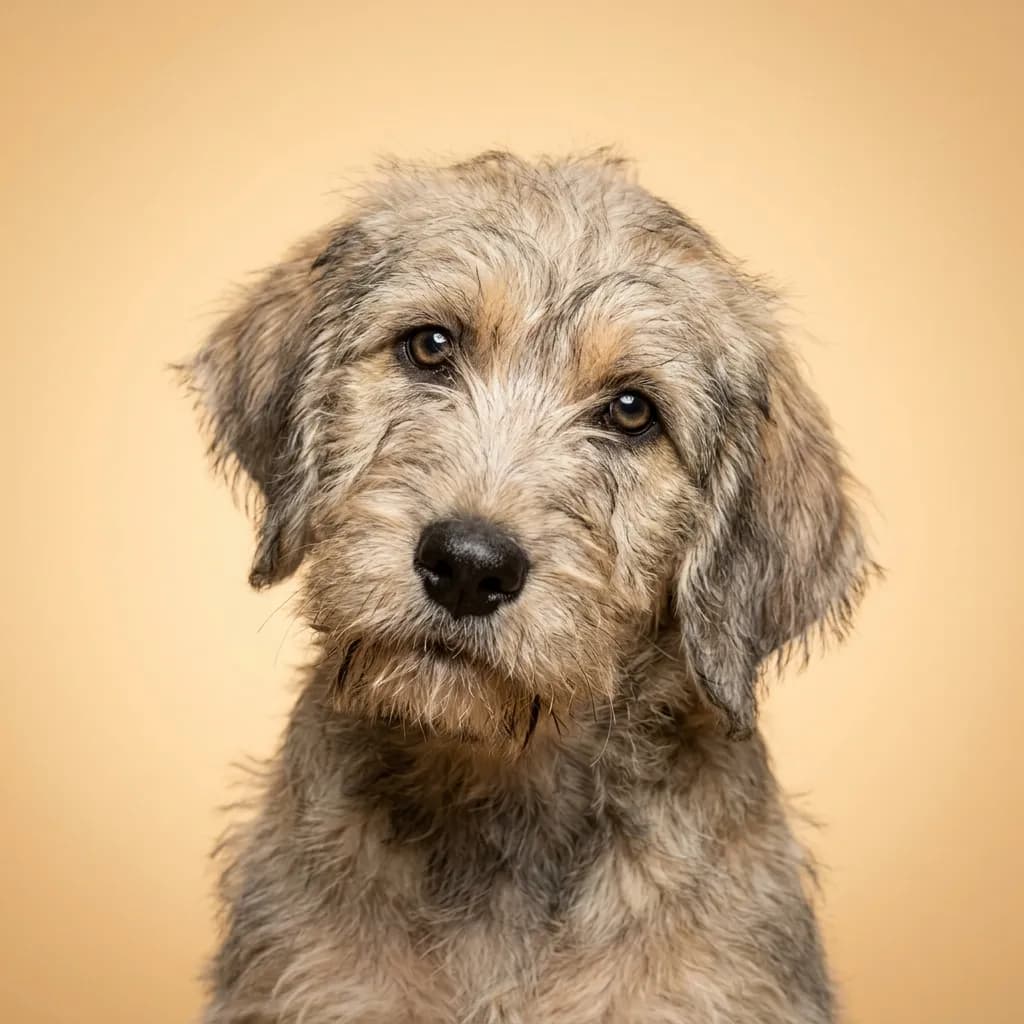
You don’t see people comparing Belgian Laekenoises and Otterhounds every day, but when they do, it’s usually because they want a rare, rugged-looking dog with a job to do and a heart to match. Both are scruffy, independent in their own ways, and far from beginner-friendly. But that’s where the similarities end. The Laekenois is the high-strung athlete of the two, built for precision. Think of them as the Belgian special ops dog. intense, laser-focused, and happiest when you’re training, hiking, or competing. They bond deeply with their person and need a job or they’ll invent one, like reorganizing your sock drawer at 3 a.m. You can’t wing it with this breed. First-time owners will be outmatched; their 5/5 trainability means they learn fast, but that also means they’ll pick up bad habits just as quickly. And yes, they’ll bark at the mail carrier like it’s their sworn duty. The Otterhound is the lovable, shaggy philosopher of the riverbank. Big, boisterous, and built like a furry tank, they’re more laid-back but come with quirks. They drool. They smell like wet dog. permanently. And they bark. A lot. But they’re deeply affectionate, goofy in a gentle way, and adapt better to family life than the high-voltage Laekenois. Just don’t expect them to come when called. That otter-chasing instinct runs deep. Pick the Laekenois if you live for structure, dog sports, or need a vigilant partner. Choose the Otterhound if you’ve got space, kids who don’t mind slobber, and a sense of humor about chaos. Here’s the real talk: both breeds are rare for a reason. The Laekenois demands respect for its intensity. The Otterhound? You’re not just adopting a dog. you’re joining a cult with a membership of about 800 worldwide.
Trait-by-trait
Higher bar = more of that trait. Shedding, barking, drooling, grooming flipped for readability.Where they diverge
Choose the Belgian Laekenois if…
- Experienced owners
- Active people
- Working roles
- You value mental stimulation needs — Belgian Laekenois scores noticeably higher.
Choose the Otterhound if…
- Active families
- Rural settings
- Outdoor and swimming enthusiasts
- You value drooling level — Otterhound scores higher here.