Belgian Laekenois vs Pudelpointer
Side-by-side comparison across all 14 AKC trait ratings, with a clear verdict on which breed fits which kind of household.
Not sure which breed fits your life?
Answer five questions about your home, your schedule, and your tolerance for shedding. We’ll match you to your top three breeds from over 200.
Belgian Laekenois vs Pudelpointer
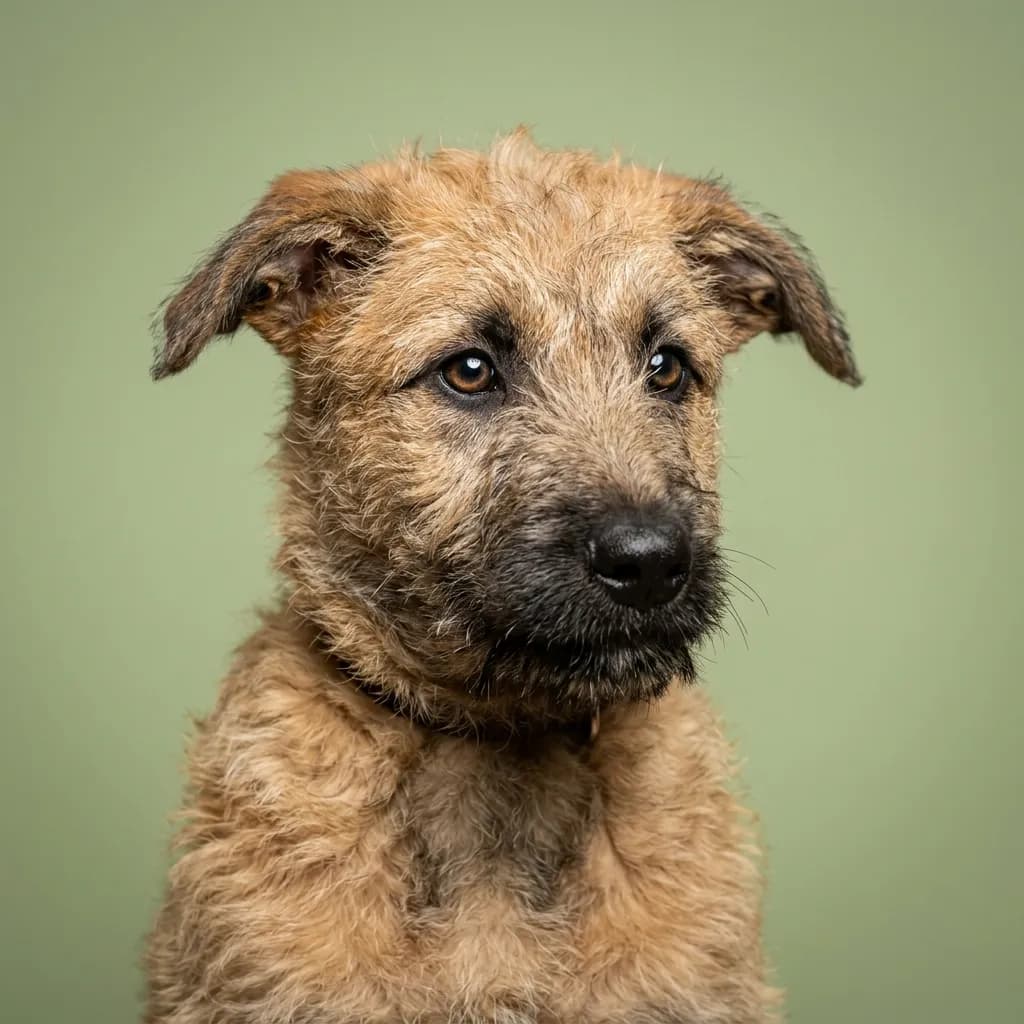
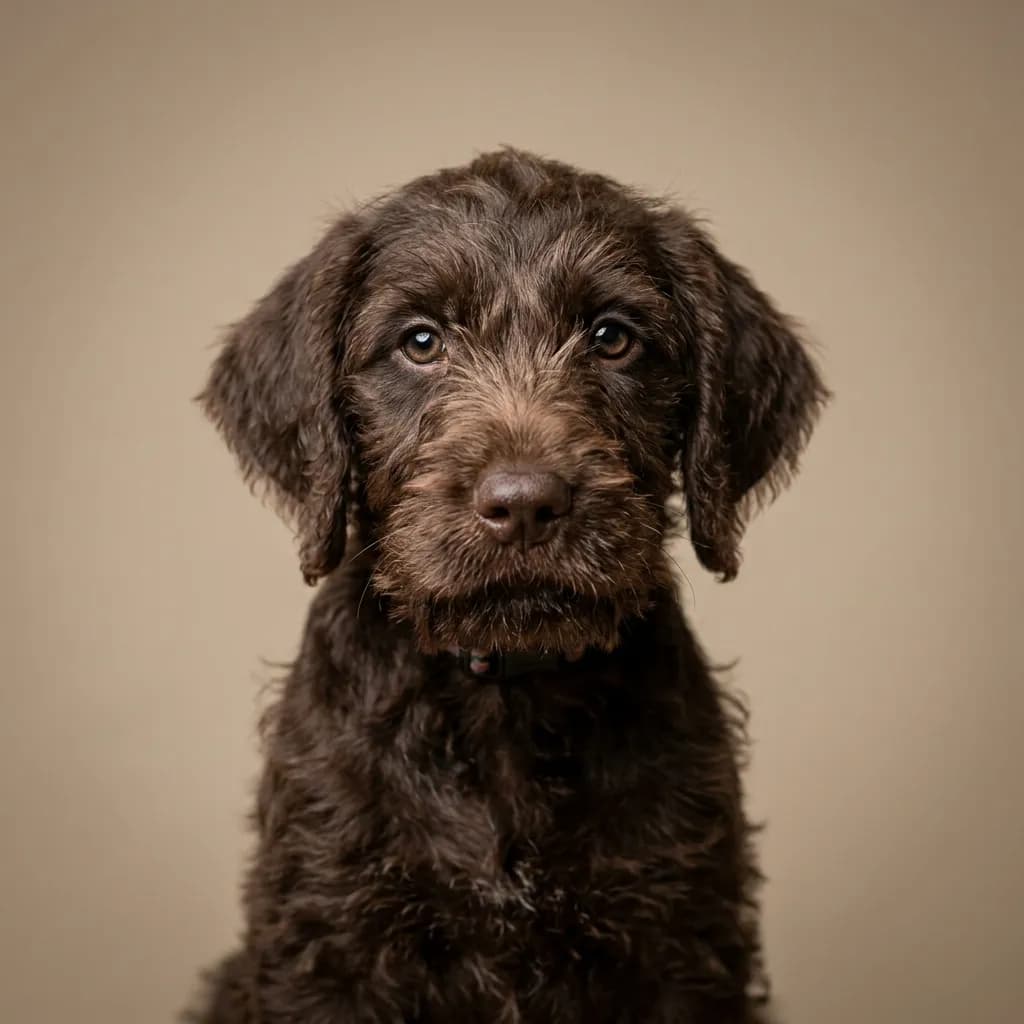
People compare Belgian Laekenois and Pudelpointers because both are rare, high-drive dogs that thrive when they have a job to do. On paper they look similar. medium to large, energetic, intelligent breeds with rough coats and 5-star trainability. But their souls point in different directions, and if you’re choosing between them, you’re really asking: do I want a guardian with opinions or a partner who lives to please? The Laekenois is the thinking person’s watchdog. It’s deeply attached, suspicious of strangers, and bred to make independent decisions while guarding linen fields in Belgium. This isn’t a dog that follows blindly. It watches, assesses, acts. That intelligence comes with a side of intensity. It’s not the easiest with kids, doesn’t adapt well to city life, and needs a confident handler. It wants to work beside you, not just for you. The Pudelpointer, on the other hand, was built for teamwork. A cross between a Poodle and a Pointer, it’s a hunting machine. equally at home tracking game in the brush or diving after downed ducks. It’s eager, biddable, and thrives with an outdoor-focused family. While it’s energetic, it’s more adaptable than the Laekenois and tends to be more naturally sociable. Here’s the thing the breed standards won’t tell you: the Laekenois will challenge you. It’s not enough to train it; you have to earn its respect. The Pudelpointer, though equally smart, will try to solve the puzzle just to see you smile. If you want a co-pilot with backbone and a bit of fire, go Laekenois. If you want a loyal companion who lives for adventure and collaboration, the Pudelpointer will become your shadow in the field and at home.
Trait-by-trait
Higher bar = more of that trait. Shedding, barking, drooling, grooming flipped for readability.Where they diverge
Choose the Belgian Laekenois if…
- Experienced owners
- Active people
- Working roles
- You value coat grooming — Belgian Laekenois scores noticeably higher.
Choose the Pudelpointer if…
- hunters
- very active owners
- waterfowl and upland bird hunters
- You value drooling level — Pudelpointer scores higher here.