Belgian Sheepdog vs Pudelpointer
Side-by-side comparison across all 14 AKC trait ratings, with a clear verdict on which breed fits which kind of household.
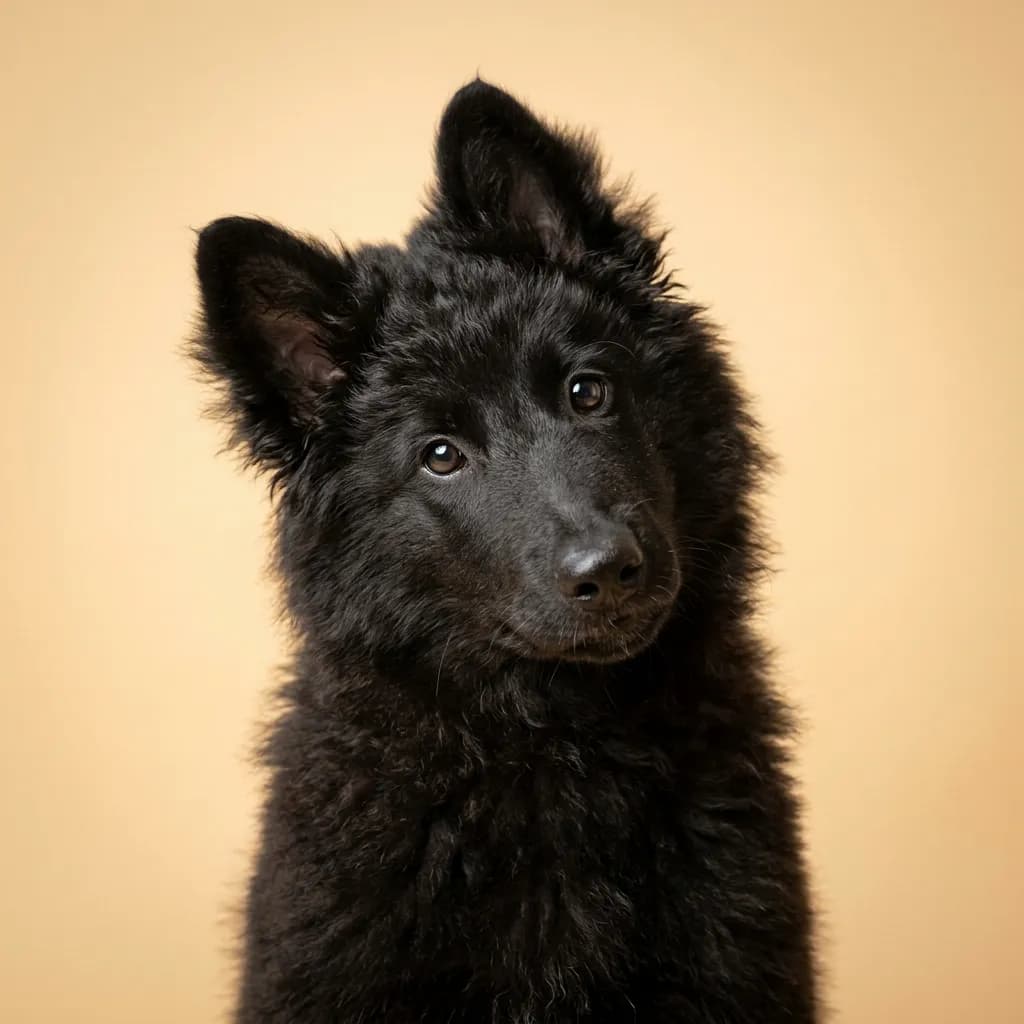
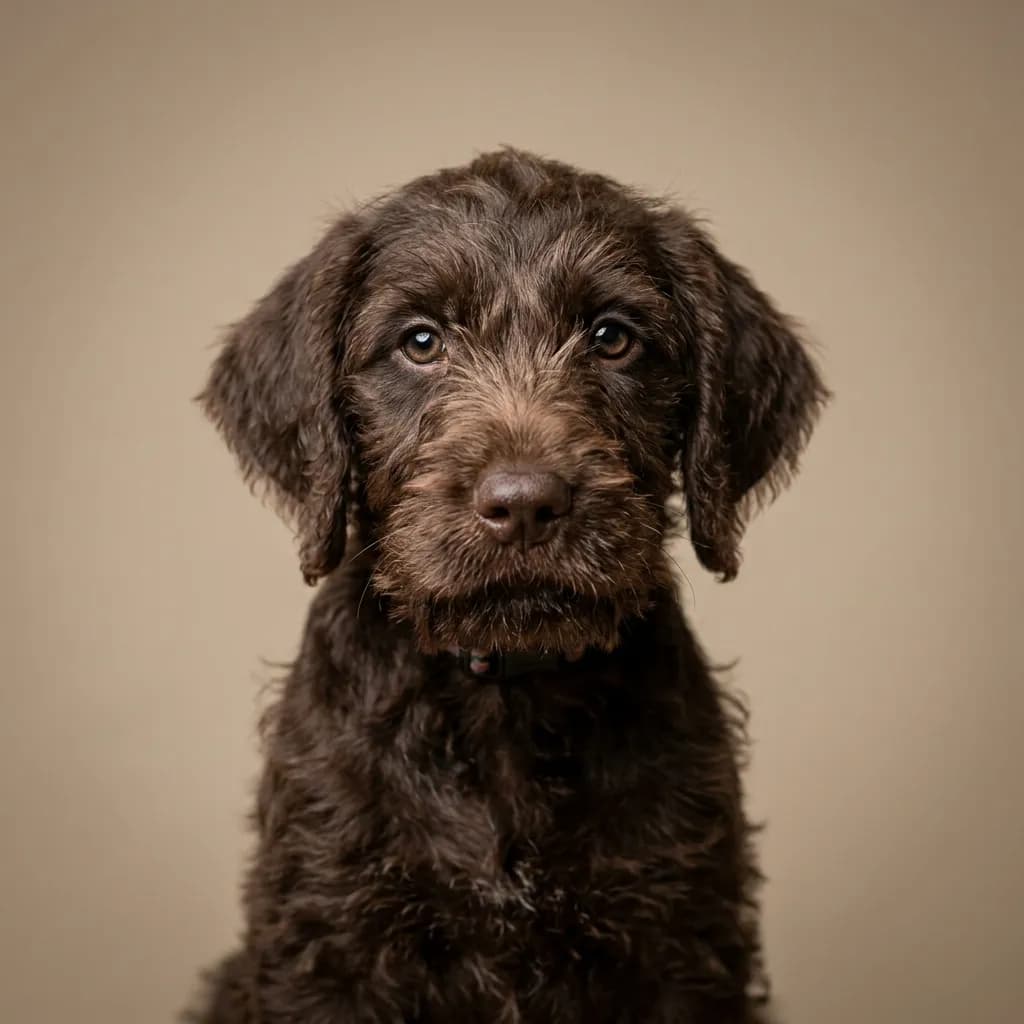
Not sure which breed fits your life?
Answer five questions about your home, your schedule, and your tolerance for shedding. We’ll match you to your top three breeds from over 200.
Belgian Sheepdog vs Pudelpointer
You don’t see Belgian Sheepdogs and Pudelpointers side by side at dog parks often, but if you’re an active person hunting for a working dog with brains and stamina, these two come up fast. Both are smart, energetic, and thrive on a job. On paper, they look like cousins. In real life, they’re built for entirely different missions. The Belgian Sheepdog is all about focus and precision. It’s the dog that watches the horizon like it’s guarding something important. because it was. Bred to herd and protect livestock in Belgium, it’s deeply loyal, serious-minded, and needs structure. You’ll need to be the clear leader. This isn’t a couch partner. It wants dog sports, advanced training, or real work. Without it, you’ll get a smart dog with too much time on its paws. and that usually means trouble. The Pudelpointer, on the other hand, is a hunter’s shadow. A mix of Poodle and Pointer, it’s rugged, water-loving, and built for days in the field. It points game, retrieves from cold water, and tracks like it’s reading invisible maps. But off-duty, it’s more relaxed than the Belgian. still active, but more adaptable. It bonds closely with its family and tends to be more naturally affectionate, especially with kids. Here’s the real difference: the Belgian Sheepdog needs a job with rules. The Pudelpointer needs a job with terrain. If you’re into agility, herding trials, or public service work, go Belgian. If you hunt, hike rugged trails, or spend weekends near water, the Pudelpointer will feel like part of your gear. And one truth most breed summaries miss: neither dog forgives neglect. Not of exercise, not of mind, not of purpose. Pick based on your life, not your dream life.
Trait-by-trait
Higher bar = more of that trait. Shedding, barking, drooling, grooming flipped for readability.Where they diverge
Choose the Belgian Sheepdog if…
- Active people
- Experienced owners
- Dog sports enthusiasts
- You value coat grooming — Belgian Sheepdog scores noticeably higher.
Choose the Pudelpointer if…
- hunters
- very active owners
- waterfowl and upland bird hunters
- You value drooling level — Pudelpointer scores higher here.