Belgian Tervuren vs Hamiltonstovare
Side-by-side comparison across all 14 AKC trait ratings, with a clear verdict on which breed fits which kind of household.

Not sure which breed fits your life?
Answer five questions about your home, your schedule, and your tolerance for shedding. We’ll match you to your top three breeds from over 200.
Belgian Tervuren vs Hamiltonstovare
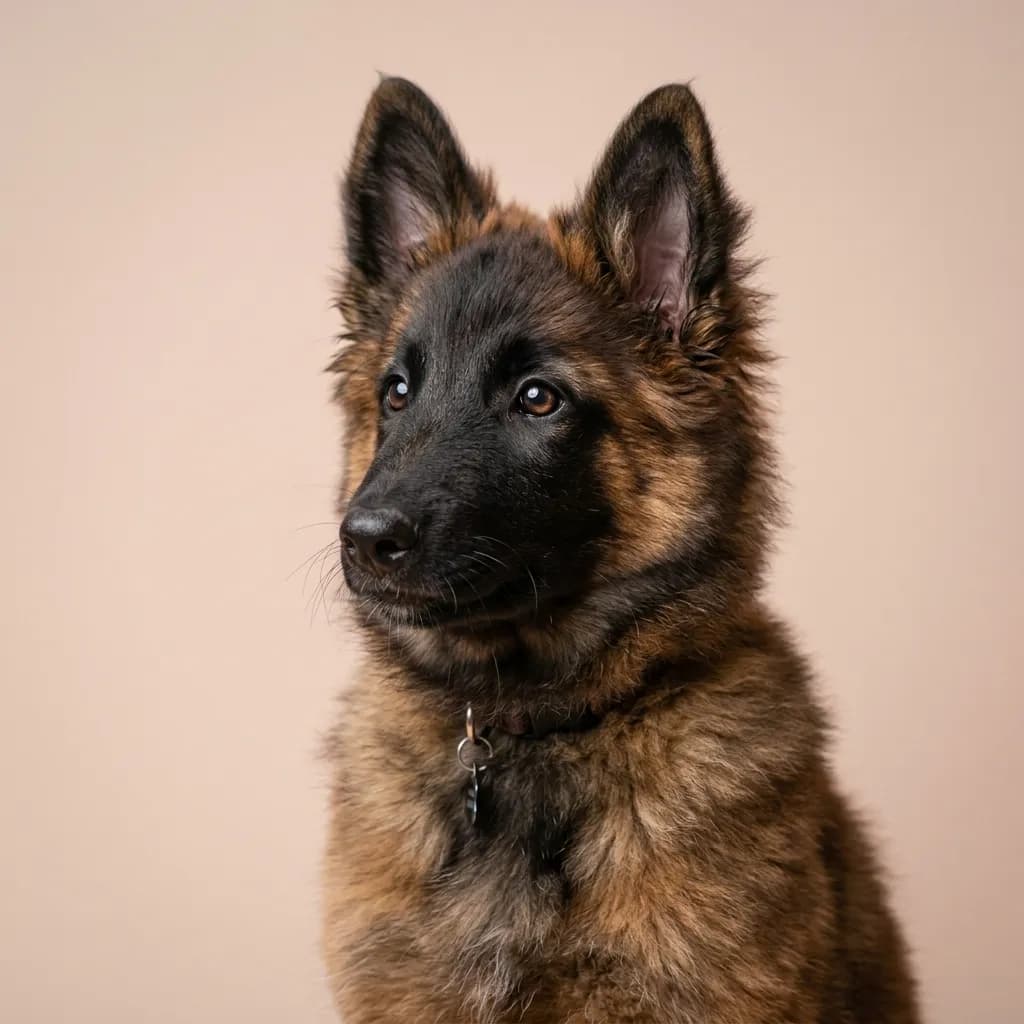
People compare Belgian Tervurens and Hamiltonstovares because they’re both medium to large, active dogs with double coats and serious working drives. On paper, they look similar. high energy, moderate shedding, not built for couch life. But their hearts beat for entirely different jobs, and that shapes everything. The Tervuren is a thinker first. Bred to herd and guard in Belgium, it’s intensely alert, deeply intelligent, and thrives on precision. You’ll need to keep its mind busy with obedience, herding trials, or advanced training. this dog notices everything and expects you to be just as sharp. It’s loyal but reserved, especially with kids, and needs experienced handling. If you’re into dog sports or want a protective, responsive partner, the Tervuren will rise to the challenge. The Hamiltonstovare, from Swedish forests, was built to follow scent trails for hours. It’s agile, persistent, and built for terrain. While trainable, it’s more independent in the field. once it catches a whiff, recall goes out the window. But at home, it’s warm, good with kids, and more openly affectionate than the Tervuren. It’s not as intense in training but needs space and a job, ideally in rural or outdoor settings. Here’s the real difference: the Tervuren wants to work with you, eye to eye. The Hamiltonstovare wants to work for you, out ahead, nose to the ground. Pick the Tervuren if you want a high-strung, brilliant partner in structured activities. Choose the Hamiltonstovare if you hunt, hike, or want a loyal family dog that doubles as a trail tracker. Neither belongs in a city apartment. And both will disappoint if you don’t give them purpose. just different kinds.
Trait-by-trait
Higher bar = more of that trait. Shedding, barking, drooling, grooming flipped for readability.Where they diverge
Choose the Belgian Tervuren if…
- Active people
- Experienced owners
- Dog sports enthusiasts
- You value trainability — Belgian Tervuren scores noticeably higher.
Choose the Hamiltonstovare if…
- Hunters
- Active families
- Rural living
- You value good with young children — Hamiltonstovare scores higher here.