Belgian Tervuren vs Spinone Italiano
Side-by-side comparison across all 14 AKC trait ratings, with a clear verdict on which breed fits which kind of household.
Not sure which breed fits your life?
Answer five questions about your home, your schedule, and your tolerance for shedding. We’ll match you to your top three breeds from over 200.
Belgian Tervuren vs Spinone Italiano
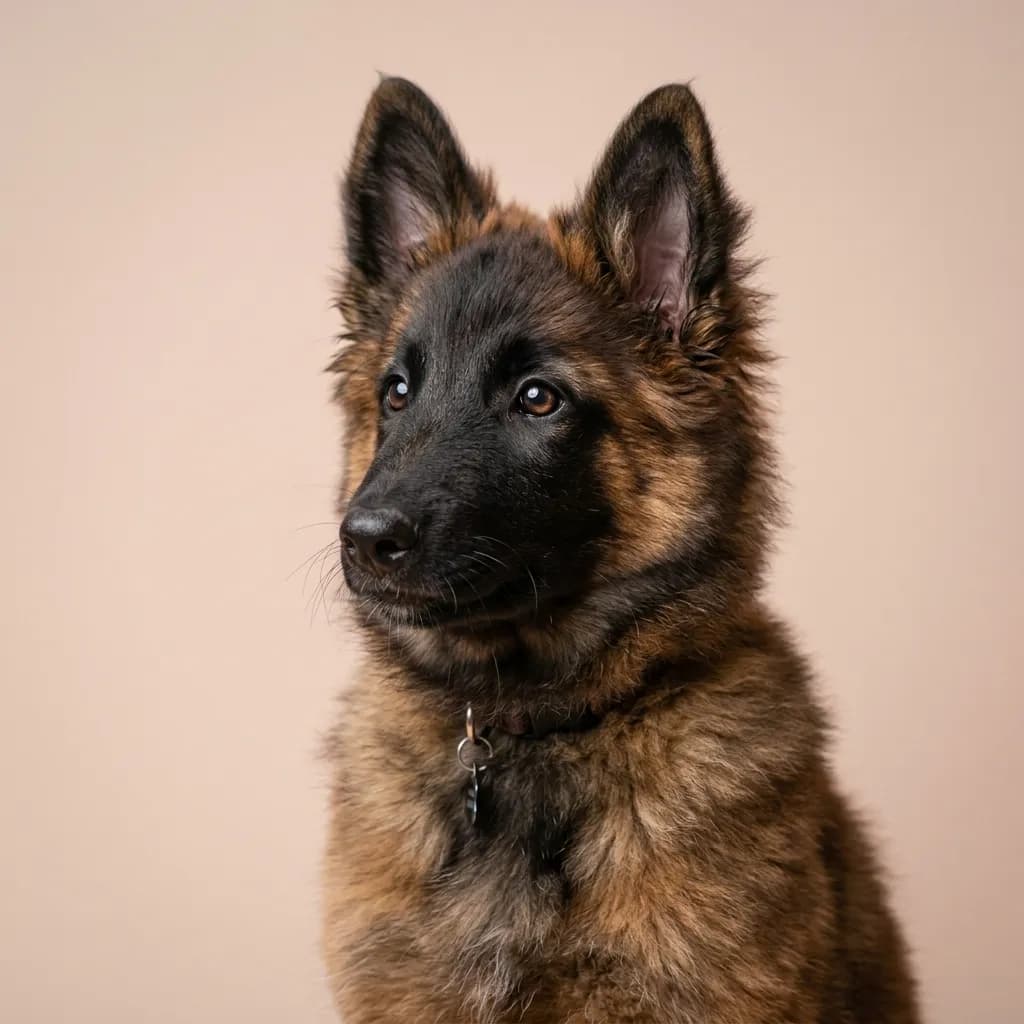
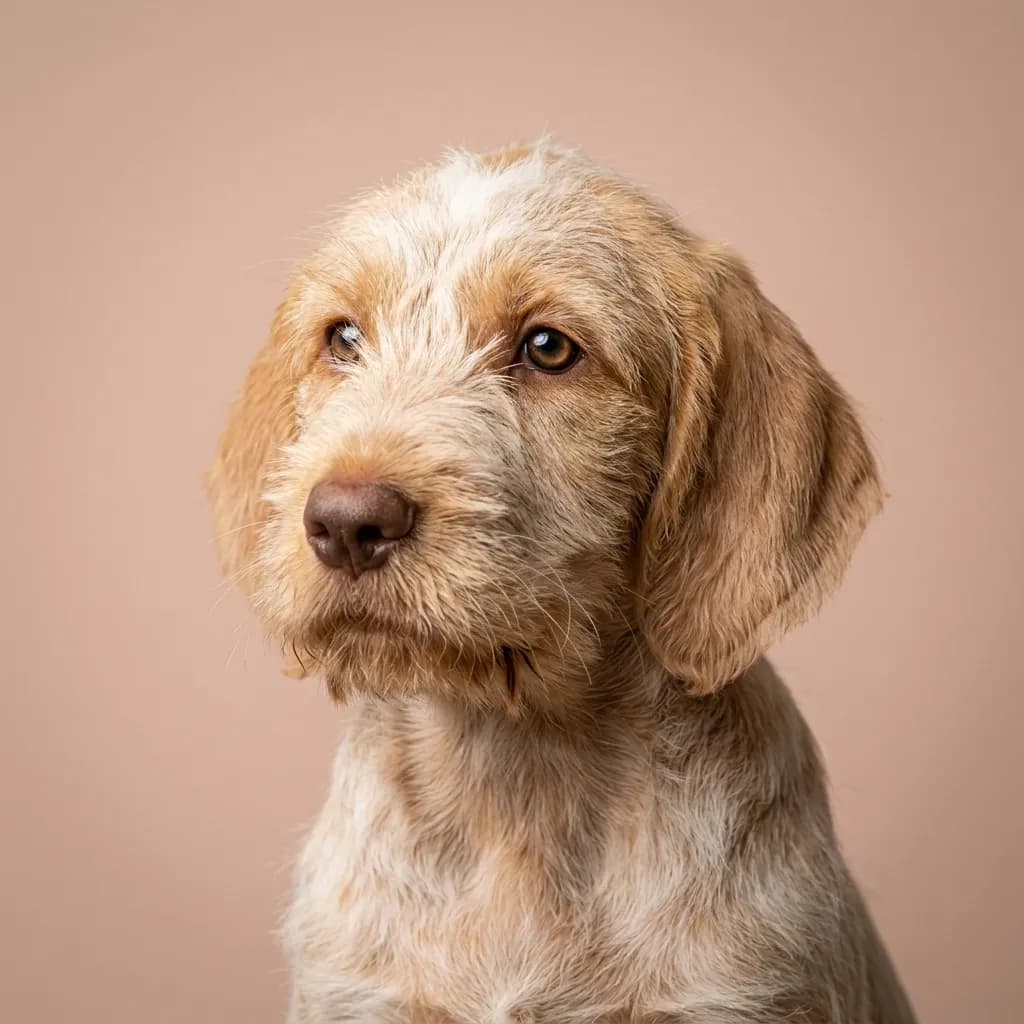
You don’t see many people weighing a Belgian Tervuren against a Spinone Italiano. but maybe you should. On paper, they’re both medium-to-large, active dogs from Europe with moderate shedding and a lifespan hovering around a decade. But bring one home and you’ll quickly realize they’re built for entirely different lives. The Tervuren is all focus and fire. This dog doesn’t just want to work, it needs to. Originally bred to guard flocks in Belgium, it thrives on mental challenges and physical output. You’ll need dog sports, advanced training, or serious daily hikes just to keep it balanced. It’s deeply loyal but not always quick to warm up to strangers or young kids. If you’re a first-time owner or live in a city apartment, this isn’t your dog. It’s too smart and too intense for half-hearted commitment. The Spinone, on the other hand, is the gentle giant who’d rather nap by your feet than bolt after a squirrel. Yes, it was bred for hours of hunting in the Italian hills, but today it’s more likely to lumber after a ball with enthusiasm than precision. It’s deeply affectionate, patient with children, and far more adaptable to a slower pace. But don’t mistake calmness for laziness. this dog still needs space and time outdoors. Here’s the truth beyond the data: the Tervuren will change how you live. You’ll structure your life around its needs. The Spinone will fit into yours. Pick the Tervuren if you want a partner in purpose. Pick the Spinone if you want a soft, drooly face to greet you after a long day. They’re both wonderful. just wonderful in completely different ways.
Trait-by-trait
Higher bar = more of that trait. Shedding, barking, drooling, grooming flipped for readability.Where they diverge
Choose the Belgian Tervuren if…
- Active people
- Experienced owners
- Dog sports enthusiasts
- You value watchdog / protective — Belgian Tervuren scores noticeably higher.
Choose the Spinone Italiano if…
- Active hunting families
- Those wanting a gentle, patient breed
- Families with children
- You value affectionate w/ family — Spinone Italiano scores higher here.