Belgian Tervuren vs Vizsla
Side-by-side comparison across all 14 AKC trait ratings, with a clear verdict on which breed fits which kind of household.

Not sure which breed fits your life?
Answer five questions about your home, your schedule, and your tolerance for shedding. We’ll match you to your top three breeds from over 200.
Belgian Tervuren vs Vizsla
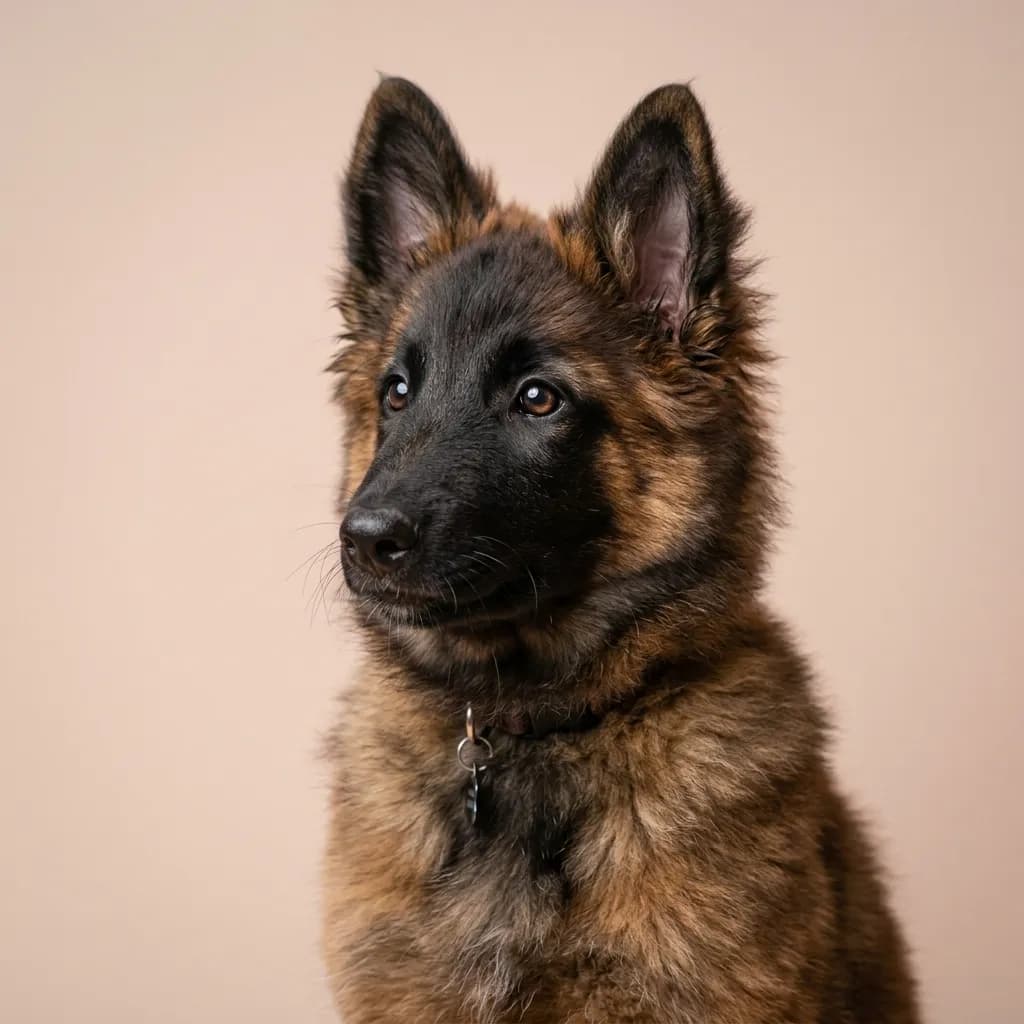
People compare Belgian Tervurens and Vizslas because they’re both lean, athletic, golden-coated dogs that thrive on activity and connection. On the surface, they look like distant cousins. sleek, expressive, always ready to move. But living with one versus the other? That’s where the paths split. The Tervuren is a thinker, bred to work independently in pastures, watching for threats and making decisions. That means they’re intensely intelligent and trainable, yes, but also more reserved, even aloof with strangers. They bond deeply with their person and can be wary of kids. not out of aggression, but caution. You’ll need to plan their days around mental challenges and physical work. Without it, they’ll rewire your garden or bark at passing shadows just to fill the silence. They’re not built for solo apartment life or first-time owners who don’t know how to lead. The Vizsla, by contrast, is pure emotional velcro. Bred to work in tandem with hunters, they live to be close. pressed against your leg, joining your bike ride, sleeping in your bedroom. They’re more adaptable, easier with kids, and just as smart but with a softer, more eager-to-please demeanor. But don’t be fooled by their short coat. this dog feels the cold and loneliness deeply. Leave them alone too long and they’ll spiral into anxiety, not mischief. Here’s the real difference beyond the numbers: the Tervuren respects you as a handler, the Vizsla loves you like a partner. If you want a dog that’s always working with you, sharing silent glances during hikes or agility runs, go Vizsla. If you want a vigilant, focused companion who’ll earn their keep through tasks and discipline, the Tervuren’s your match. Both need movement, but the Vizsla needs touch just as much.
Trait-by-trait
Higher bar = more of that trait. Shedding, barking, drooling, grooming flipped for readability.Where they diverge
Choose the Belgian Tervuren if…
- Active people
- Experienced owners
- Dog sports enthusiasts
- You value watchdog / protective — Belgian Tervuren scores noticeably higher.
Choose the Vizsla if…
- Active families
- Runners and cyclists
- Hunters
- You value affectionate w/ family — Vizsla scores higher here.