Berger Picard vs Icelandic Sheepdog
Side-by-side comparison across all 14 AKC trait ratings, with a clear verdict on which breed fits which kind of household.
Not sure which breed fits your life?
Answer five questions about your home, your schedule, and your tolerance for shedding. We’ll match you to your top three breeds from over 200.
Berger Picard vs Icelandic Sheepdog
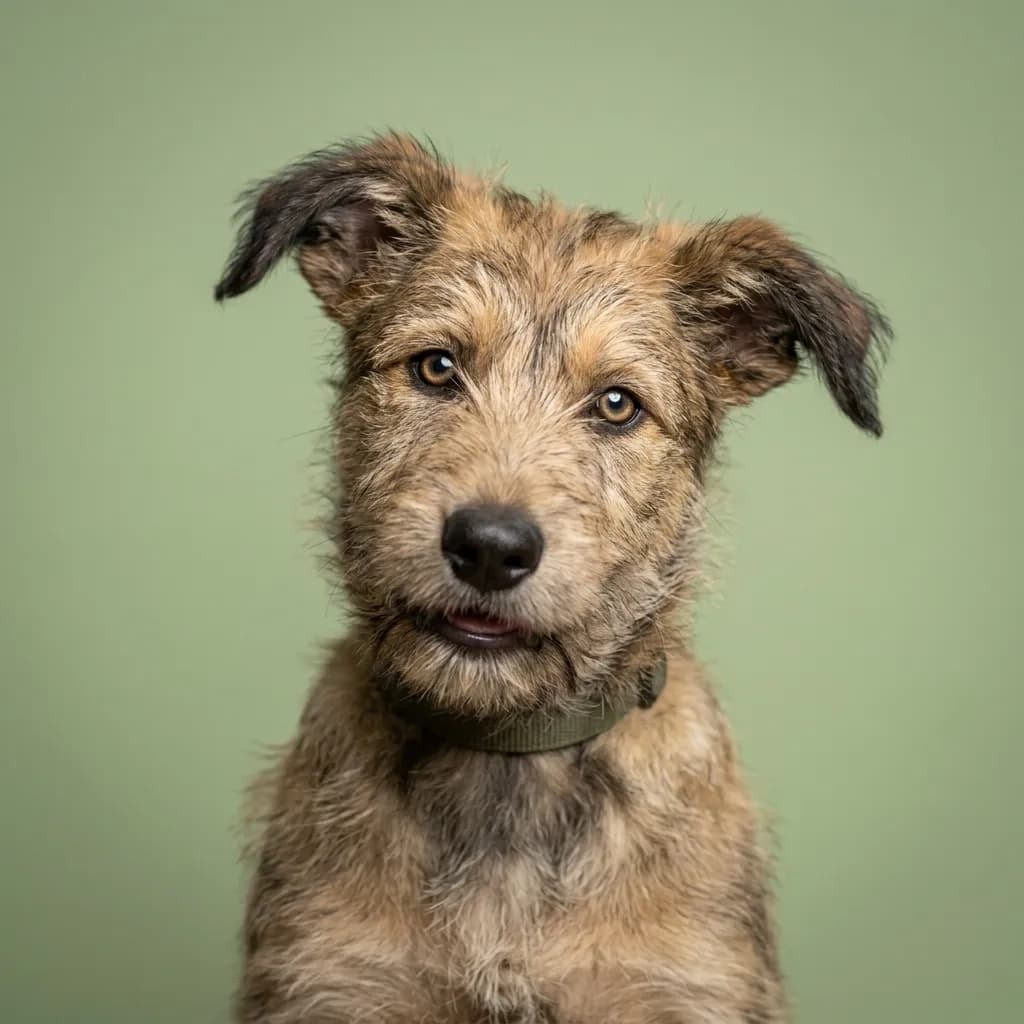
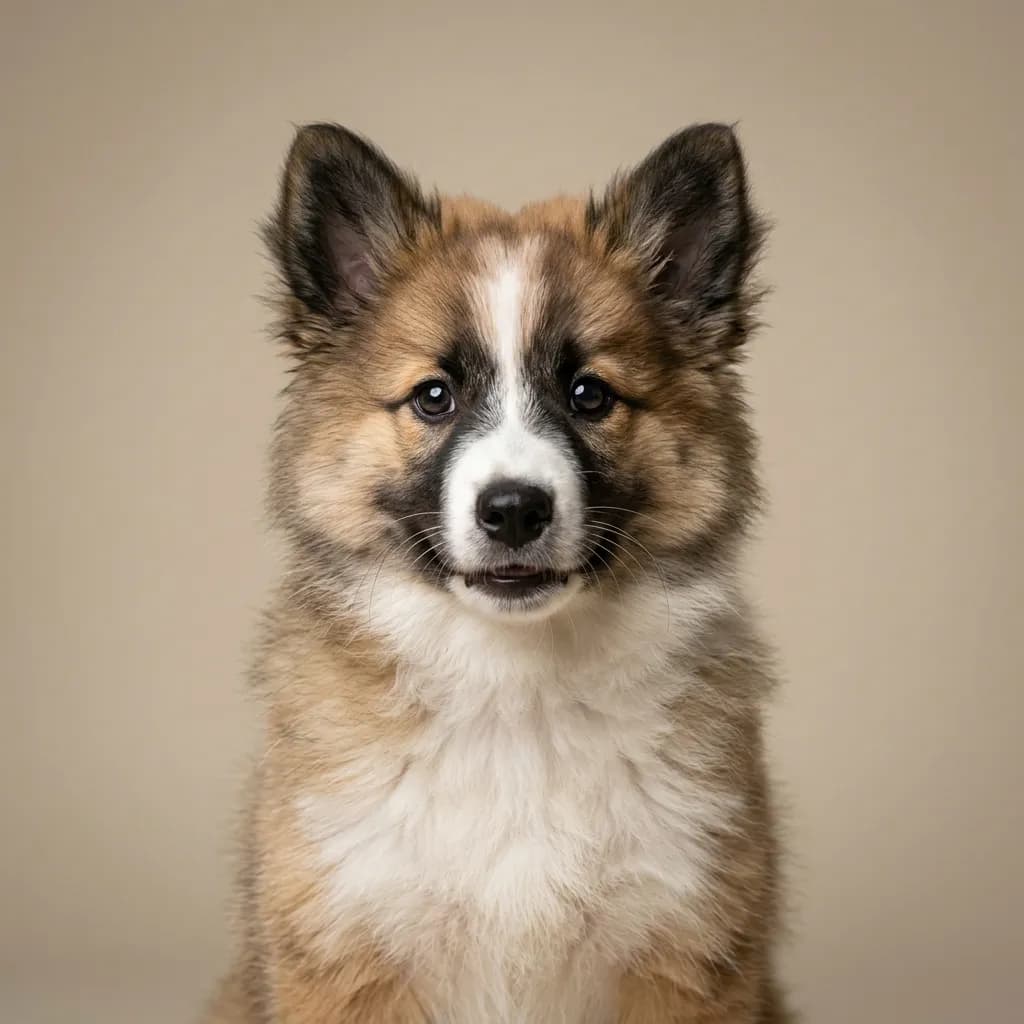
People compare the Berger Picard and Icelandic Sheepdog because they’re both herding breeds with scruffy charm and energy to burn, but they’re worlds apart in how they live that energy. Think of the Picard as your lean, weathered farmhand. wiry, observant, deeply loyal to its people but not quick to warm to strangers. It’s a dog that thrives on purpose, built for big acres and experienced hands who can match its intensity. At 50 to 70 pounds, it’s no small player, needing space, structure, and mental challenges that match its 4/5 energy and sharp mind. It’s not the loudest barker, but it notices everything and will work all day if you let it. Now picture the Icelandic Sheepdog. compact, upbeat, and built for connection. At 25 to 30 pounds, it fits more easily into active family life, especially around kids, where its 5/5 affection and kid-friendly nature shine. It’s the breed that greets the school bus, barks at squirrels with glee (4/5 barking), and curls up like a fuzzy pillow afterward. It adapts better to varied living situations, as long as it gets its daily run in a cold-weather-friendly coat. Here’s the real difference: the Picard demands a job and a rhythm. it’s not for first-timers or couch potatoes. The Icelandic Sheepdog, while still high-energy, is more forgiving, more eager to please, and genuinely joyful in everyday chaos. If you’re drawn to rustic authenticity and have the time to invest, the Picard is a rare gem. But if you want a resilient, affectionate companion who thrives on family noise and stays game in unpredictable moments, the Icelandic Sheepdog just might steal your heart. and your lap.
Trait-by-trait
Higher bar = more of that trait. Shedding, barking, drooling, grooming flipped for readability.Where they diverge
Choose the Berger Picard if…
- Active people
- Experienced owners
- Families
Choose the Icelandic Sheepdog if…
- Active families
- Cold climates
- Families with children
- You value affectionate w/ family — Icelandic Sheepdog scores higher here.